
What Is The Difference Between MPPT Solar Controller And Inverter With Built-in MPPT?
2024-12-10
The main difference between an MPPT (Maximum Power Point Tracking) solar controller and an inverter with a built-in MPPT lies in their roles and integration in a solar power system
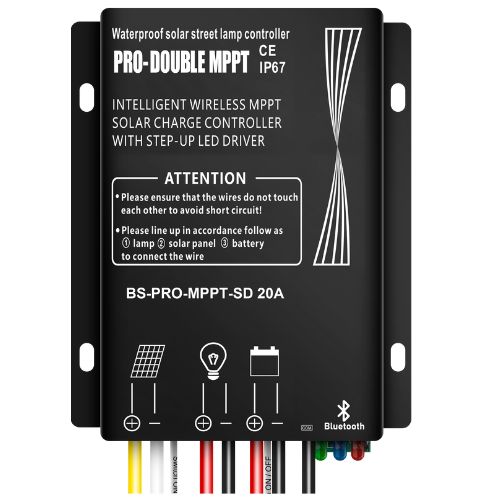
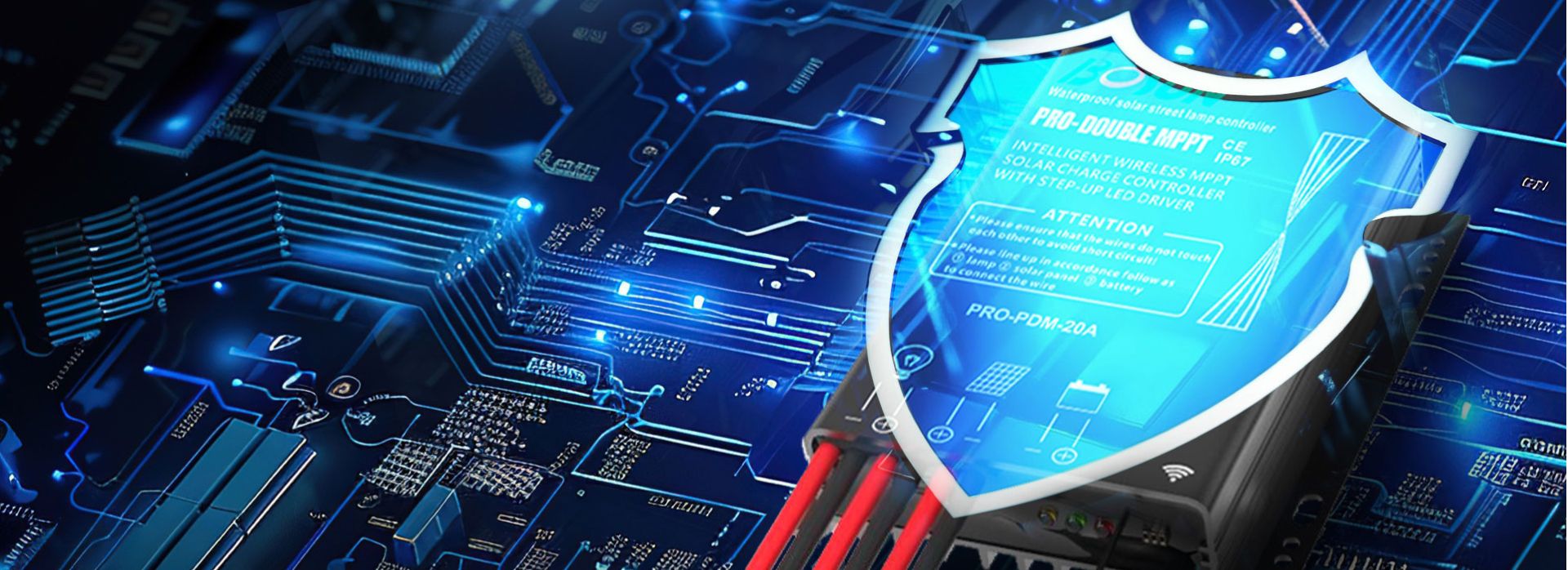
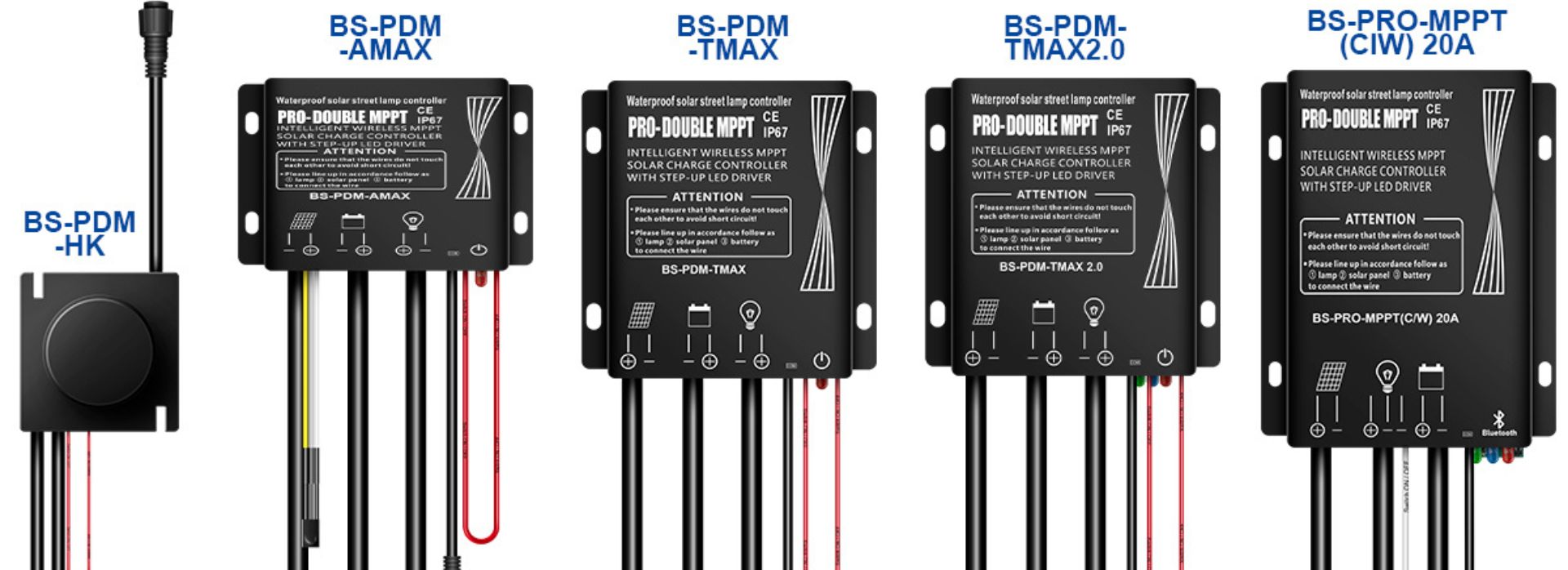
MPPT Solar Controller:
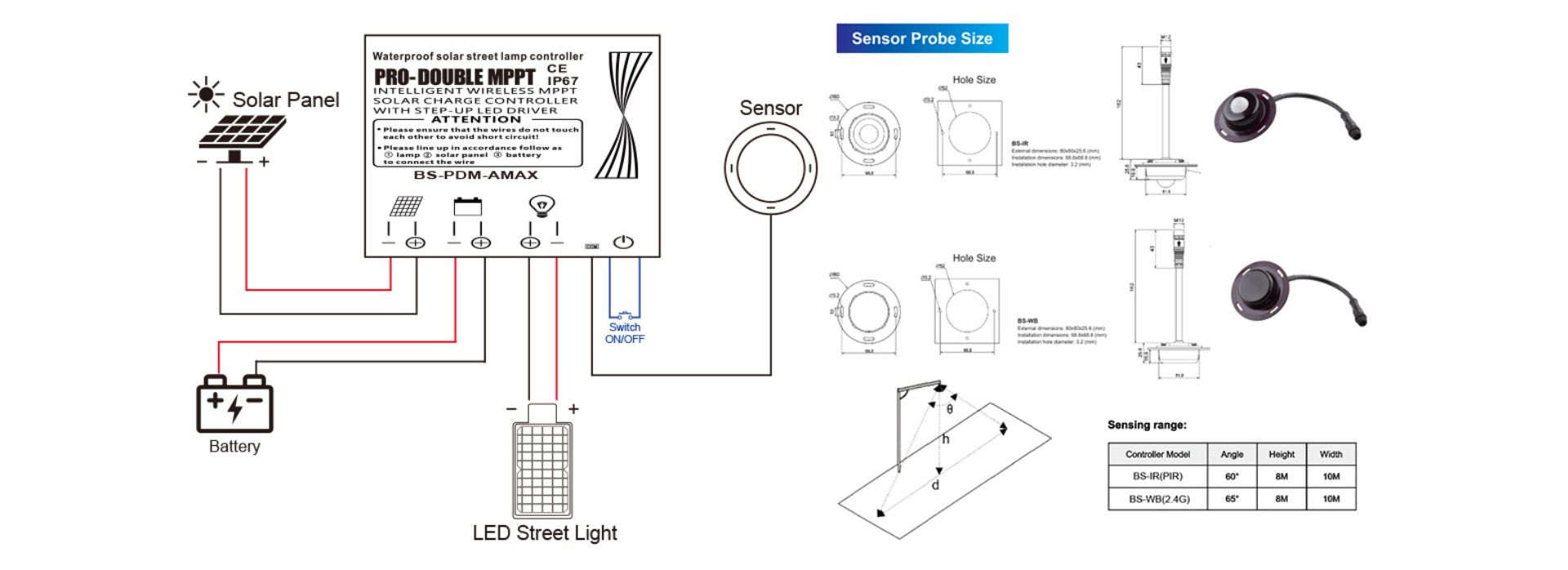
An MPPT solar controller is a standalone device that manages the power coming from solar panels. Its primary function is to optimize the power output by adjusting the electrical operating point of the modules or arrays. It ensures that the solar panels are operating at their most efficient voltage and current to maximize energy harvest and charge the batteries effectively. and contributes to the overall efficiency and longevity of the solar power system.
MPPT stands for Maximum Power Point Tracking. An MPPT solar controller is a type of charge controller used in photovoltaic (PV) systems to maximize the energy harvest from solar panels. It ensures that the solar panels operate at their optimum power output, thus ensuring that the system is as efficient as possible.
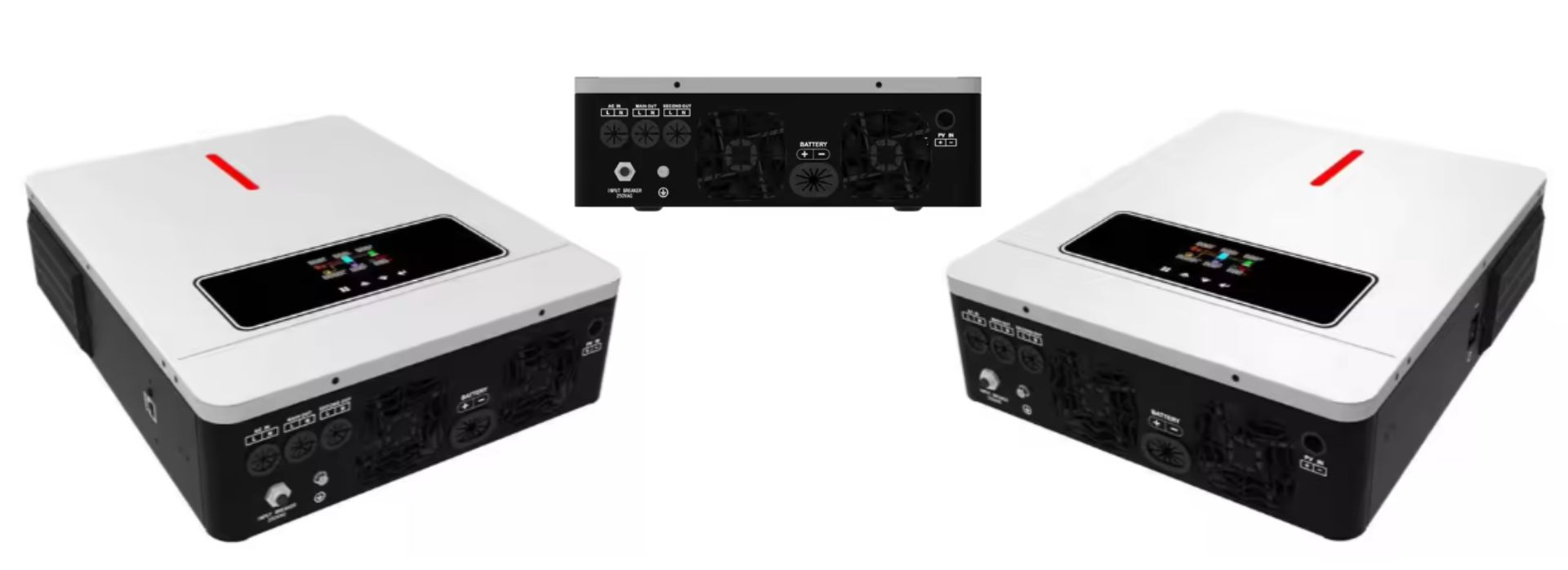
Inverter with Built-in MPPT:
An inverter with a built-in MPPT integrates the MPPT functionality directly into the inverter itself. This setup converts the direct current (DC) from solar panels into alternating current (AC) for use in household appliances or feeding into the grid. Having the MPPT built into the inverter simplifies the installation process by reducing the number of separate components needed, potentially increasing reliability and reducing the chances of connection failures2.
In summary, while both systems aim to maximize energy efficiency from solar panels, an MPPT solar controller focuses solely on optimizing solar panel output, whereas an inverter with built-in MPPT combines this optimization with the conversion of DC to AC power.
In summary, while both systems aim to maximize energy efficiency from solar panels, an MPPT solar controller focuses solely on optimizing solar panel output, whereas an inverter with built-in MPPT combines this optimization with the conversion of DC to AC power.
What are the advantages of using a stand-alone MPPT solar controller compared to a inverter with built-in MPPT?
Flexibility and Compatibility:
A stand-alone MPPT solar controller can be used with a variety of inverters, allowing for more flexibility in system design. This means you can choose components that best fit specific needs or brands you prefer.
Higher Efficiency and Performance:
Stand-alone MPPT controllers often provide higher efficiency, especially in systems where battery charging is a priority. They are better suited for optimizing power output under varying weather conditions and can handle different types of solar panels more effectively.
Scalability:
Systems using separate MPPT controllers can be more easily scaled or upgraded. You can add more panels or upgrade the controller without needing to replace the entire inverter unit.
Improved Reliability:
Stand-alone controllers are typically more robust and can offer improved reliability, as they are dedicated devices designed specifically for power tracking and battery management, which might result in better longevity and fewer maintenance issues.
Enhanced Battery Management:
These controllers provide better battery management options, as they are specifically designed to maximize battery charging efficiency and extend battery life through more precise control over charging parameters.
What are the key differences in efficiency between a stand-alone MPPT solar controller and an inverter with built-in MPPT?
Optimized Power Conversion:
A stand-alone MPPT solar controller is specifically designed to optimize power conversion from solar panels to batteries. It focuses on extracting the maximum possible power from the solar panels under varying conditions such as changes in sunlight intensity, temperature, and shading. This dedicated focus often results in higher efficiency in power conversion.
System Flexibility:
With a stand-alone MPPT, you have the flexibility to choose an inverter separately, allowing for customization based on specific system needs and potentially selecting higher efficiency inverters. This can lead to overall higher system efficiency if both components are optimized for their respective tasks.
Battery Charging Efficiency:
Stand-alone MPPT controllers are generally better at managing the charging of batteries, offering more precise control over charging parameters, which can lead to improved battery life and efficiency.
Component Integration:
In an inverter with built-in MPPT, the integration of components can sometimes lead to compromises in individual component efficiency to achieve overall system compactness and convenience. However, such systems can be more efficient for grid-tied applications where battery charging is not a priority.
Performance under Variable Conditions:
Stand-alone MPPT controllers tend to perform better under variable environ
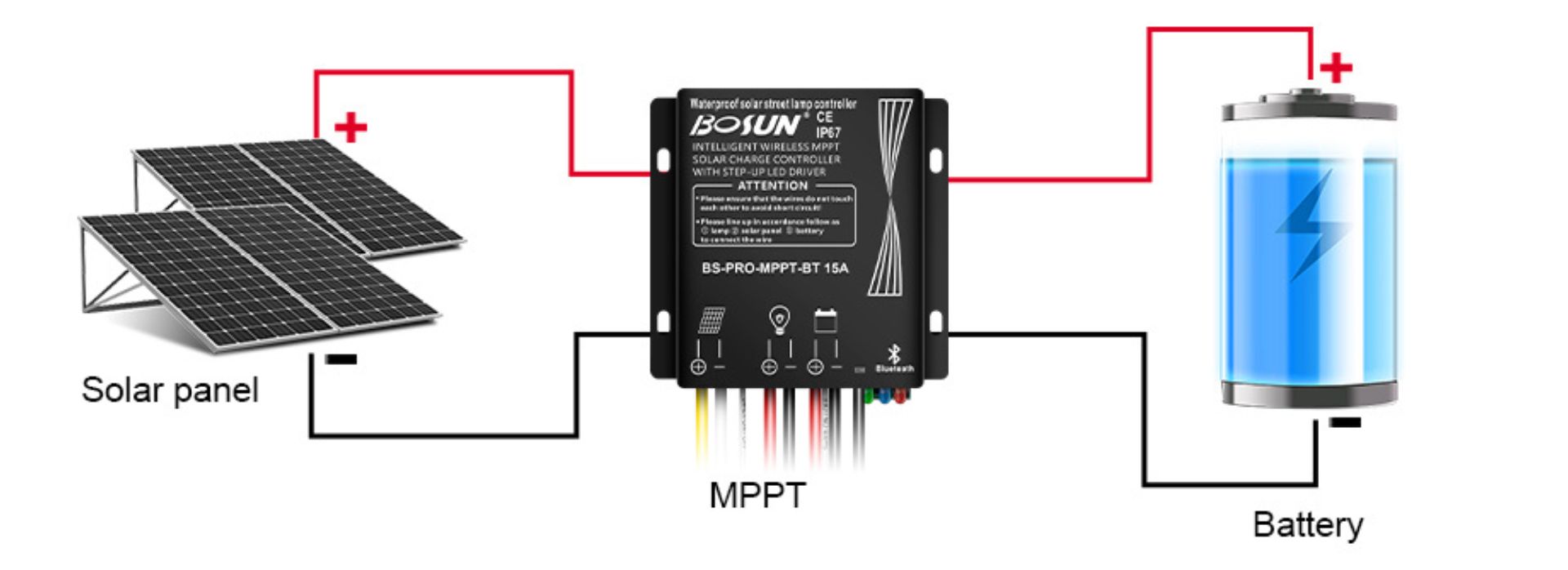
Overall, while inverters with built-in MPPT simplify installation and can be ideal for grid-tied systems, stand-alone MPPT solar controllers offer superior flexibility, efficiency, and scalability, particularly beneficial for off-grid and hybrid systems where battery management is crucial.
 Smart Street Light Deployment for Transportation Infrastructure in Indonesia
  What Is a NEMA Controller?
  Best Solar Street Light Manufacturer? Start With These Questions
  Full-Scope Solar Street Lighting Packages & Custom Solutions for Municipalities & Developers
 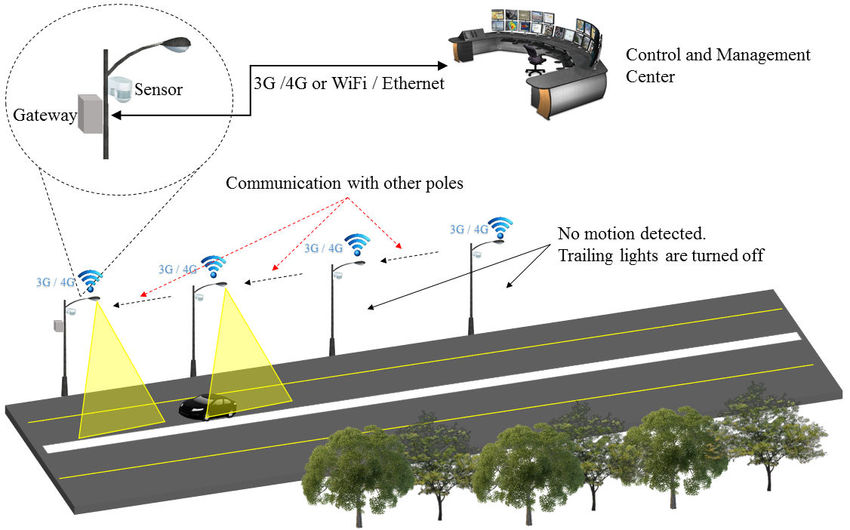 Cloud-Synergy Smart Street Light Surveillance System for Smart City Development
  How Do Solar Lights Work?
  Clarification about Solar Wind Turbine Street Light: Preferred Choice for Remote Area Lighting & Wind Power System
  The Most Intelligible Instruction about Intelligent Solar Street Light & Engineering Project Showcase
 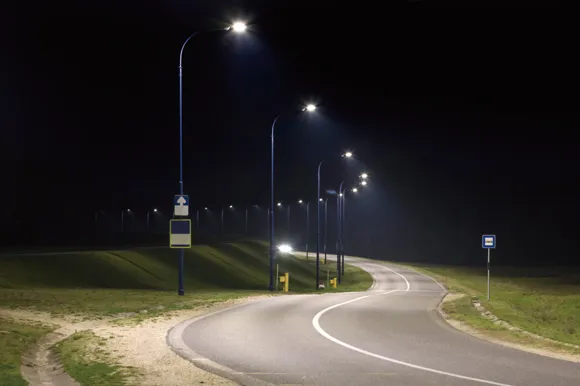 Integrated solar street lights promote urban lighting progress
 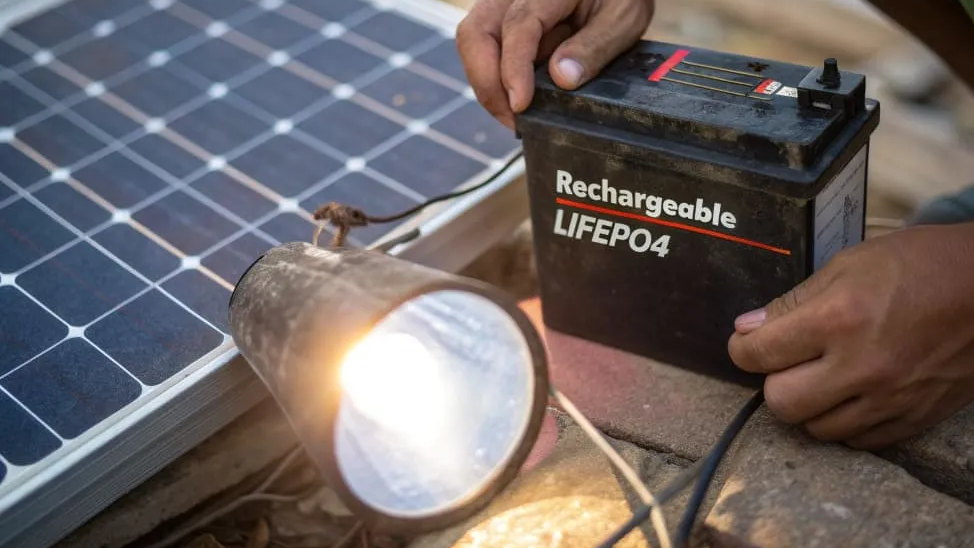 What is the Life Expectancy of the Solar Panel, LED Fixture, and LiFePO4 Batteries?
 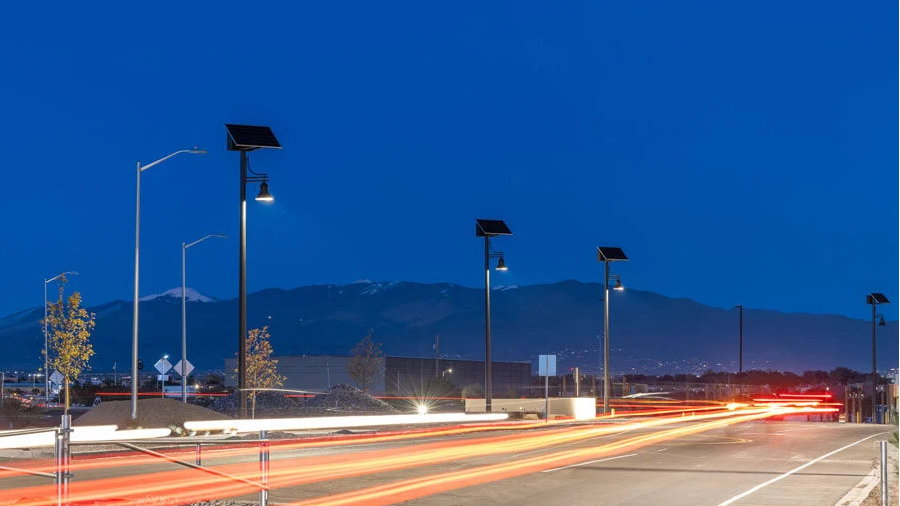 Feasibility of LED Photovoltaic Lighting System in Municipal Construction
  Roadway Lighting Solutions | JH Series for Municipal Projects
 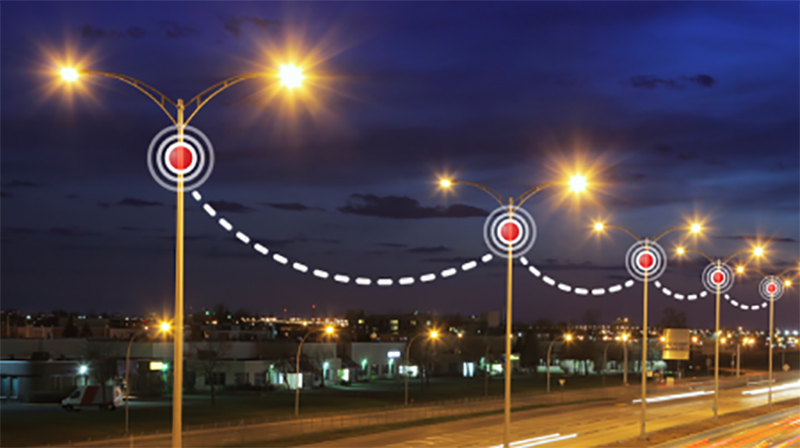 How to Design & Realize LoRa-MESH IoT Solar Street Light City Project?
  How to Design the Perfect Well-Considered Smart Light Pole City Road Lighting Solution?
  Design and Application of All-in-One Solar Street Light with MPPT Charge Controller
  The Ultimate Guide to City Street Light Poles and Smart LED Lighting
 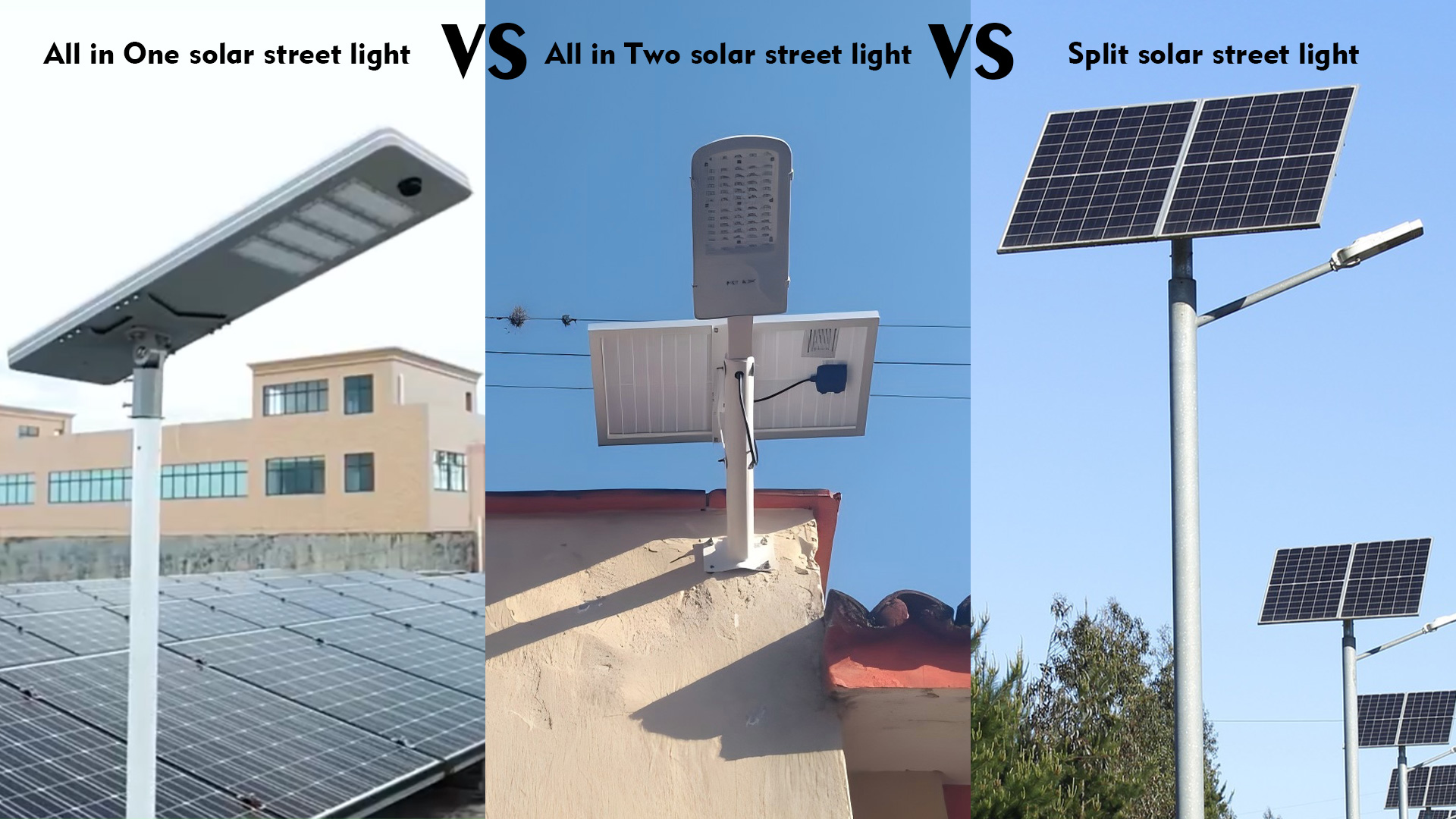 Understanding the Differences Between All-in-One, All-in-Two, and Split Solar LED Street Lights
 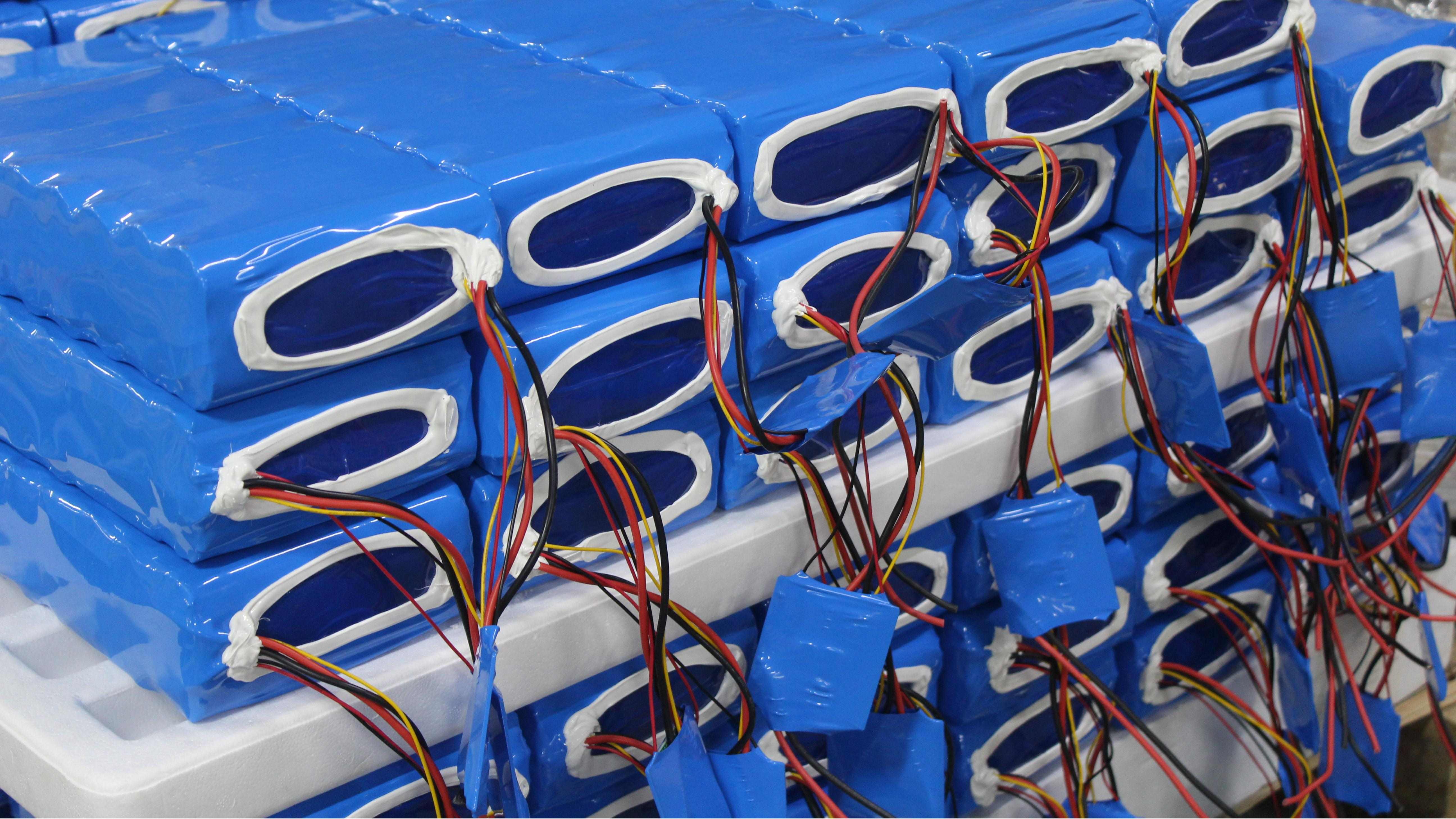 Applications and Fundamentals of Lithium Batteries in Solar Street Lights
  Smart Pole Accessory Modules for Middle East Smart Cities
  Hybrid Solar Street Lighting: Renewable Energy Pros and Cons of Solar, Wind, and the Future