
How Do Solar Lights Work?
How Do Solar Lights Work?
Solar lights convert sunlight into usable electricity and then use that electricity to power lighting fixtures—typically LEDs — at night. Here’s a simplified breakdown of the operation:
1. Sunlight Conversion
Solar lights are equipped with a solar panel composed of photovoltaic (PV) cells. When sunlight (photons) strikes these semiconductor cells, a phenomenon called the photovoltaic effect occurs: electrons are freed from their atoms and flow as electrical current.
2. Energy Storage
The current generated by the panel is stored in a rechargeable battery. This battery stores the converted solar energy during the day, so it can be used later when there is no sunlight.
3. Control & Switching
Solar lights include a controller and sensor mechanism. A light sensor (photoresistor or lux sensor) detects when ambient light falls below a threshold (dusk), and signals the controller to switch the LED on. At dawn or when light levels rise, the light is turned off and recharges.
The controller also monitors battery voltage, prevents over-discharge or overcharge, and ensures safe and efficient operation.
4. Illumination
Once the battery is charged and light sensor indicates night, the LED luminaire is powered and delivers illumination. The runtime, brightness, and performance depend on many factors: the size and efficiency of solar panel, battery capacity, LED efficiency, weather/location, and system design.
5. Cycle Repeats
Each day the solar panel gathers energy; each night the stored energy powers the light. With proper design a solar lighting system can provide reliable, maintenance-minimal lighting with zero (or minimal) grid electricity usage.
Key Factors Affecting Performance
-
Sunlight Exposure: Panels must receive enough direct sun hours for full charge. Shading or cloudy days reduce performance.
-
Battery Quality & Condition: Good batteries (e.g., LiFePO₄) with high cycle life and depth of discharge maintain performance.
-
Controller Efficiency: Use of MPPT or advanced controllers improves harvesting and battery use.
-
LED Efficiency & Optics: High-efficacy LEDs and proper optics ensure useful light output while minimizing energy consumption.
-
Weather & Environmental Conditions: Temperature extremes, dust or soiling on panels, and bad mounting all reduce system effectiveness.

How Are Solar Lights Made?
Building a high-quality solar light involves a number of disciplines: solar engineering, electrical design, battery chemistry, thermal and mechanical engineering, and optical design. Here’s a broad overview of the manufacturing process:
1. Solar Panel Manufacture
-
Silicon wafers are processed into solar cells, assembled into modules with encapsulants, glass cover, frame and junction box.
-
Quality materials, durable frames and weatherproofing ensure the panel will withstand outdoor conditions for many years.
2. LED & Lighting Module Assembly
-
The lighting module includes high-efficacy LED chips, driver electronics (constant current or programmable), thermal management (heat sink, housing), and optics (lenses/reflectors) to control beam spread and light quality.
-
For roadway or street lighting, optical distribution types (Type II / III / IV) are chosen depending on the installation (road width, mounting height, spacing).
3. Battery & Storage System
-
Modern solar lights use LiFePO₄ or other advanced lithium battery chemistries due to long cycle life, safety, and deep discharge capabilities.
-
Battery is packaged with a Battery Management System (BMS) or protective circuit to monitor charge/discharge, temperature, and safety.
4. Controller & Electronics Integration
-
The controller board integrates charge regulation (often MPPT for maximum power point tracking), battery protection, sensor interface (light detection, motion detection), and switching logic.
-
Some lights also include remote communication modules (IoT, LoRa, etc) for smart control.
5. Enclosure & Mechanical Construction
-
The housing is designed to protect internal components from weather (water, dust, UV), often rated IP65 or better. It must also provide thermal management for LEDs and battery.
-
Mounting hardware (poles, brackets) is designed for durability, wind resistance, and corrosion resistance.
6. Quality Testing & Calibration
-
Panels are tested for output under standard test conditions (STC), modules are weather-tested.
-
Battery cycles, controller logic, LED fixtures are tested for runtime, efficiency, thermal behavior, and safety.
-
Final system is often run in simulated dusk/dawn cycles to verify automatic switching and runtime performance.
7. Packaging & Logistics
-
Since solar lights are often installed remotely (roadways, highways, rural sites), logistics (packaging protection, pole transport, mounting kits) are optimized.
-
Installation instructions, safety certifications, and warranty documents are included.

Bringing It Together for BOSUN® Lighting
At BOSUN® Lighting (and sub-brand Gebosun®) we apply these principles at scale for professional integrated solar street lighting systems:
-
We utilize high-efficiency solar panels and LiFePO₄ batteries to deliver reliable energy storage.
-
We integrate advanced MPPT charge controllers and motion/light sensors for optimized operation.
-
Our product lines—such as the LED street lights, smart street lights and solar pole solutions—are designed for turnkey deployment in highways, roadways, smart cities and rural grid-free zones.
-
With IP65+ ratings, robust housings, and global project experience, BOSUN’s systems are engineered for harsh climates and long operational lifetimes.
-
We provide design support (for example with DIALux layouts), full project execution and after-sales support—making it a truly “one-stop” solar solution for customers around the world.
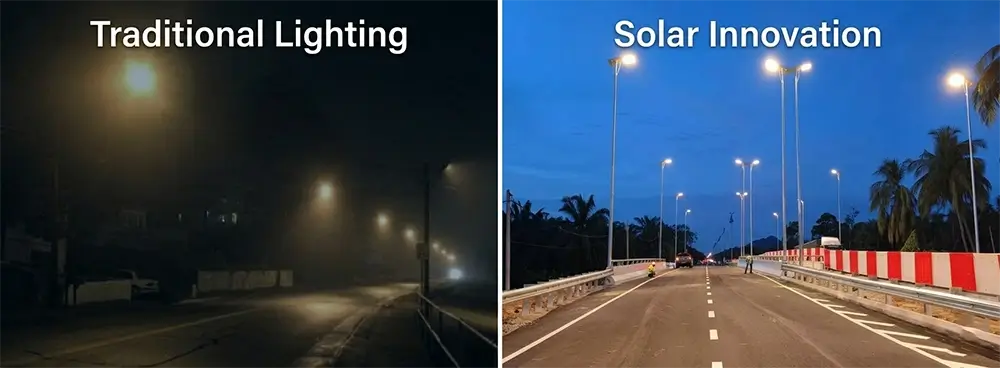 Smart Street Light Deployment for Transportation Infrastructure in Indonesia
  What Is a NEMA Controller?
  Best Solar Street Light Manufacturer? Start With These Questions
  Full-Scope Solar Street Lighting Packages & Custom Solutions for Municipalities & Developers
 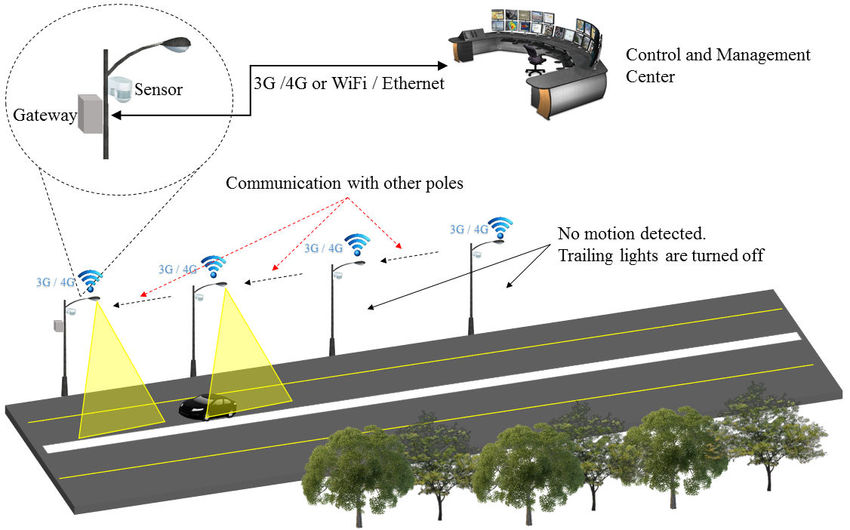 Cloud-Synergy Smart Street Light Surveillance System for Smart City Development
 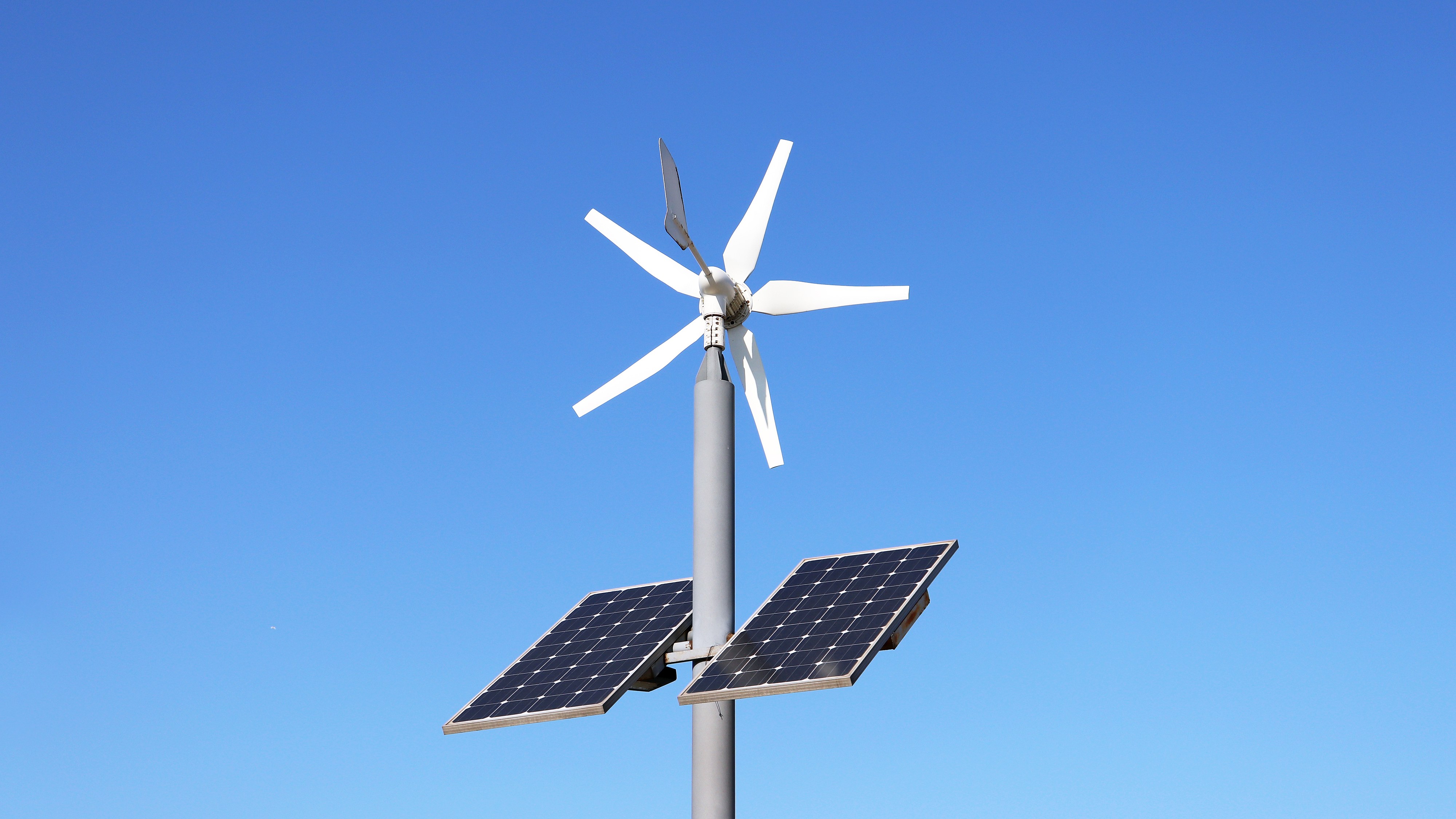 Clarification about Solar Wind Turbine Street Light: Preferred Choice for Remote Area Lighting & Wind Power System
 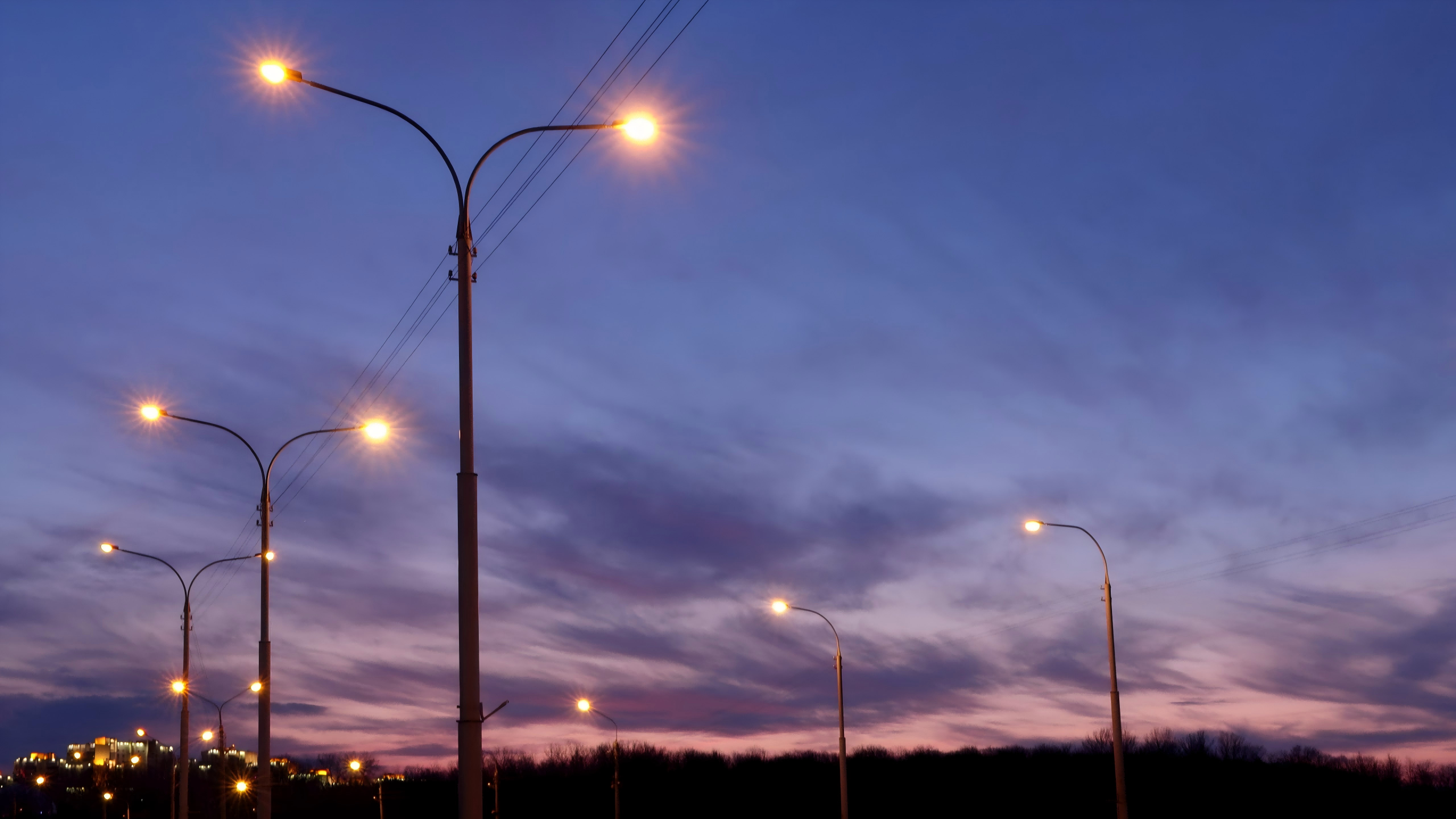 The Most Intelligible Instruction about Intelligent Solar Street Light & Engineering Project Showcase
 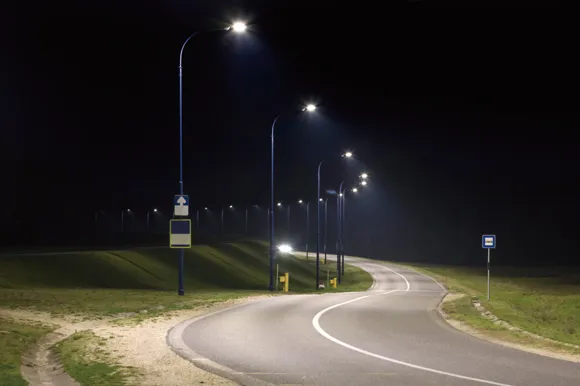 Integrated solar street lights promote urban lighting progress
 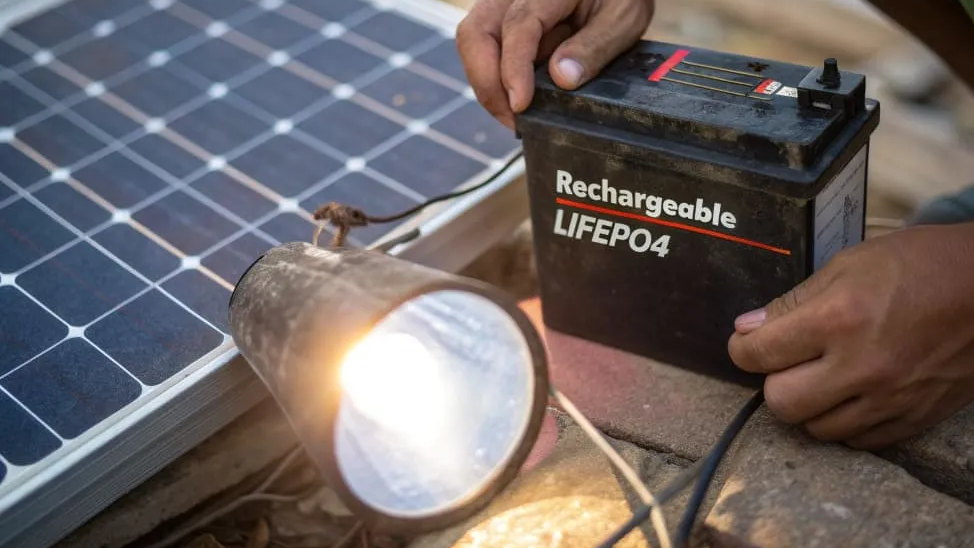 What is the Life Expectancy of the Solar Panel, LED Fixture, and LiFePO4 Batteries?
 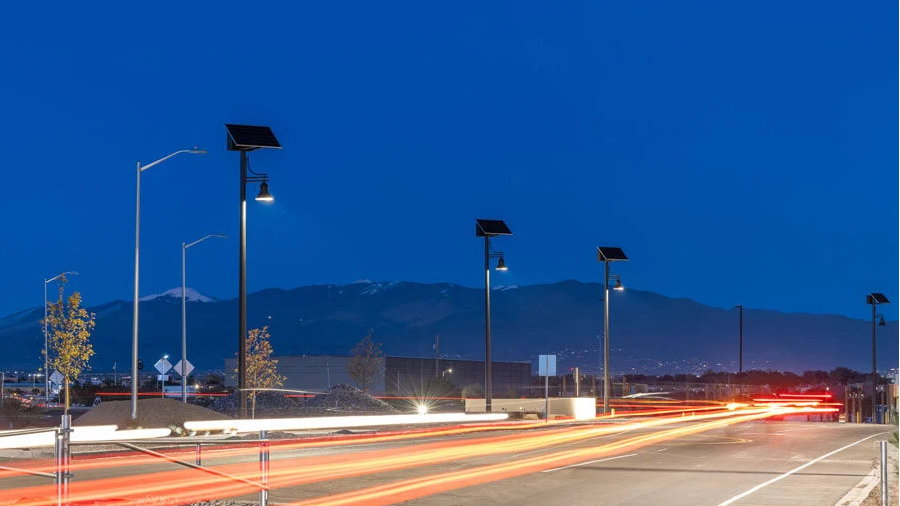 Feasibility of LED Photovoltaic Lighting System in Municipal Construction
  Roadway Lighting Solutions | JH Series for Municipal Projects
 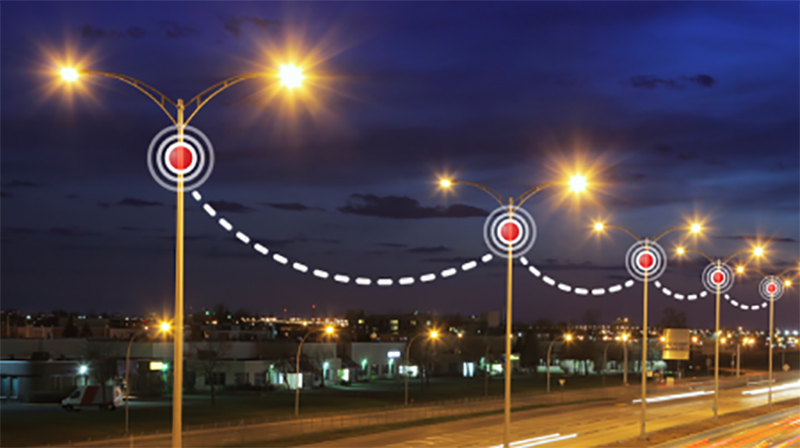 How to Design & Realize LoRa-MESH IoT Solar Street Light City Project?
  How to Design the Perfect Well-Considered Smart Light Pole City Road Lighting Solution?
  Design and Application of All-in-One Solar Street Light with MPPT Charge Controller
  The Ultimate Guide to City Street Light Poles and Smart LED Lighting
 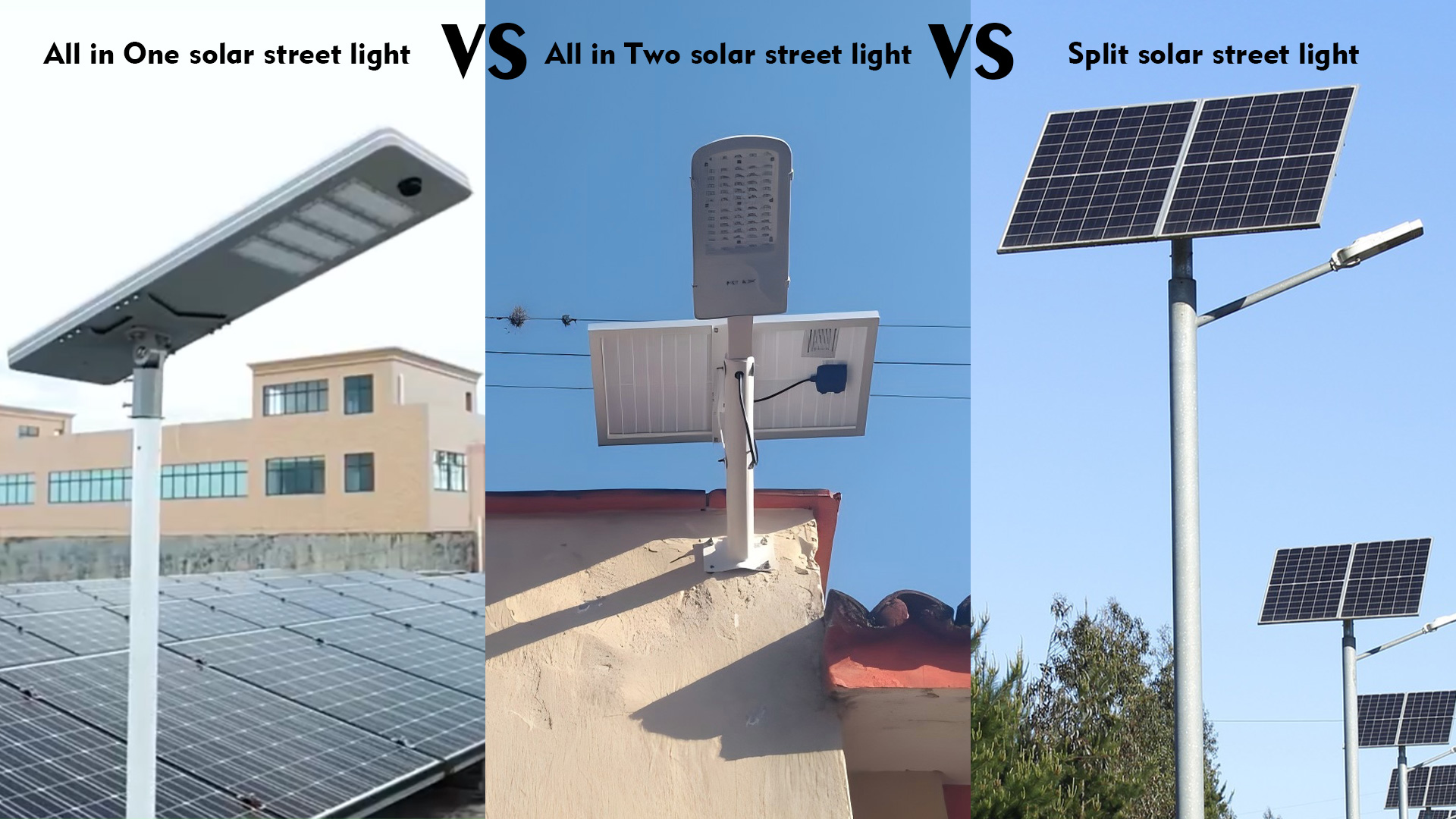 Understanding the Differences Between All-in-One, All-in-Two, and Split Solar LED Street Lights
 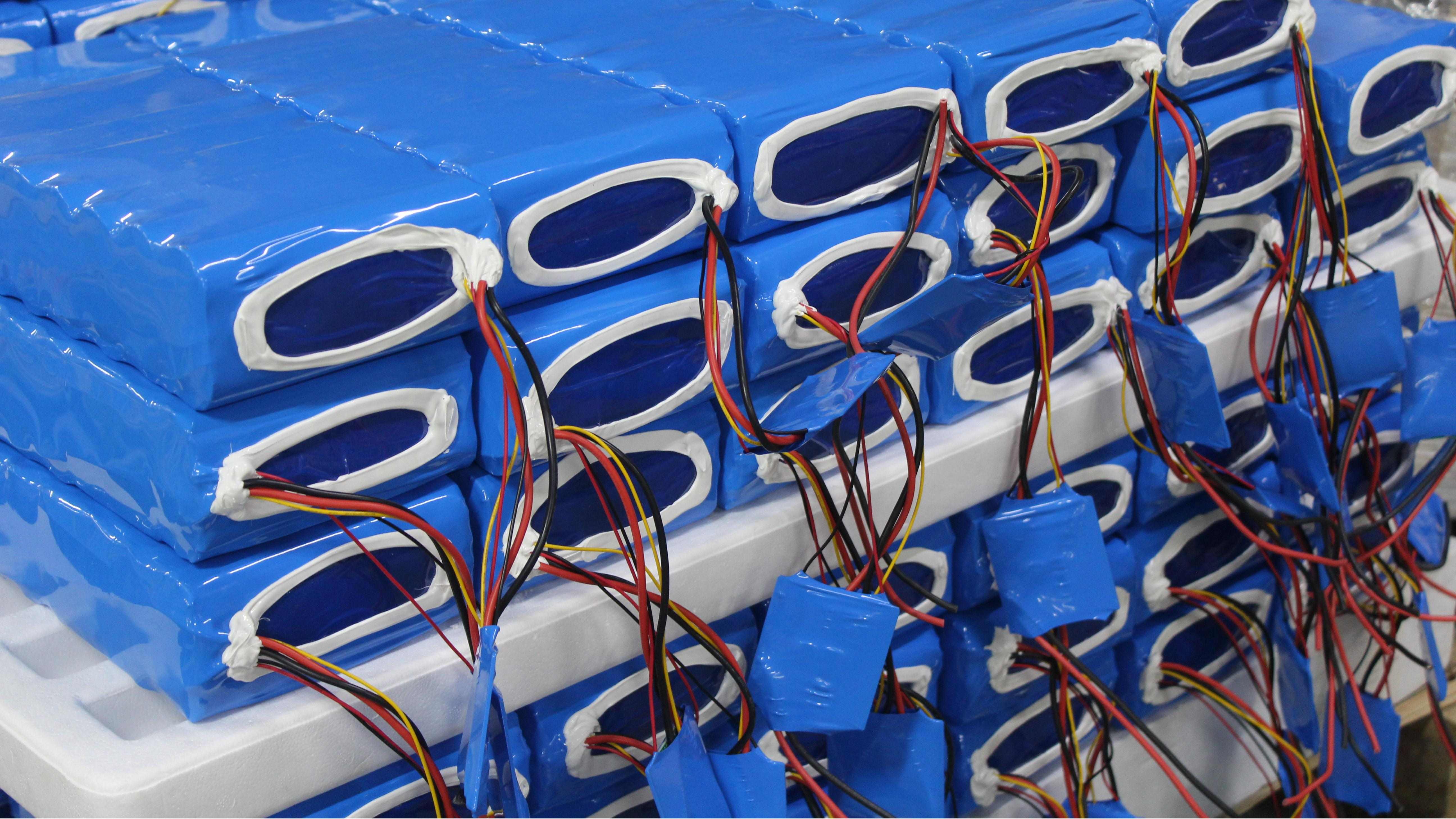 Applications and Fundamentals of Lithium Batteries in Solar Street Lights
  Smart Pole Accessory Modules for Middle East Smart Cities
  Hybrid Solar Street Lighting: Renewable Energy Pros and Cons of Solar, Wind, and the Future
  Solar Flood Lights Transforming Sports Facilities