
Best Solar Street Light Manufacturer? Start With These Questions
A good manufacturer should make the project easier, not more complicated
A solar street light is not just a fixture. It is a working system made up of a panel, battery, controller, LED light source, pole, and layout plan.
If one part is mismatched, the whole project feels it.
That is also why manufacturer evaluation should go beyond catalog pages. A reliable supplier should be able to explain how the system is matched to your road width, operating hours, weather conditions, and installation environment.
BOSUN’s public site is fairly clear on this point. Its project-oriented pages focus on system matching and engineering logic, not only on model lists. A good example is its road project article: Solar Street Light Factory: How to Choose a Reliable Manufacturer for Road & Infrastructure Projects
The “best” brand depends on what you need the project to do
There is no single best brand for every project.
A school campus does not have the same needs as a highway. A rural road does not have the same installation conditions as a commercial district. A coastal site will not behave like a dry inland site.
So the better question is this:
Which supplier gives you the clearest path from project requirement to system recommendation?
That usually means they can show you:
-
the right product type for the application
-
the charging and controller logic behind the system
-
the layout support needed for road projects
-
a clear procurement path for bulk orders
BOSUN’s site structure helps here because it separates product types instead of forcing one product into every use case.
Start with the product architecture
If your priority is easier installation and faster deployment, an All-in-One Solar Street Light is often the first place to look.
Integrated systems usually reduce field wiring and simplify site work. That makes them practical for municipal roads, residential streets, parks, and similar applications where speed and simplicity matter.
If your site is more complex, a Separated Solar Street Light may be the better choice.
Split systems give you more flexibility in solar panel placement and angle adjustment. That matters when the road geometry is more demanding, when sunlight conditions vary, or when the project needs a less integrated layout.
For many buyers, this is the point where the supplier starts to look either practical or generic. A useful manufacturer helps you choose between these paths instead of pushing the same answer every time.
Why the controller matters more than many buyers expect
Buyers often focus on lamp power first because it is easy to compare.
But in real projects, the controller often tells you more about long-term performance.
A well-explained controller page shows whether the supplier is thinking about charging stability, system protection, and real operating conditions. BOSUN publishes a dedicated page for its Pro-Double MPPT Solar Charge Controller, which gives buyers something specific to review instead of relying on general promises.
That matters because a solar street light that looks strong on paper can still disappoint in the field if the charging logic is weak or poorly matched.
Good layout work saves more money than many price negotiations
A lot of project waste does not come from product cost. It comes from poor layout decisions.
Wrong pole spacing, the wrong beam angle, or a layout that ignores site conditions can lead to weak performance, redesign, and rework.
That is why lighting design support is not just a bonus. It is part of risk control.
BOSUN offers a Free DIALux Design page for project applications, which is useful for buyers who want to review road layout logic before locking in procurement.
If your team is comparing proposals, this kind of support can make the difference between a quote that is cheap now and a project that stays manageable later.
Buying in bulk: focus on the quotation structure, not only the number
When buyers ask where to buy solar lights in bulk at reasonable rates, they usually mean one of two things.
Either they want a lower factory price, or they want fewer surprises after purchase.
In practice, the second one matters more.
A useful bulk quotation should be based on the project. At a minimum, it should reflect the road type, width, pole height, spacing target, operating hours, and local weather conditions. Without that, the price may be easy to send but hard to trust.
If you want a cleaner buying path inside the BOSUN site, these are the pages that make the most sense to review in sequence:
That progression feels more natural for a serious buyer because it moves from product type to technical logic to procurement context.
Why BOSUN is a practical shortlist candidate
A strong shortlist candidate usually shows three things clearly: who they are, what they sell, and how they support projects.
BOSUN’s About Us page covers the company side. Its All-in-One and Separated pages separate the product paths clearly. Its Free DIALux Design and road project pages support the engineering and procurement side.
That combination is useful because it mirrors how real B2B decisions are made.
Not in one click.
Not from one slogan.
But through a series of practical checks.
FAQ
How do I know whether a solar street light manufacturer is reliable?
Start with the basics. Ask whether they can provide a configuration-based recommendation, not just a model list. Then check whether they publish technical pages, project guidance, and clear product categories. A good starting point is this road project guide.
Which type is better for my project: all-in-one or split?
If the goal is simpler installation and faster deployment, start with All-in-One. If the project needs more flexibility in panel placement or site adaptation, review Separated Solar Street Lights.
Can BOSUN help with layout or project matching?
Yes. BOSUN’s Free DIALux Design page is the most direct place to review that support path.
Where can I check warranty information?
You can review the current details on the Warranty Policy page.
Final thought
The best solar street light manufacturer is not the one with the loudest marketing.
It is the one that helps you make fewer mistakes.
If you want to review BOSUN that way, start from the pages that answer real project questions:
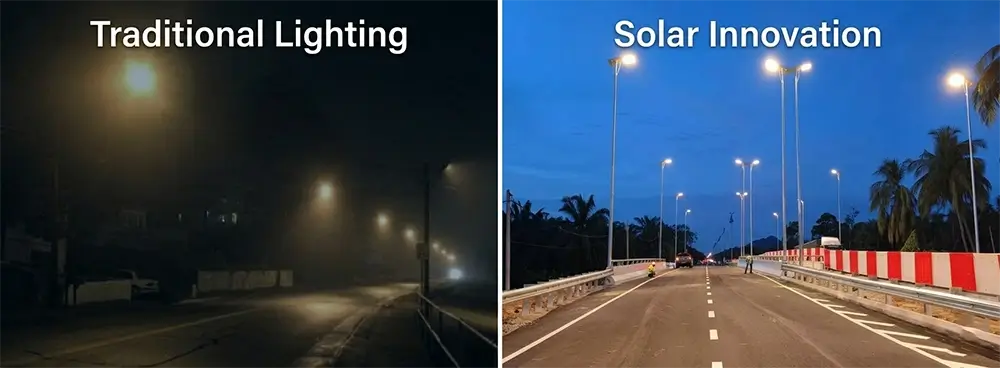 Smart Street Light Deployment for Transportation Infrastructure in Indonesia
 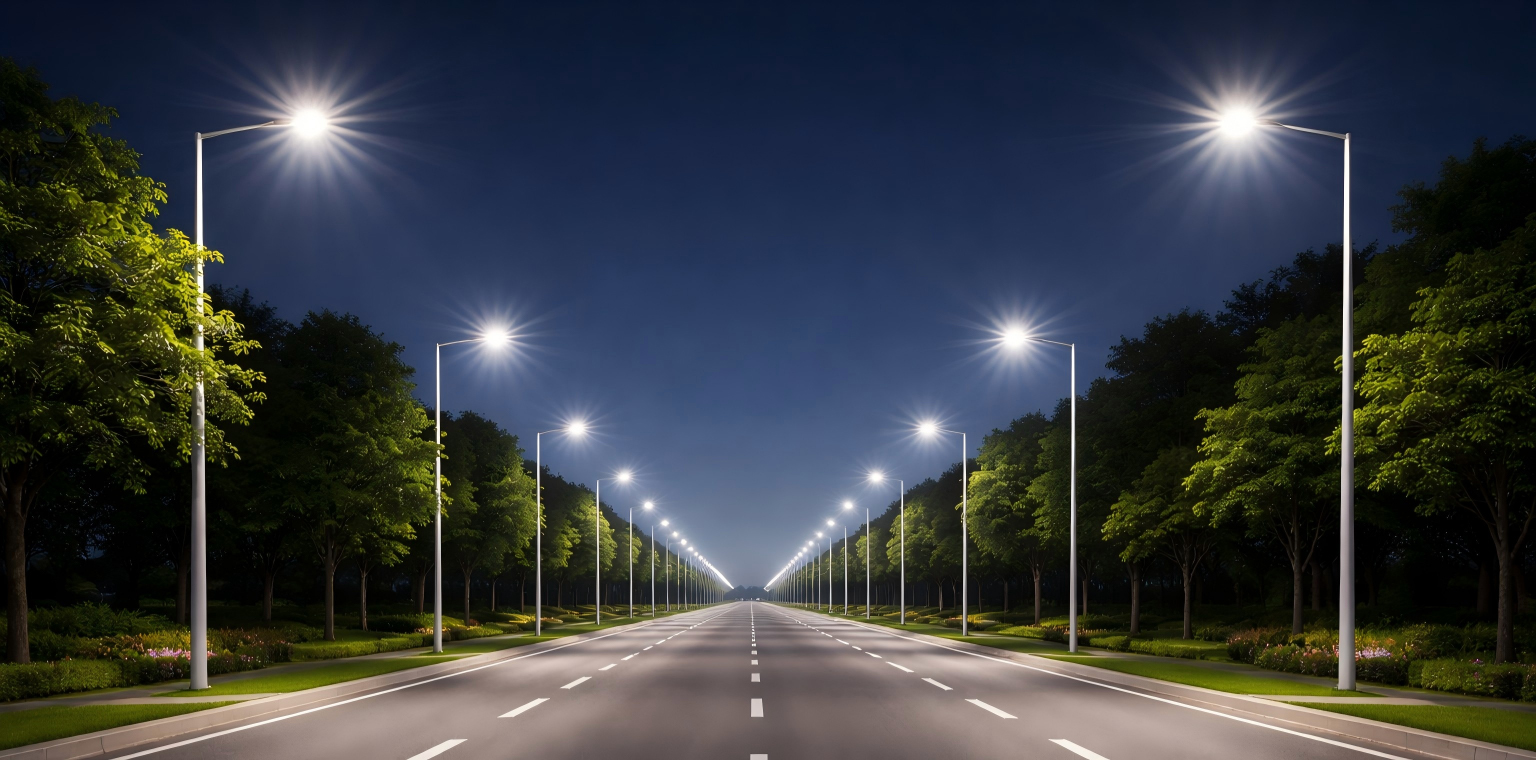 What Is a NEMA Controller?
  Full-Scope Solar Street Lighting Packages & Custom Solutions for Municipalities & Developers
 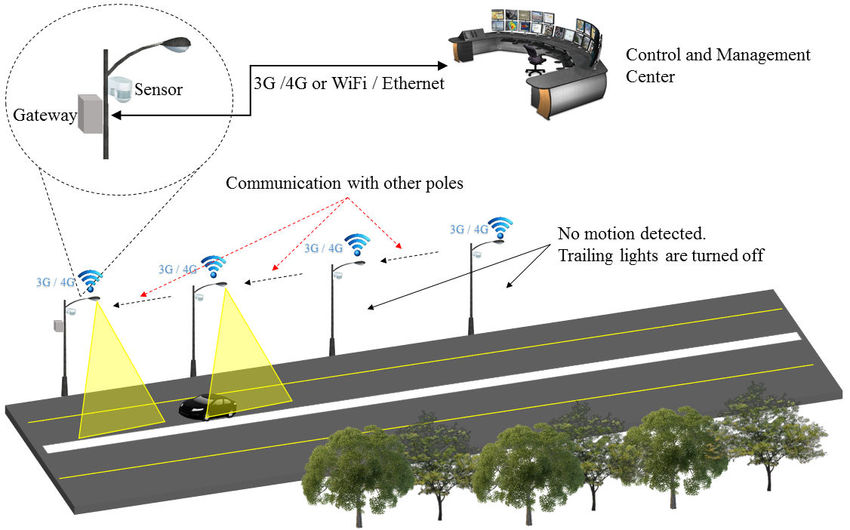 Cloud-Synergy Smart Street Light Surveillance System for Smart City Development
  How Do Solar Lights Work?
  Clarification about Solar Wind Turbine Street Light: Preferred Choice for Remote Area Lighting & Wind Power System
 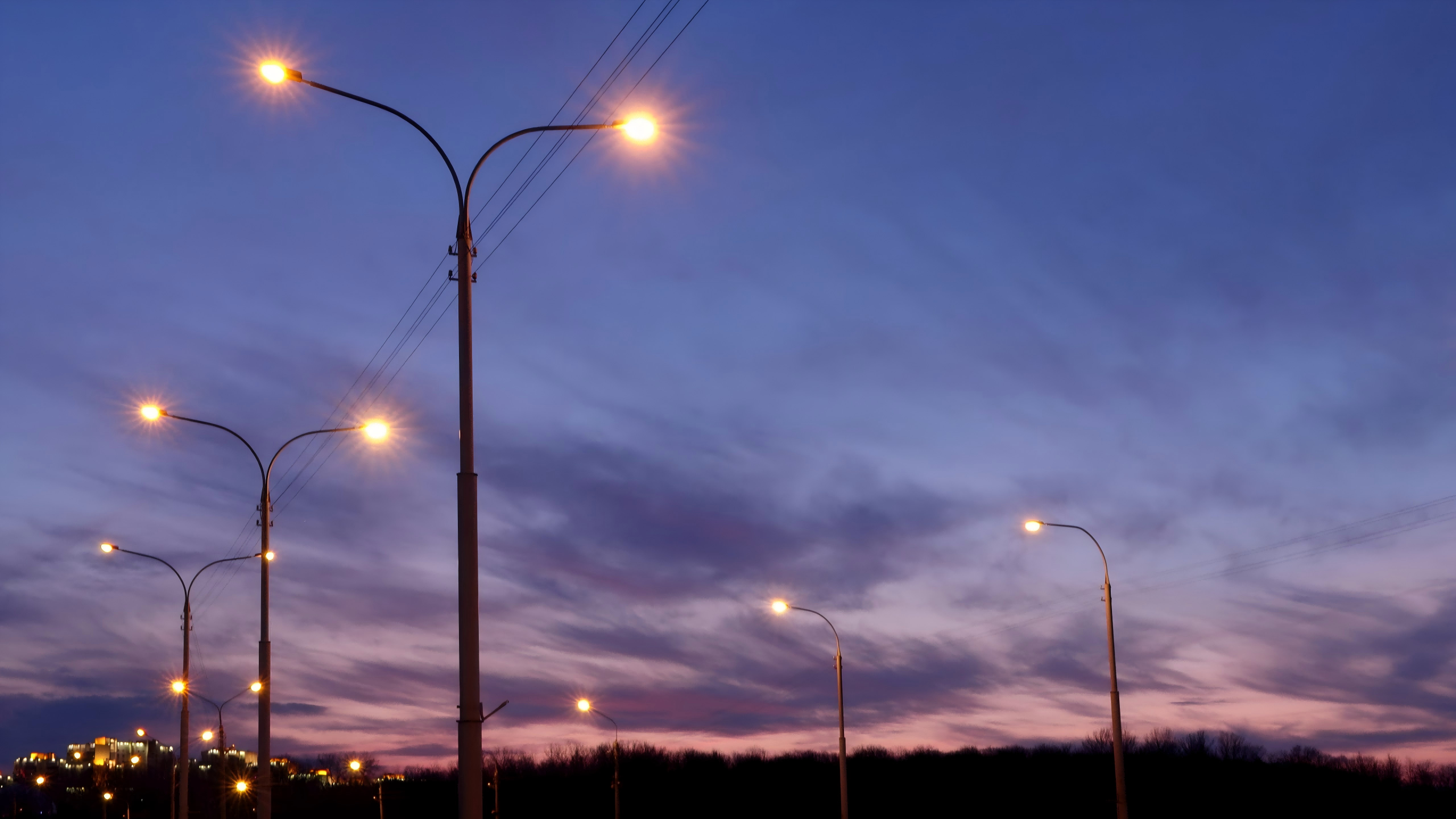 The Most Intelligible Instruction about Intelligent Solar Street Light & Engineering Project Showcase
 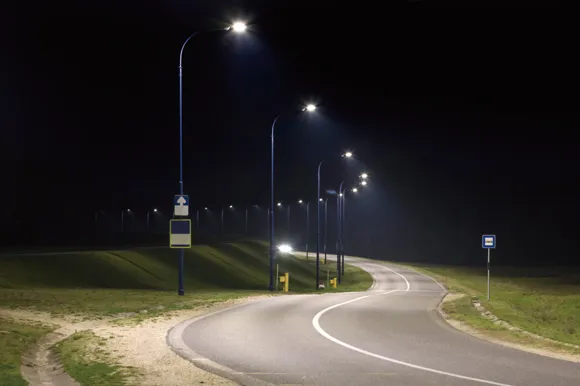 Integrated solar street lights promote urban lighting progress
 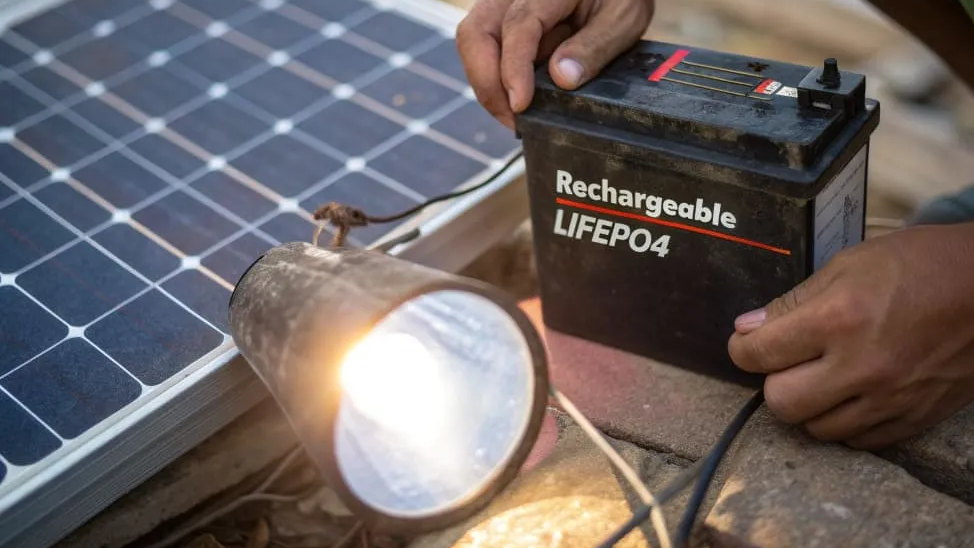 What is the Life Expectancy of the Solar Panel, LED Fixture, and LiFePO4 Batteries?
 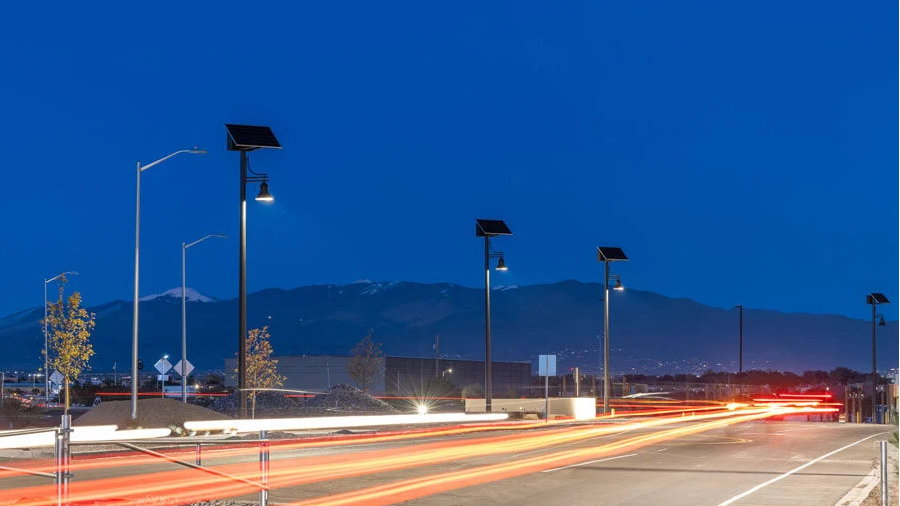 Feasibility of LED Photovoltaic Lighting System in Municipal Construction
  Roadway Lighting Solutions | JH Series for Municipal Projects
 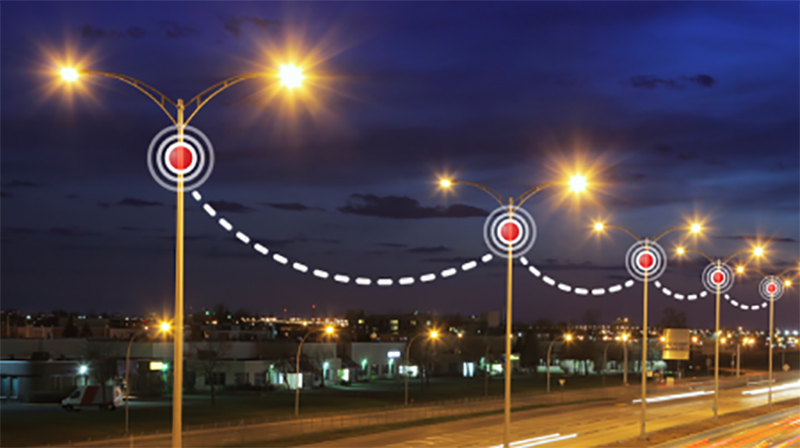 How to Design & Realize LoRa-MESH IoT Solar Street Light City Project?
  How to Design the Perfect Well-Considered Smart Light Pole City Road Lighting Solution?
  Design and Application of All-in-One Solar Street Light with MPPT Charge Controller
  The Ultimate Guide to City Street Light Poles and Smart LED Lighting
 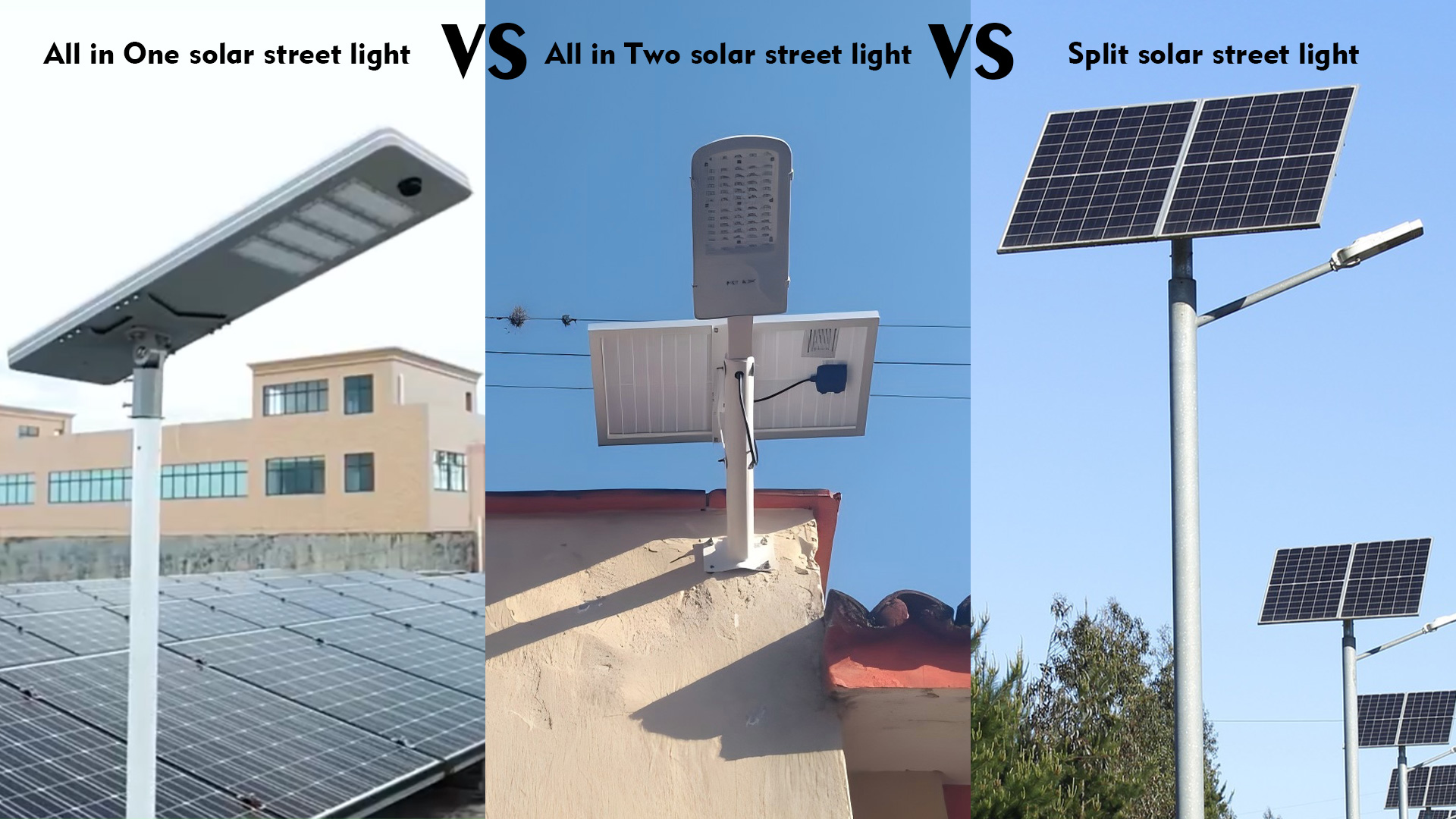 Understanding the Differences Between All-in-One, All-in-Two, and Split Solar LED Street Lights
 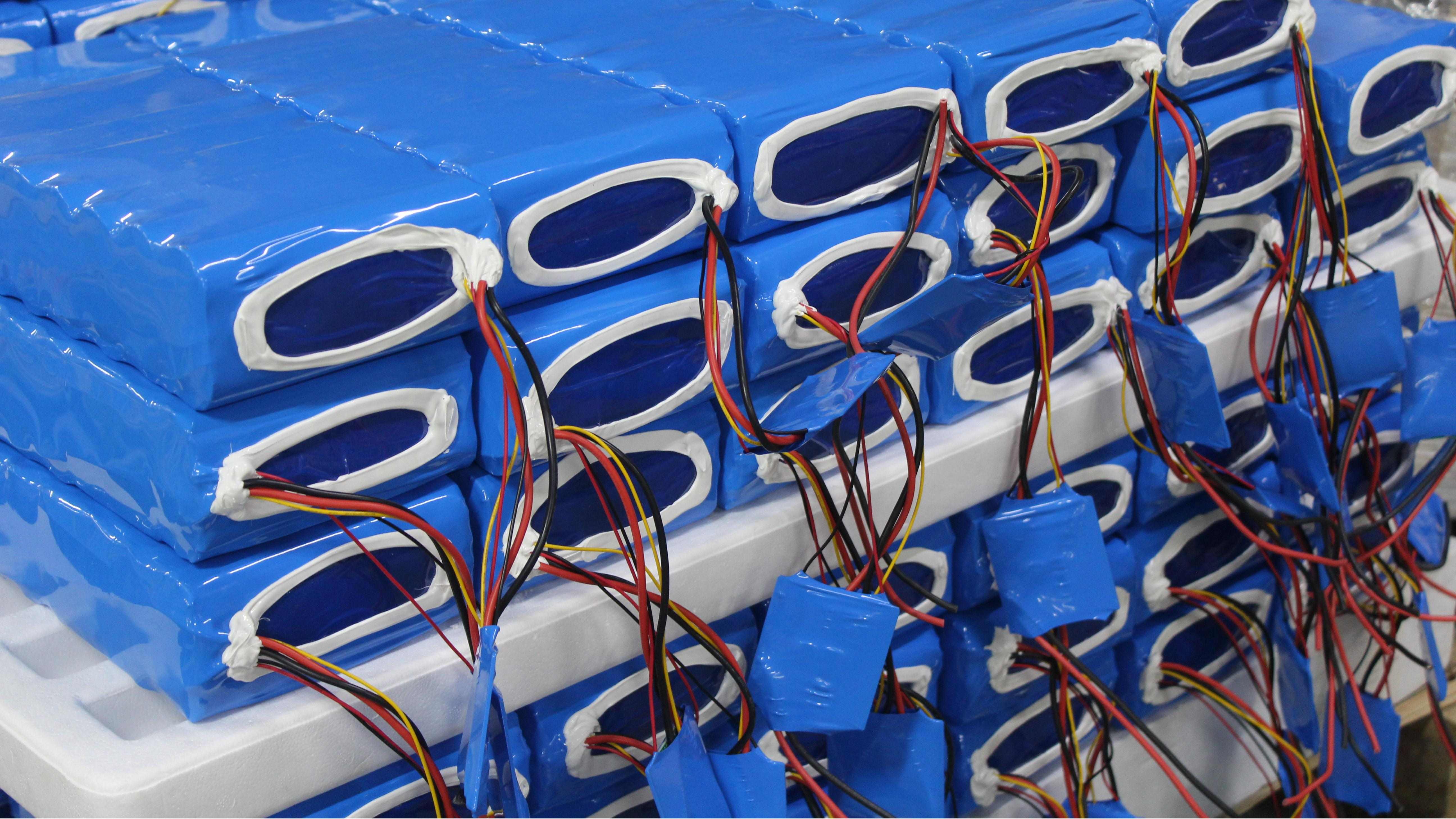 Applications and Fundamentals of Lithium Batteries in Solar Street Lights
  Smart Pole Accessory Modules for Middle East Smart Cities
  Hybrid Solar Street Lighting: Renewable Energy Pros and Cons of Solar, Wind, and the Future
  Solar Flood Lights Transforming Sports Facilities