
Hybrid Solar Street Lighting: Renewable Energy Pros and Cons of Solar, Wind, and the Future







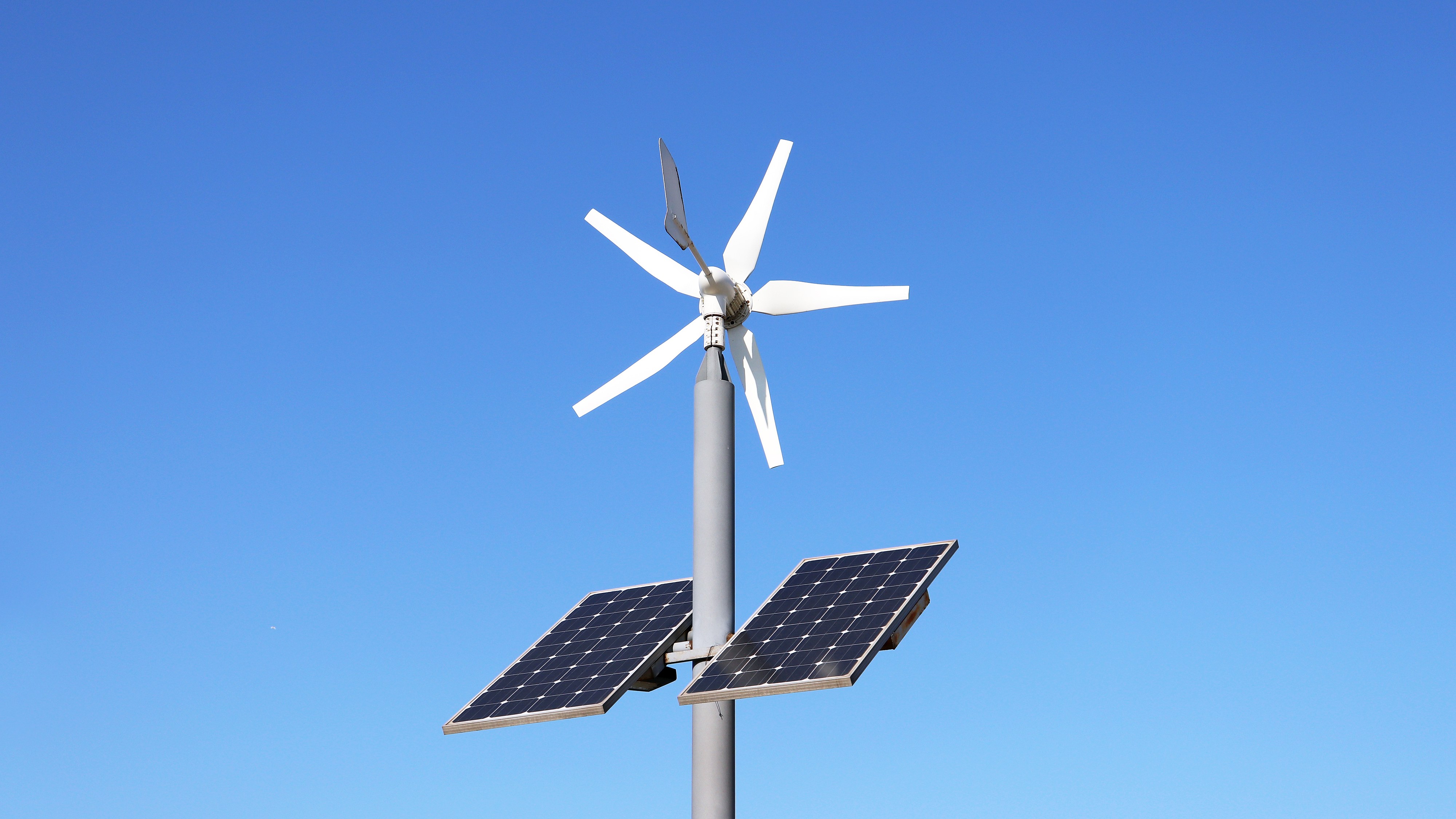
Hybrid solar and wind generator street lights represent a breakthrough in renewable energy integration
Pros and Cons of Solar-Wind Hybrid Street Lights
Outstanding Advantages of Solar-Wind Hybrid Systems Over Single Systems
How Hybrid Wind-Solar Streetlights Work?
Key Advantages of Solar and Wind Hybrid System Street Lights
How to identify what is a good hybrid solar wind generator street light?
Things you need to check with your solar wind turbine street light
Final checklist for a good hybrid wind-solar street light
Ideal applications for hybrid solar power and wind power street lights
Red flags to avoid in a solar and wind hybrid system street light
Hybrid solar and wind generator street lights represent a breakthrough in renewable energy integration

Pros and Cons of Solar-Wind Hybrid Street Lights
Reduced Battery Degradation: Balanced energy input from two sources extends battery lifespan (5–15 years).
Lower Carbon Footprint: Dual renewable sources minimize reliance on fossil fuel backups.
Smart IoT Features: Often includes IoT integration for remote monitoring, motion sensors, and adaptive brightness.
Space Optimization: Vertical turbines and rooftop solar panels suit urban areas with limited ground space.
Government Incentives: Many regions offer subsidies for hybrid solar and wind renewable systems.
Complex Installation: Dual systems need careful planning for turbine placement, panel angles, and energy routing.
Maintenance Challenges: Turbines require periodic servicing (e.g., bearing lubrication, blade inspections). Solar panels need cleaning to maintain efficiency.
Battery Degradation Over Time: Lithium batteries lose capacity gradually (though modern ones last 10+ years).
Energy Storage Limits: Batteries may struggle during prolonged extreme weather (e.g., weeks of cloudy/windless days).
Outstanding Advantages of Solar-Wind Hybrid Systems Over Single Systems
| Hybrid | Single-System | |
| Uninterrupted Power Supply | Combines solar (daytime) and wind (24/7) energy, ensuring continuous operation even during cloudy days, nights, or low-wind periods. | Solar-only systems fail at night or under heavy cloud cover; wind-only systems struggle during calm weather. Weather Resilience: |
| Weather Resilience | Balances energy generation across seasons (e.g., solar dominates in summer, wind in winter) | Vulnerable to seasonal changes (e.g., solar underperforms in winter, wind in calm seasons) |
| Energy Security | Reduces risk of power shortages by diversifying energy sources. If one source underperforms, the other compensates | High dependency on a single resource, increasing vulnerability to environmental disruptions |
| Space Efficiency | Vertical-axis wind turbines occupy minimal ground space, paired with compact solar panels | Solar requires large panel arrays; wind turbines (horizontal-axis) need more space for blades |
| Cost Savings Over Time | Lower long-term energy costs due to dual-source efficiency and reduced battery strain | Higher lifetime costs if grid backup is needed during low-generation periods |
| Scalability and Redundancy | Modular design allows incremental upgrades (e.g., adding panels/turbines as energy demand grows) | Scaling requires significant infrastructure changes (e.g., expanding solar farms) |
| Ideal for Variable Climates | Thrives in regions with unpredictable weather (e.g., monsoons, cloudy winters) | Struggles in areas with inconsistent sun or wind patterns. |
How Hybrid Wind-Solar Streetlights Work?

Wind Turbines: Capture kinetic energy from wind (day or night) to supplement battery storage.
Smart Energy Management:
Key Advantages of Solar and Wind Hybrid System Street Lights
Unmatched Reliability:
Enhanced Energy Security:
Solar wind generator dual-source systems ensure uninterrupted power, even if one energy source underperforms.
Sustainability:
Durable materials (e.g., corrosion-resistant aluminum) reduce lifecycle waste.
Weather Resilience:
Works in diverse environments, from mountainous regions to coastal areas.
Cost Savings Over Time via Solar and Wind Hybrid System:
Government incentives for renewable energy adoption can offset upfront costs.
Smart IoT Features:
IoT connectivity enables remote monitoring, maintenance alerts, and energy usage tracking.
Key Differences: Hybrid vs. Solar-Only vs. Wind-Only Street Lights
| Factor | Solar-Only | Wind-Only | Hybrid |
|---|---|---|---|
| Energy Reliability | Low (sun-dependent) | Moderate (wind-dependent) | Highest (24/7 generation) |
| Weather Adaptability | Fails at night/cloudy days | Fails in calm weather | Excels in all conditions |
| Space Requirements | High (large panels) | Low (vertical turbines) | Moderate |
| Maintenance | Low | Moderate (moving parts) | Moderate (both systems) |
| Cost | Moderate upfront | High upfront | High upfront, low-fee afterwards |
| Best For | Sunny, arid regions | Windy coastal/plains | Variable climates, remote areas |
How to identify what is a good hybrid solar wind generator street light?
Evaluate Core Components
A good solar and wind hybrid system combines solar panels, wind turbines, batteries, and smart solar charge controllers. Assess each component's quality to identify which is the top-notch wind spinners solar street light.


Solar Panels:
Look for monocrystalline panels (higher efficiency ~20-24%) over polycrystalline (~15-17%).
Check for weather resistance such as anti-scratch, hail-proof, and certifications (e.g., IEC 61215 for durability and quality).
Wind Turbines:
Vertical-axis turbines are quieter and better for urban areas.
Ensure the turbine has a high survival wind speed (e.g., up to 60 mph) and low noise levels (<40 dB).

We utilize the patented technology Pro-Double MPPT solar charge controller, which has real-time monitoring, adaptive energy management, and IoT connectivity for remote control.
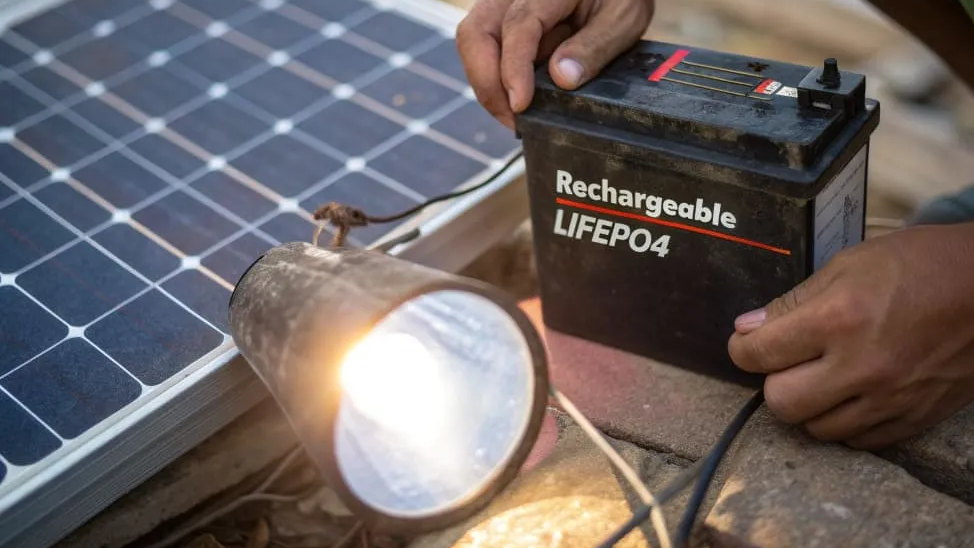
Opt for lithium-ion (LiFePO4) batteries—they last longer (5–15 years), charge faster, and are safer than lead-acid.
Check capacity (kWh) and depth of discharge (DoD). A higher DoD (80–90%) means more usable energy.
Things you need to check with your solar wind turbine street light
The system should generate enough energy to power the lights 24/7, even in low-sun/wind conditions.
Example: A 100W solar panel + 400W turbine can power LED lights for 10–12 hours daily.
Battery Runtime:
Batteries should provide 3–5 days of backup during prolonged cloudy/windless periods.
Lighting Efficiency:
LED luminaires should have high lumen output (e.g., 1,000–2,000 lumens) with adjustable brightness (e.g., dimming via motion sensors).
Final checklist for a good hybrid wind-solar street light
- Final Checklist for a Good Hybrid Wind-Solar Street Light
- Dual renewable energy sources (solar + wind).
- Lithium battery with ≥5-year lifespan.
- IP67/IP68 rating for all components.
- IoT-enabled monitoring and control.
- Modular, scalable design.
- Localized customer support and warranties.
Ideal applications for hybrid solar power and wind power street lights
Mountain passes, islands, or villages with no grid access.
Coastal Regions:
Strong coastal winds pair well with solar power in sunny climates.
Urban Areas with Space Constraints:
Vertical turbines and compact designs fit into tight spaces.
High-Traffic Zones:
High-intensity lighting for highways, airports, or industrial sites.
Smart Cities:
Integrates with IoT for traffic management, safety alerts, and energy optimization.
You need 24/7 energy security.
Your climate is variable (e.g., cloudy winters, calm summers).
Space is limited, but energy demands are high.
Weather patterns are consistent (e.g., perpetual sun or wind).
Budget constraints prioritize upfront simplicity over long-term resilience.
Red flags to avoid in a solar and wind hybrid system street light
- Low-Quality Batteries: Lead-acid batteries degrade quickly and lack scalability.
- No Data Monitoring: Lack of IoT transparency can lead to unexpected failures.
- Overpromising Claims: If a system claims 100% reliability without a hybrid backup, it's unreliable.


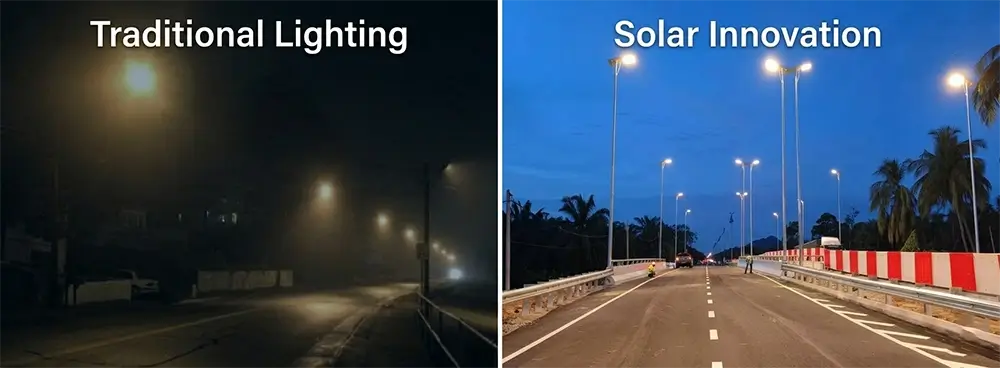 Smart Street Light Deployment for Transportation Infrastructure in Indonesia
  What Is a NEMA Controller?
 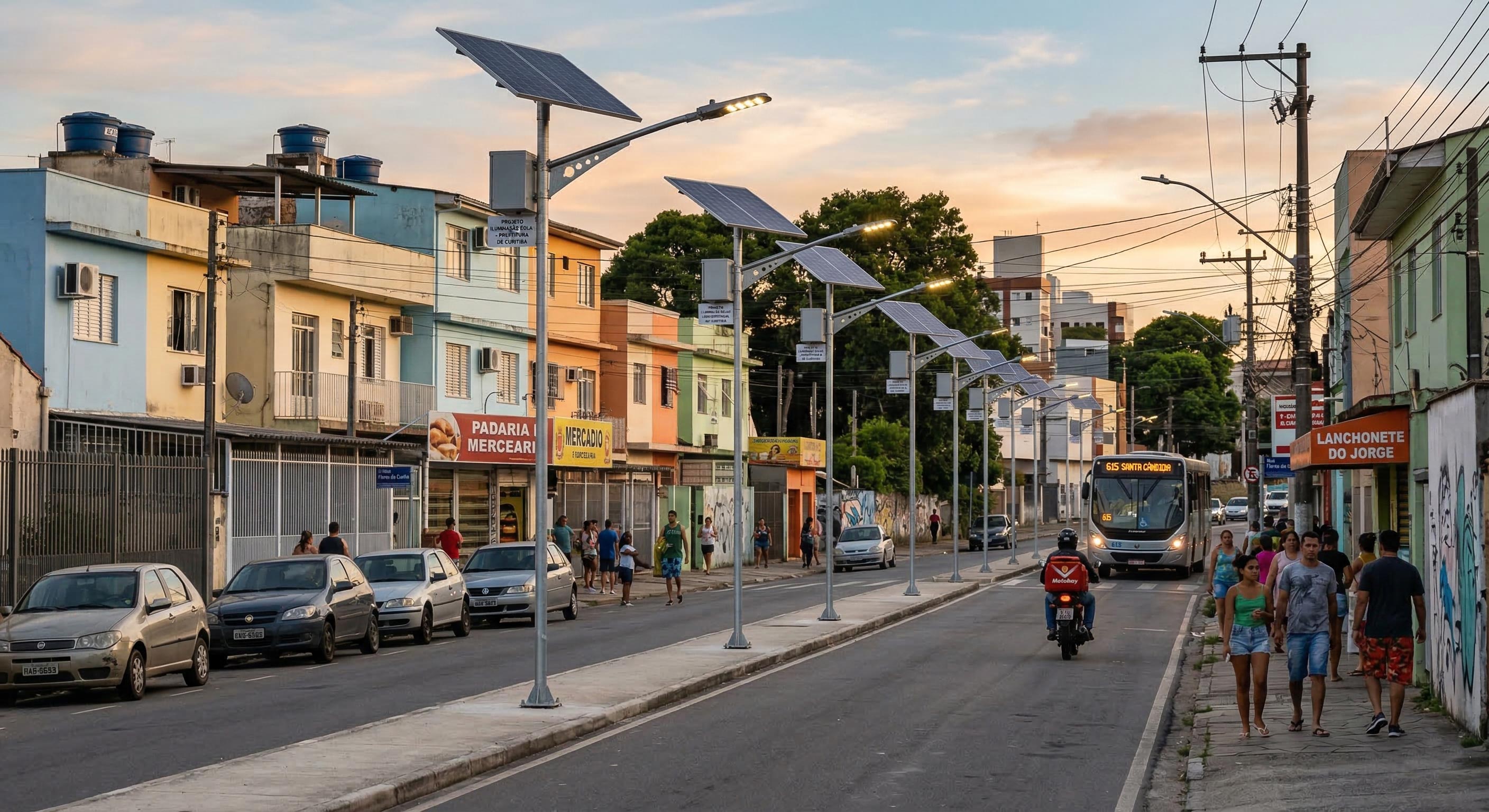 Best Solar Street Light Manufacturer? Start With These Questions
  Full-Scope Solar Street Lighting Packages & Custom Solutions for Municipalities & Developers
 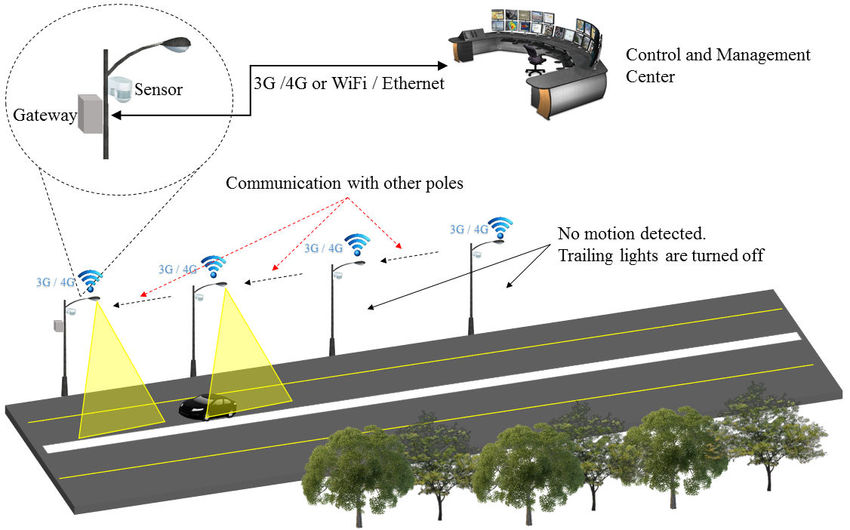 Cloud-Synergy Smart Street Light Surveillance System for Smart City Development
  How Do Solar Lights Work?
  Clarification about Solar Wind Turbine Street Light: Preferred Choice for Remote Area Lighting & Wind Power System
  The Most Intelligible Instruction about Intelligent Solar Street Light & Engineering Project Showcase
  Integrated solar street lights promote urban lighting progress
  What is the Life Expectancy of the Solar Panel, LED Fixture, and LiFePO4 Batteries?
  Feasibility of LED Photovoltaic Lighting System in Municipal Construction
  Roadway Lighting Solutions | JH Series for Municipal Projects
  How to Design & Realize LoRa-MESH IoT Solar Street Light City Project?
  How to Design the Perfect Well-Considered Smart Light Pole City Road Lighting Solution?
  Design and Application of All-in-One Solar Street Light with MPPT Charge Controller
  The Ultimate Guide to City Street Light Poles and Smart LED Lighting
 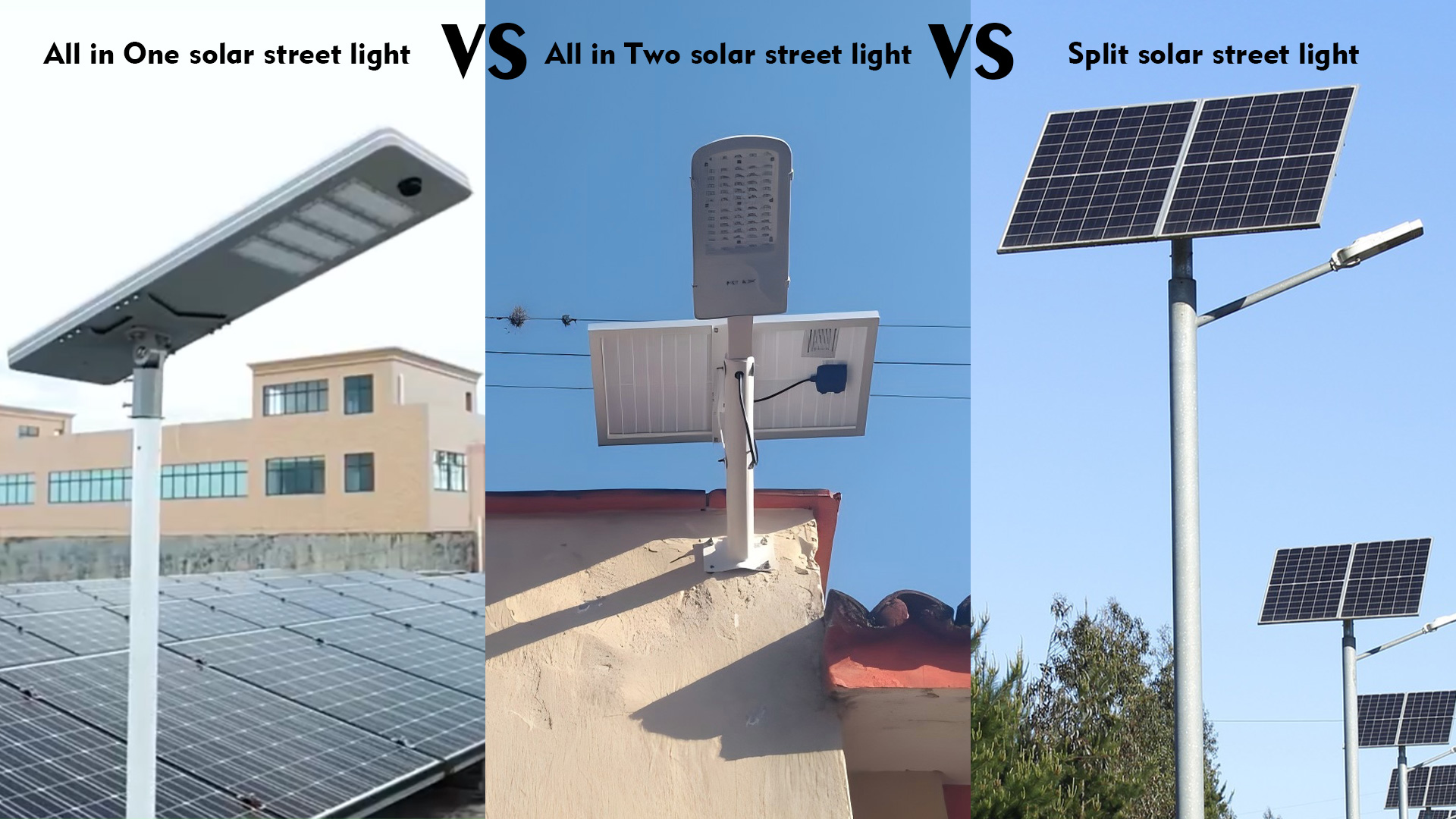 Understanding the Differences Between All-in-One, All-in-Two, and Split Solar LED Street Lights
 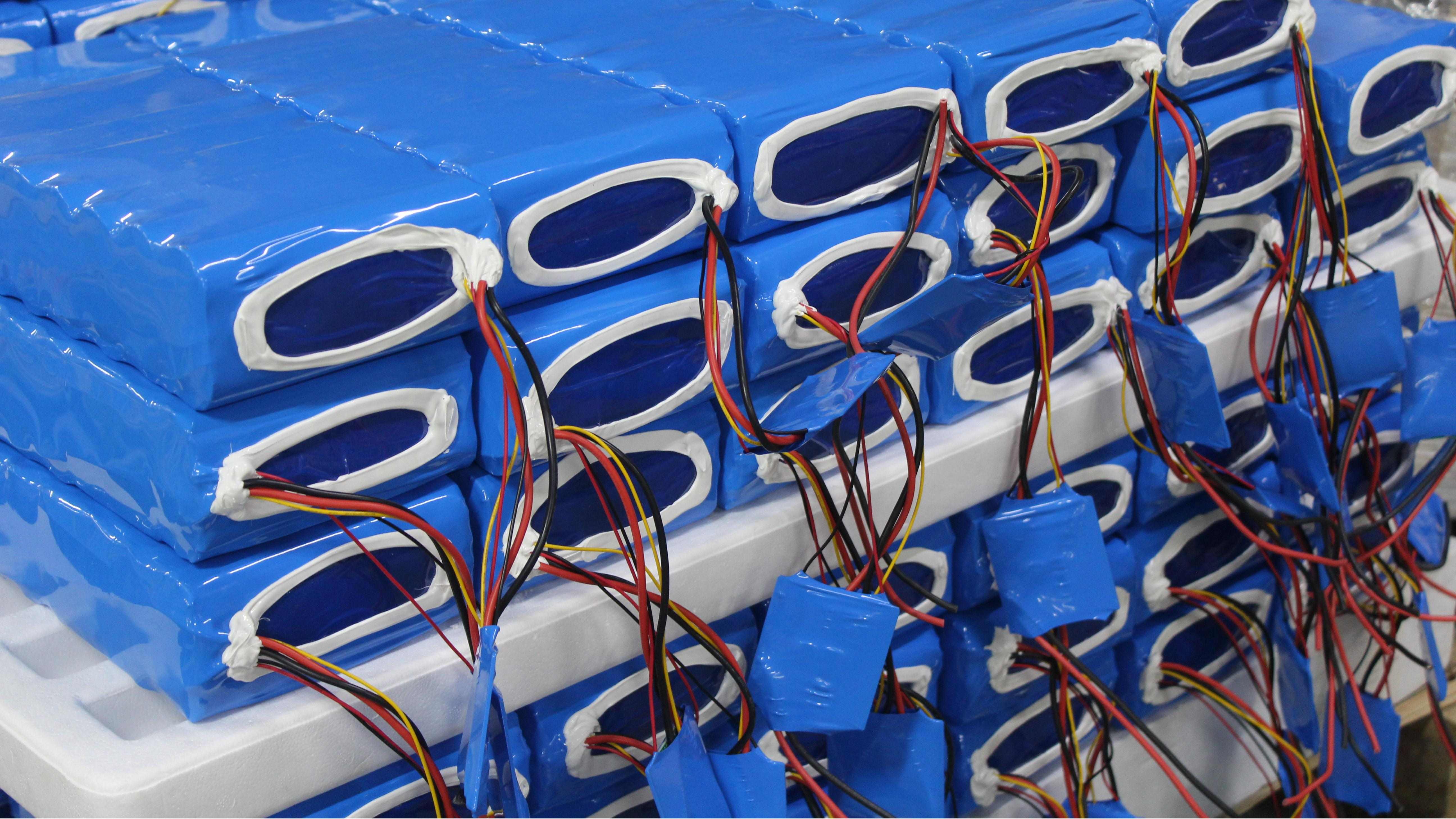 Applications and Fundamentals of Lithium Batteries in Solar Street Lights
  Smart Pole Accessory Modules for Middle East Smart Cities
  Solar Flood Lights Transforming Sports Facilities