
What is the Life Expectancy of the Solar Panel, LED Fixture, and LiFePO4 Batteries?
author: Aurora
2025-08-12







High-Quality can Deliver Consistent Brightness, Long Operating Hours, and Years of Reliable Illumination
When investing in a solar street light with a pole and battery, the life expectancy of its key components — solar panel, LED fixture, and batteries — is a critical factor in determining long-term performance, ROI, and maintenance costs. BOSUN® Lighting designs and manufactures high-performance solar lighting systems engineered to deliver reliable, high-efficiency operation over many years.
The solar panel, LED fixture, and battery form the foundation of every solar street light with pole and battery, working together as the energy generator, light source, and storage system. Their quality, efficiency, and durability determine whether the light can deliver consistent brightness, long operating hours, and years of reliable service. A high-efficiency 400 watt solar panel or 200 watt solar panel ensures sufficient daily energy capture, a premium LED lamp fixture or outdoor LED light fixture maximizes illumination from every watt, and a long-life LiFePO₄ battery safeguards performance through thousands of charge cycles. When engineered to work in harmony, these components create a system that not only reduces maintenance and replacement costs, but also guarantees stable, high-quality lighting for roads, industrial zones, and public spaces. BOSUN® Lighting's commitment to advanced materials, rigorous testing, and optimized system design ensures that every solar street light with battery delivers dependable performance and an exceptional return on investment for years to come.

Solar Panel Life Expectancy
High-quality monocrystalline solar panels, like those used in BOSUN® systems, typically last 20–25 years, while polycrystalline modules may last 15–20 years. Over time, all panels experience gradual performance loss, known as power degradation, typically around 0.3–0.5% per year for premium monocrystalline models.
Technical Specifications
Material: A-grade monocrystalline silicon cells
Material: A-grade monocrystalline silicon cells
Efficiency: ≥22% conversion efficiency
Protection: Tempered glass + EVA encapsulation + anodized aluminum frame
Wind/Snow Resistance: Designed to withstand ≥5400 Pa snow load and ≥2400 Pa wind pressure
Example
A 400-watt solar panel in a highway lighting project can maintain more than 90% of its original capacity after 10 years. A 200-watt solar panel in a pedestrian lighting project can easily provide 15+ years of dependable service with proper care.
A 400-watt solar panel in a highway lighting project can maintain more than 90% of its original capacity after 10 years. A 200-watt solar panel in a pedestrian lighting project can easily provide 15+ years of dependable service with proper care.
Maintenance Tips
Clean panels at least twice a year (more often in dusty or polluted areas)
Clean panels at least twice a year (more often in dusty or polluted areas)
Check for cracks or loose frame seals after storms
Ensure no shading from trees or nearby buildings
LED Fixture Life Expectancy
LEDs are known for their long lifespan, but the actual operational life depends on thermal management, electrical stability, and environmental protection.
Service Life
BOSUN® LED fixtures are rated for 50,000–100,000 hours (12–20 years at 12 hours/day). This is achieved through:
BOSUN® LED fixtures are rated for 50,000–100,000 hours (12–20 years at 12 hours/day). This is achieved through:
LM80-certified LED chips
Advanced heat dissipation using extruded aluminum heat sinks
IP66+ rated enclosures to resist dust, rain, and insects
Types of Fixtures
Outdoor LED light fixtures for streets, highways, and public spaces
Outdoor LED light fixtures for streets, highways, and public spaces
Industrial light fixtures LED for factory zones and warehouses
LED lamp fixture for compact solar lighting solutions
Performance Benefits
Low lumen depreciation (<10% in 50,000 hours)
Low lumen depreciation (<10% in 50,000 hours)
High luminous efficacy (≥160 lm/W)
Customized optics for uniform illumination and reduced glare
High Quality vs Low Quality – Solar Lighting Components
| Component | High Quality Features | Low Quality Features |
|---|---|---|
| Solar Panel |
A-grade monocrystalline, ≥22% efficiency, tempered low-iron glass, anodized aluminum frame, IEC 61215 & IEC 61730 certified, ≤0.5% annual degradation
|
B/C-grade cells, polycrystalline or thin-film, standard glass without coating, poor frame sealing, uncertified, >1% annual degradation
|
| LED Fixture | LM80-certified chips (≥160 lm/W), precision optics, die-cast aluminum housing, IP66+, ≥6kV surge protection, uniform illumination | Uncertified low-efficacy chips (<120 lm/W), basic reflector optics, thin housing, IP54 or lower, no surge protection, uneven light output |
| LiFePO₄ Battery | ≥2000–4000 cycles @ 80% DOD, BMS protection, IP67 casing, -20°C to +60°C operation, UN38.3 & IEC 62619 certified | <1000 cycles, no BMS, low-grade casing, limited temperature tolerance, missing safety certifications |
Battery Life Expectancy
The battery is the most sensitive component of a solar street light, as it cycles daily. The chemistry, depth of discharge, and temperature conditions heavily influence lifespan.
Battery Options
LiFePO₄ (Lithium Iron Phosphate)
LiFePO₄ (Lithium Iron Phosphate)
Lifespan: 8–12 years
Cycles: 2000–4000 full charge/discharge cycles
Advantages: Stable performance, high safety, deep cycle capability
Lithium-ion (Li-ion)
Lifespan: 5–8 years
Cycles: 1500–3000 cycles
Gel/AGM Lead-Acid
Lifespan: 3–5 years
Cycles: 500–800 cycles
Note: Lower upfront cost but shorter life
BOSUN® Standard
We recommend LiFePO₄ batteries for all medium-to-high demand projects, especially in solar street lights with pole and battery configurations, due to their long cycle life and ability to handle temperature variations from -20°C to +60°C. Check on our ultra-low temperature battery and article about: Applications and Fundamentals of Lithium Batteries in Solar Street Lights.
We recommend LiFePO₄ batteries for all medium-to-high demand projects, especially in solar street lights with pole and battery configurations, due to their long cycle life and ability to handle temperature variations from -20°C to +60°C. Check on our ultra-low temperature battery and article about: Applications and Fundamentals of Lithium Batteries in Solar Street Lights.

BOSUN® Quality Assurance Process - Product Testing
To ensure the life expectancy of the solar panel, LED fixture, and batteries matches or exceeds expectations, BOSUN conducts:
Solar Panel Testing: Output verification under STC and NOCT
LED Fixture Testing: Photometric analysis, lumen depreciation tests
Battery Testing: Accelerated aging simulation, cycle life validation
Solar Panel Testing: Output verification under STC and NOCT
LED Fixture Testing: Photometric analysis, lumen depreciation tests
Battery Testing: Accelerated aging simulation, cycle life validation
Environmental Testing: Salt spray, vibration, and temperature shock tests
Technical Lifespan Comparison Table
| Component | Lifespan (Years) | Key BOSUN Specs | Common Issues Prevented |
|---|---|---|---|
| Solar Panel | 20–25 | Mono-Si, ≥22% efficiency, corrosion-proof frame | Cell cracking, UV yellowing |
| LED Fixture | 12–20 | LM80 LEDs, IP66+, ≥160 lm/W | Heat damage, moisture ingress |
| LiFePO₄ Battery | 8–12 | 2000–4000 cycles, IP67 case | Over-discharge, capacity fade |
The lifespan of a solar street light with a battery depends on the quality of the solar panel, LED fixture, and battery, as well as correct system sizing and proper maintenance. BOSUN® Lighting’s engineering philosophy ensures each outdoor LED light fixture, LED lamp fixture, and solar street light with pole and battery is optimized for long service life, high luminous efficiency, and low maintenance costs.
Whether your project requires a 400-watt solar panel for highways or a 200-watt solar panel for residential streets, BOSUN® Lighting's proven technology ensures your investment delivers reliable illumination for decades.
Related Articles:
Hot-Selling Solar LED Street Light Fixtures


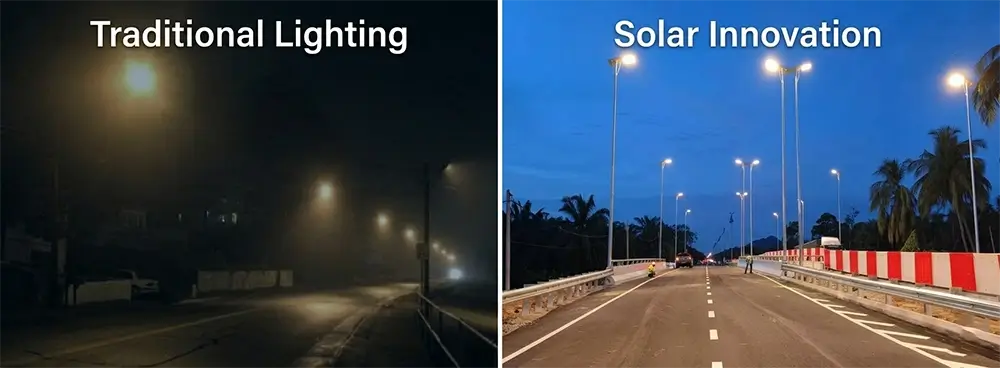 Smart Street Light Deployment for Transportation Infrastructure in Indonesia
  What Is a NEMA Controller?
  Best Solar Street Light Manufacturer? Start With These Questions
  Full-Scope Solar Street Lighting Packages & Custom Solutions for Municipalities & Developers
 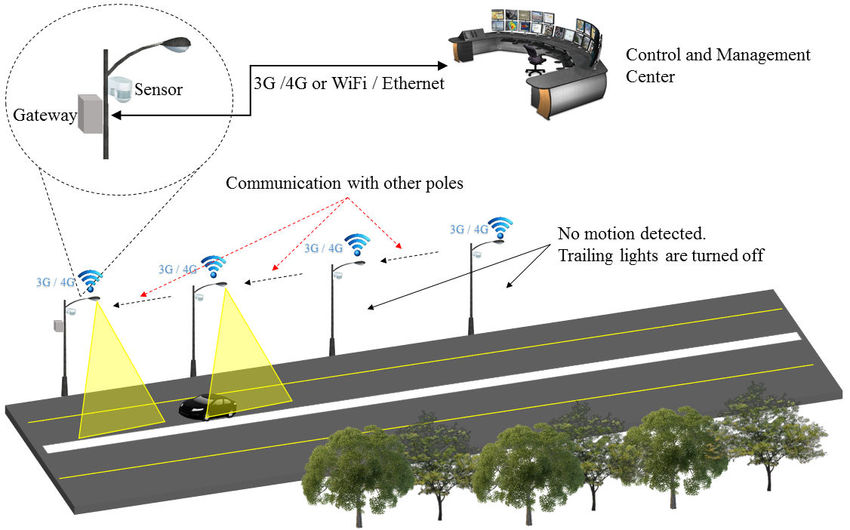 Cloud-Synergy Smart Street Light Surveillance System for Smart City Development
  How Do Solar Lights Work?
 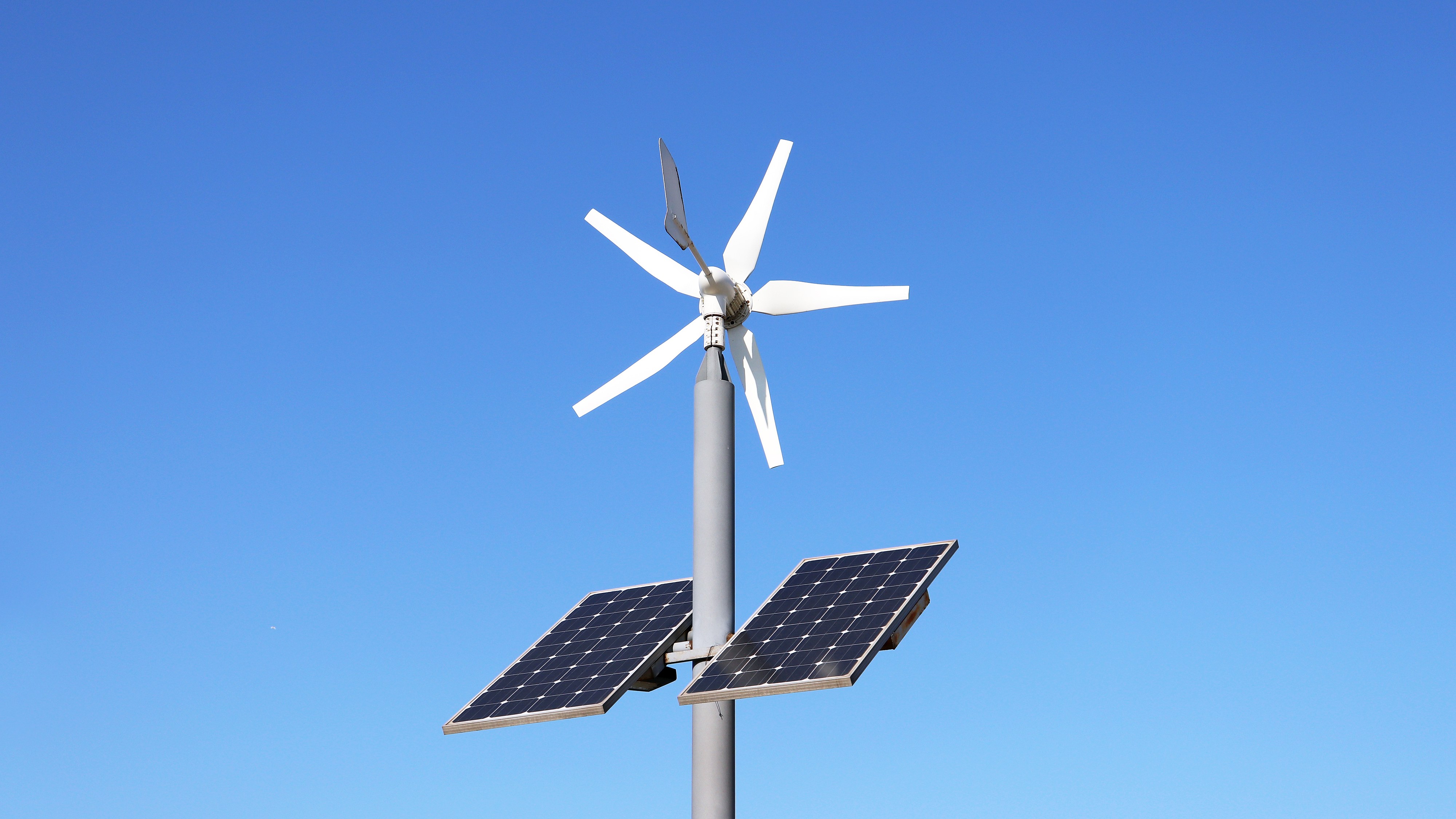 Clarification about Solar Wind Turbine Street Light: Preferred Choice for Remote Area Lighting & Wind Power System
  The Most Intelligible Instruction about Intelligent Solar Street Light & Engineering Project Showcase
  Integrated solar street lights promote urban lighting progress
  Feasibility of LED Photovoltaic Lighting System in Municipal Construction
  Roadway Lighting Solutions | JH Series for Municipal Projects
  How to Design & Realize LoRa-MESH IoT Solar Street Light City Project?
  How to Design the Perfect Well-Considered Smart Light Pole City Road Lighting Solution?
  Design and Application of All-in-One Solar Street Light with MPPT Charge Controller
  The Ultimate Guide to City Street Light Poles and Smart LED Lighting
 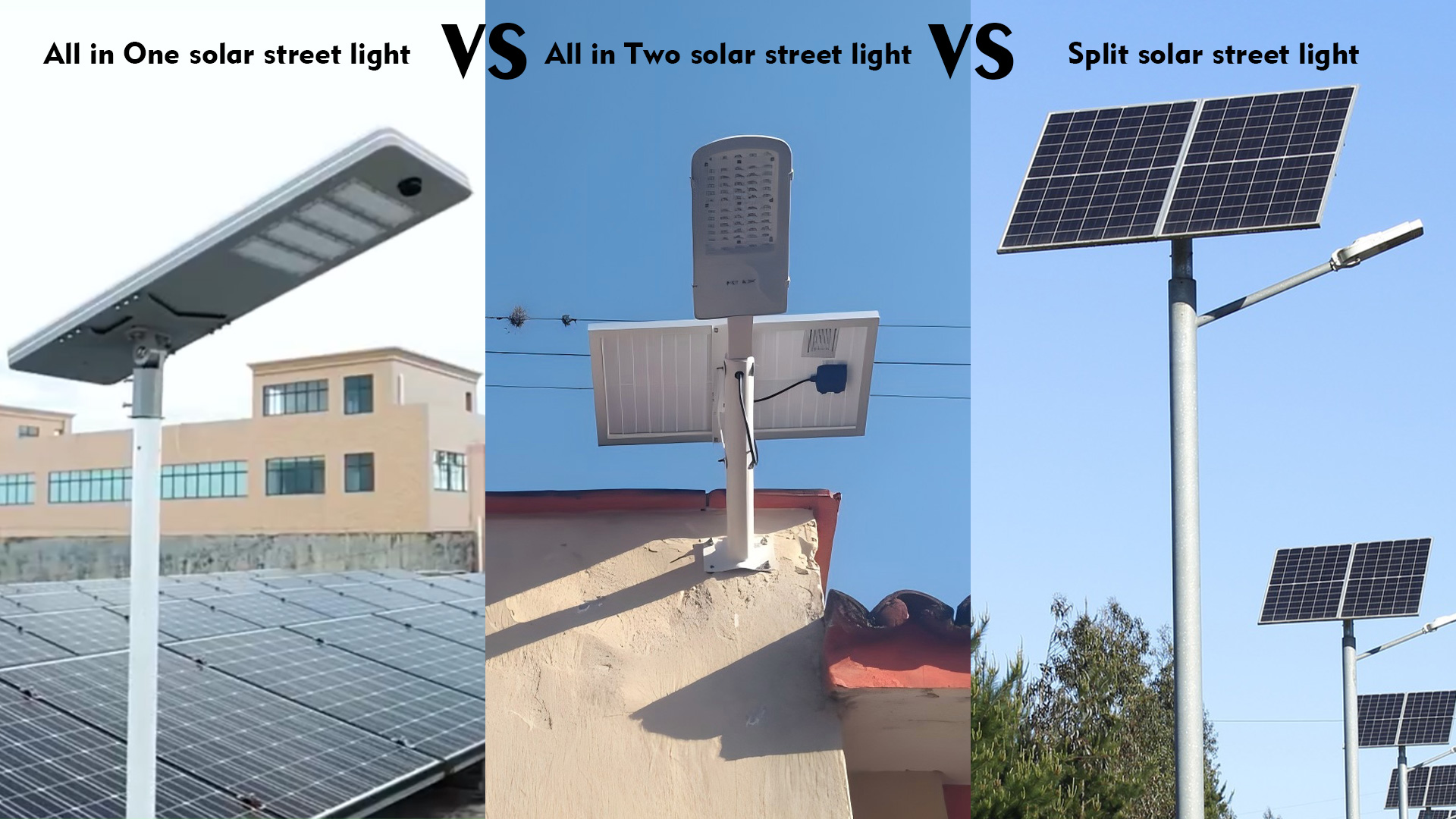 Understanding the Differences Between All-in-One, All-in-Two, and Split Solar LED Street Lights
 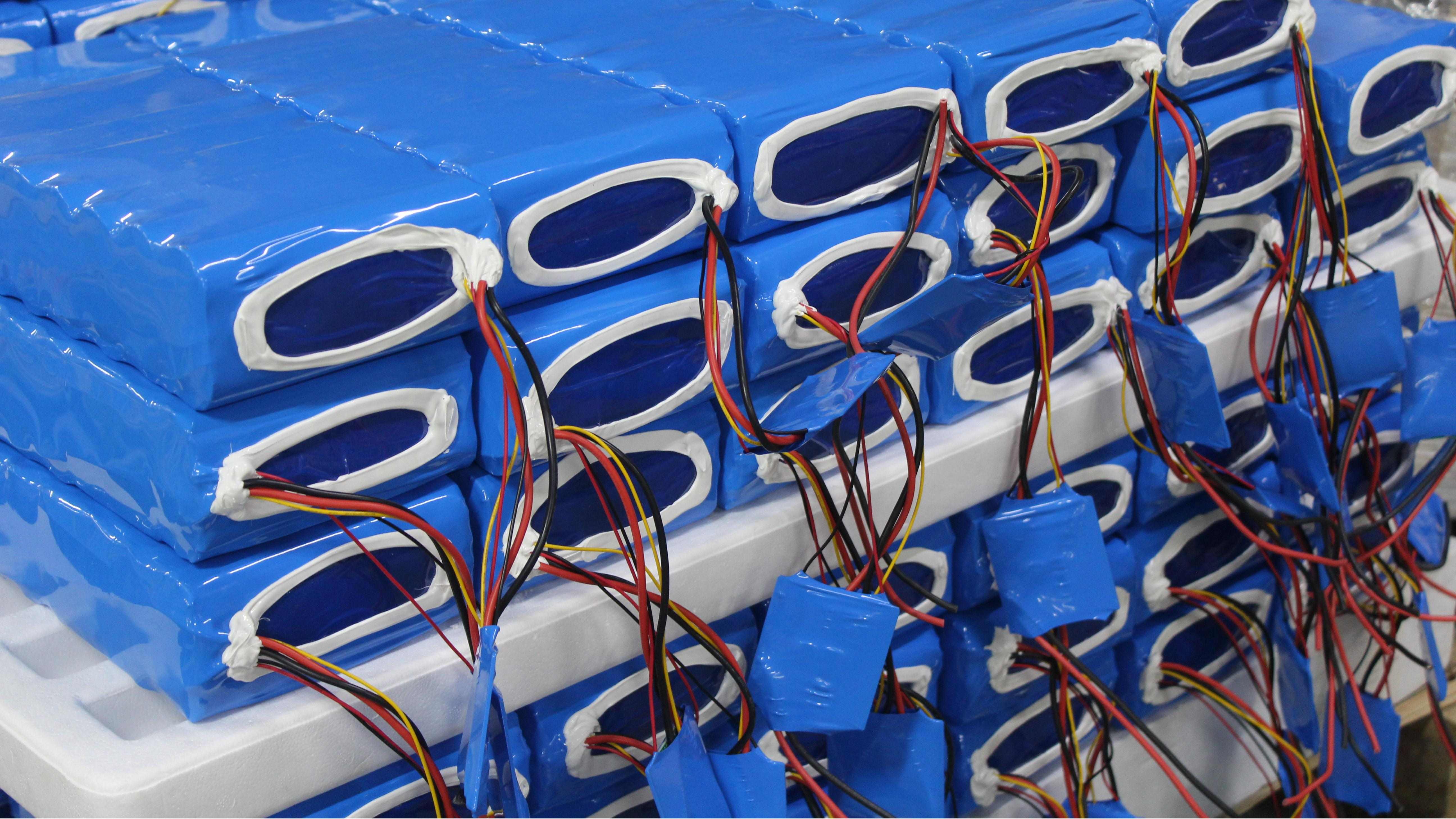 Applications and Fundamentals of Lithium Batteries in Solar Street Lights
  Smart Pole Accessory Modules for Middle East Smart Cities
 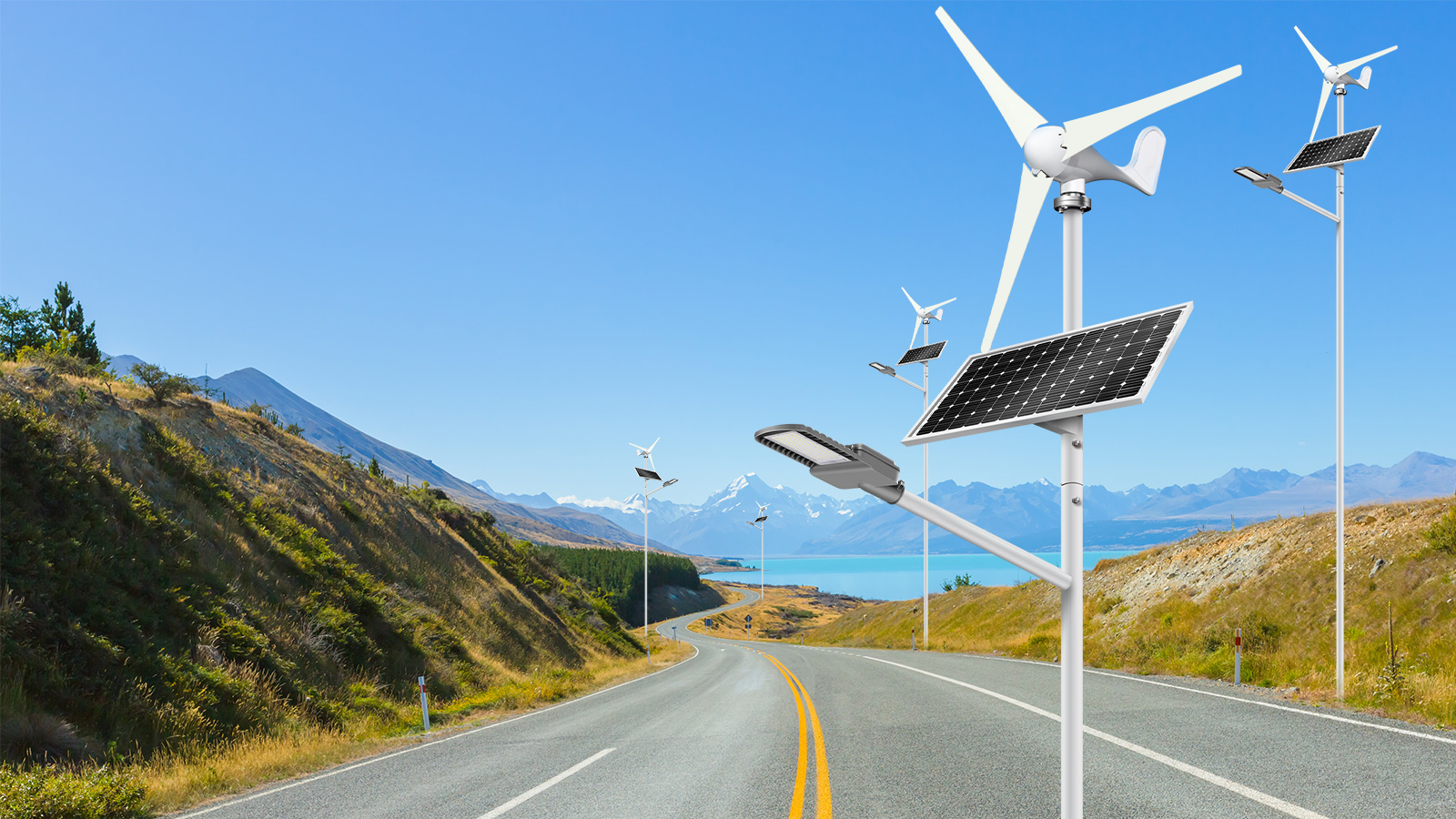 Hybrid Solar Street Lighting: Renewable Energy Pros and Cons of Solar, Wind, and the Future
  Solar Flood Lights Transforming Sports Facilities