
Do Solar Panels Charge On Cloudy Days?
author: Aurora
2024-11-27






Main Content:
Can solar street light still produce power on overcast days?
How do solar panels work?
Factors influencing the choice of solar panels
Practical examples and calculations of solar street light
The effect of cloudy weather on the charging efficiency of solar panels
Differences in the performance of different solar panels on cloudy days
FAQs about solar panels' efficiency on cloudy days
Hot-Cake Solar Street Lights
How do solar panels work?
Factors influencing the choice of solar panels
Practical examples and calculations of solar street light
The effect of cloudy weather on the charging efficiency of solar panels
Differences in the performance of different solar panels on cloudy days
FAQs about solar panels' efficiency on cloudy days
Hot-Cake Solar Street Lights
Can solar street light still produce power on overcast days?
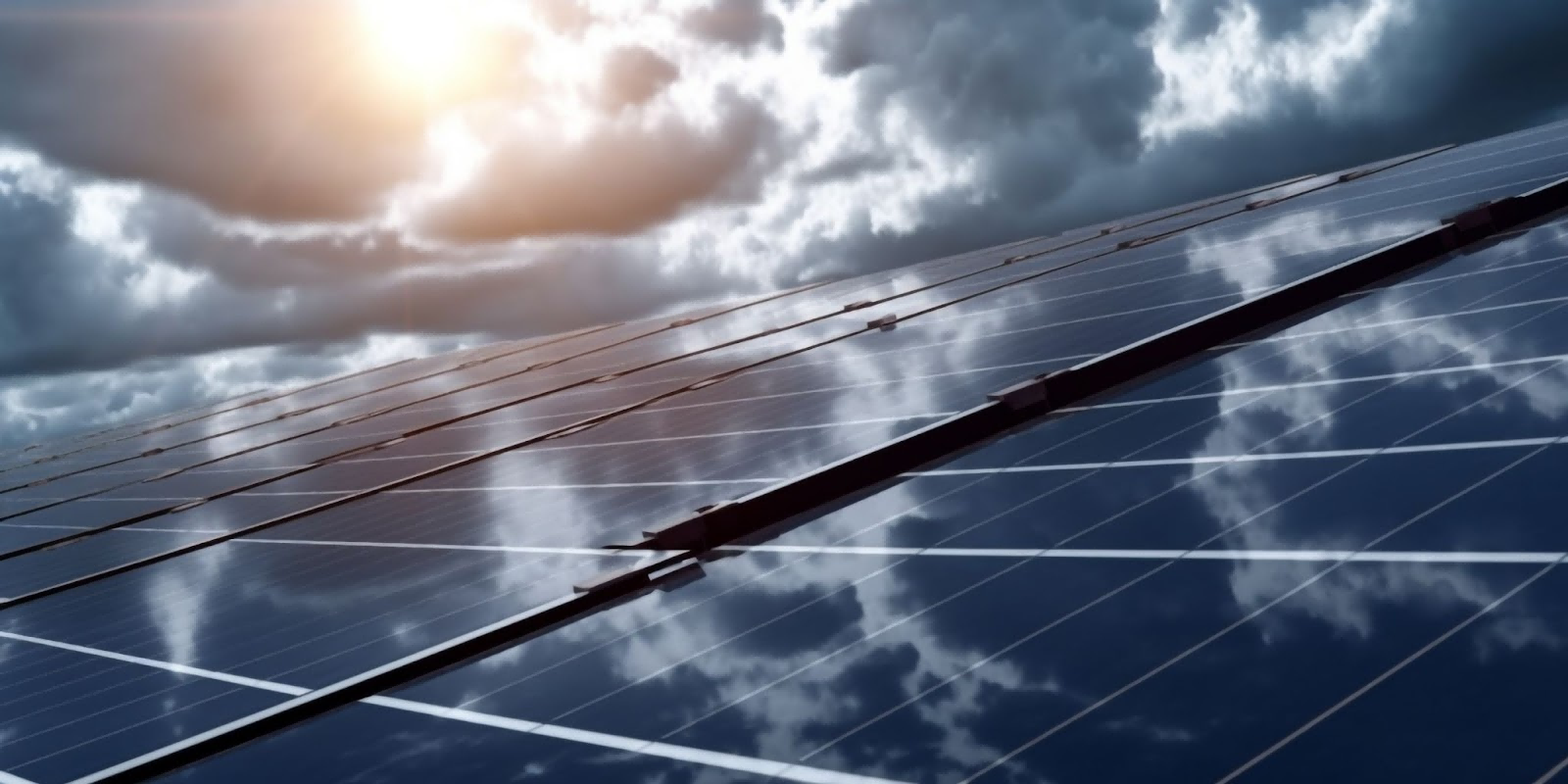
Affirmative. It is a common misconception that solar panels are unable to function on cloudy days. In fact, while they are not as effective as they would be on a sunny day, they can still produce power on overcast days. It is reasonable to anticipate a reduction in output of between 10 and 25 percent, with the precise figure depending on the thickness of the cloud cover. It is reasonable to expect a reduction in output of between 10 and 25 percent, depending on the thickness of the cloud cover. With a reduction of the efficiency on cloudy days, choosing the high-quality solar panel you can is more important, it can minimize power loss and maintain long life-span operation during cloudy days and nighttime.
The power of solar panels for solar street lights is usually between 10W and 120W, it depends on how tall and the overall size of the solar street light is, and the specific power size needs to be determined according to the demand and actual situation of solar street lights. For example, in ordinary lighting scenarios such as rural roads, a 50-100W solar panel is usually enough to meet the demand, while in poor lighting conditions or higher lighting requirements, you may need to choose a higher-power solar panel. Renounce the cheap solar panels and identify the substandard products. Check on the BOSUN® Lighting all-in-one solar street light.

How do solar panels work?
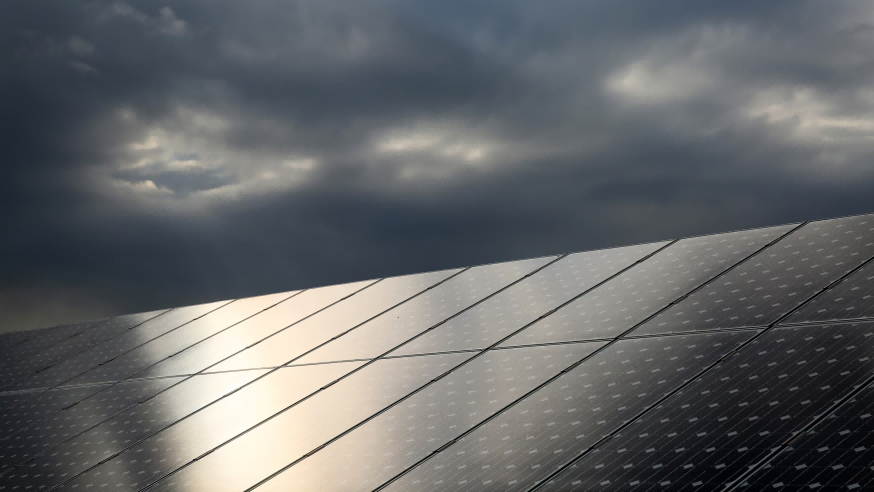
Solar panels work based on the photoelectric effect. When sunlight strikes the surface of monocrystalline silicon that BOSUN® Lighting has been instructed in solar panels, photons interact with atoms or electrons in the material, and if the energy of the photons is high enough, they can excite the electrons to form free electrons, which in turn generate an electric current in the material. In this process, light energy is converted into electrical energy and stored in the battery for nighttime illumination.
Factors influencing the choice of solar panels
Geographical and climatic conditions: In areas with continuous cloudy and rainy days or insufficient light, the charging efficiency of solar street lights will be reduced, affecting the lighting time and brightness. Extreme climatic conditions such as high latitude winters or frequent rainy seasons can also affect the performance of solar street light. Choose the top-notch solar street lights to reduce the power loss.
Solar panel efficiency: Solar panels have a limited energy conversion efficiency and not all the sunlight they receive can be converted into electricity. Therefore, the conversion efficiency index of the panels should be considered when selecting solar street light. BOSUN® Lighting solar street light instructs the grade-a high-quality monocrystalline silicon solar panel, with a high-efficiency charging rate > 23%, maximizing electricity production.
Equipment purchase and installation costs: The initial installation cost of solar streetlights is usually higher than that of conventional streetlights, including larger inputs of solar panels, batteries, lamps and control systems. It is therefore necessary to take full account of the balance between economic and environmental benefits when promoting adoption. From the long-run perspective, solar street light has the most cost-effective input-output ratio, also with the environmental benefit.
Practical examples and calculations of solar street light
For example, a 60-watt solar street light usually requires 80 to100 watt solar panel to ensure its proper operation. This is because the power of the solar panel is determined according to the intensity of the sunlight, and it also needs to take into account a variety of factors, such as weather conditions, installation location and so on. In addition, the actual power of the solar street light can be calculated by the following formula:
Solar panel power inverse: the actual power of the light source = solar panel power × peak sunshine hours / light source full power operating time
The effect of cloudy weather on the charging efficiency of solar panels
On cloudy days, solar panels cannot provide enough energy for efficient charging because the light intensity and characteristics are different from sunlight. The weaker light on cloudy days results in slower charging speeds, and it usually takes longer to complete charging.
Differences in the performance of different solar panels on cloudy days
Monocrystalline Solar Panels
Monocrystalline silicon solar panels are made from a single crystalline silicon and usually have a dark blue or black appearance. Advantages include high efficiency (typically between 18% and 24%), long lifetime and good stability. However, the production process of monocrystalline silicon is complex and requires high-purity silicon material, resulting in its higher cost which BOSUN® Lighting uses.
Monocrystalline silicon solar panels are made from a single crystalline silicon and usually have a dark blue or black appearance. Advantages include high efficiency (typically between 18% and 24%), long lifetime and good stability. However, the production process of monocrystalline silicon is complex and requires high-purity silicon material, resulting in its higher cost which BOSUN® Lighting uses.
Polycrystalline silicon solar panels
Polycrystalline silicon solar panels are made by melting multiple pieces of silicon crystals and usually have a blue color appearance. Advantages include lower cost and an environmentally friendly production process. Disadvantages include slightly lower efficiency than monocrystalline silicon (usually between 14% and 18%) and a larger footprint.
Polycrystalline silicon solar panels are made by melting multiple pieces of silicon crystals and usually have a blue color appearance. Advantages include lower cost and an environmentally friendly production process. Disadvantages include slightly lower efficiency than monocrystalline silicon (usually between 14% and 18%) and a larger footprint.
Amorphous silicon solar panels
Amorphous silicon solar panels are very thin, less than 1/100th of the thickness of crystalline silicon solar panels, and are suitable for conserving silicon, which is in tight supply. The advantages are low manufacturing cost, low energy consumption, and suitability for mass production. The disadvantages are relatively low conversion efficiencies (typically between 7% and 14%) and a short service life.
Amorphous silicon solar panels are very thin, less than 1/100th of the thickness of crystalline silicon solar panels, and are suitable for conserving silicon, which is in tight supply. The advantages are low manufacturing cost, low energy consumption, and suitability for mass production. The disadvantages are relatively low conversion efficiencies (typically between 7% and 14%) and a short service life.
Thin-film solar panels
Thin-film solar panels include copper indium gallium selenide (CIGS) and chalcogenide PV panels.CIGS PV panels are flexible and lightweight, and are suitable for use in flexible installations as well as on building facades and roofs. Chalcogenide PV panels have high conversion efficiencies and a variety of appearances, making them suitable for high-end commercial and industrial use.
Thin-film solar panels include copper indium gallium selenide (CIGS) and chalcogenide PV panels.CIGS PV panels are flexible and lightweight, and are suitable for use in flexible installations as well as on building facades and roofs. Chalcogenide PV panels have high conversion efficiencies and a variety of appearances, making them suitable for high-end commercial and industrial use.
Organic Semiconductor Solar Panels
Organic semiconductor solar panels are made from organic semiconductor-doped glass substrates and are thin, lightweight, bendable, and easy to install. The advantages are low cost, cuttable, bendable and suitable for low power applications. The disadvantages are lower conversion efficiency and stability.
Organic semiconductor solar panels are made from organic semiconductor-doped glass substrates and are thin, lightweight, bendable, and easy to install. The advantages are low cost, cuttable, bendable and suitable for low power applications. The disadvantages are lower conversion efficiency and stability.
FAQs about solar panels' efficiency on cloudy days
How efficient are solar panels on cloudy days?
Solar panels still generate electricity on cloudy days, but their efficiency can be reduced by around 20-30% compared to sunny conditions. The amount of energy produced depends on cloud coverage and panel type.
Solar panels still generate electricity on cloudy days, but their efficiency can be reduced by around 20-30% compared to sunny conditions. The amount of energy produced depends on cloud coverage and panel type.
Why do solar panels still work on cloudy days?
Solar panels generate electricity from the sunlight that reaches the Earth, even when it’s cloudy. The diffuse light passing through the clouds can still be captured by the solar cells.
Solar panels generate electricity from the sunlight that reaches the Earth, even when it’s cloudy. The diffuse light passing through the clouds can still be captured by the solar cells.
How much power do solar panels generate on overcast days?
On cloudy days, solar panels produce less power, but they continue to generate energy, typically around 50-60% of their normal output under full sun.
On cloudy days, solar panels produce less power, but they continue to generate energy, typically around 50-60% of their normal output under full sun.
How do solar panels handle intermittent cloud cover?
Solar panels adjust to changing light conditions throughout the day. With intermittent cloud cover, they may produce fluctuating amounts of electricity, but modern systems are equipped with charge controllers to efficiently manage energy storage.
Solar panels adjust to changing light conditions throughout the day. With intermittent cloud cover, they may produce fluctuating amounts of electricity, but modern systems are equipped with charge controllers to efficiently manage energy storage.
Do solar panel systems have a backup during cloudy days?
Yes, many solar systems are connected to grid power or have battery storage to ensure a consistent energy supply even during cloudy weather or nighttime.
Yes, many solar systems are connected to grid power or have battery storage to ensure a consistent energy supply even during cloudy weather or nighttime.
How can I ensure optimal solar panel performance on cloudy days?
Choosing high-efficiency panels, optimizing panel orientation, and investing in adequate battery storage can help ensure better energy generation on cloudy days.
Choosing high-efficiency panels, optimizing panel orientation, and investing in adequate battery storage can help ensure better energy generation on cloudy days.
Hot-Cake Solar Street Lights


 Smart Street Light Deployment for Transportation Infrastructure in Indonesia
  What Is a NEMA Controller?
  Best Solar Street Light Manufacturer? Start With These Questions
  Full-Scope Solar Street Lighting Packages & Custom Solutions for Municipalities & Developers
  Cloud-Synergy Smart Street Light Surveillance System for Smart City Development
  How Do Solar Lights Work?
 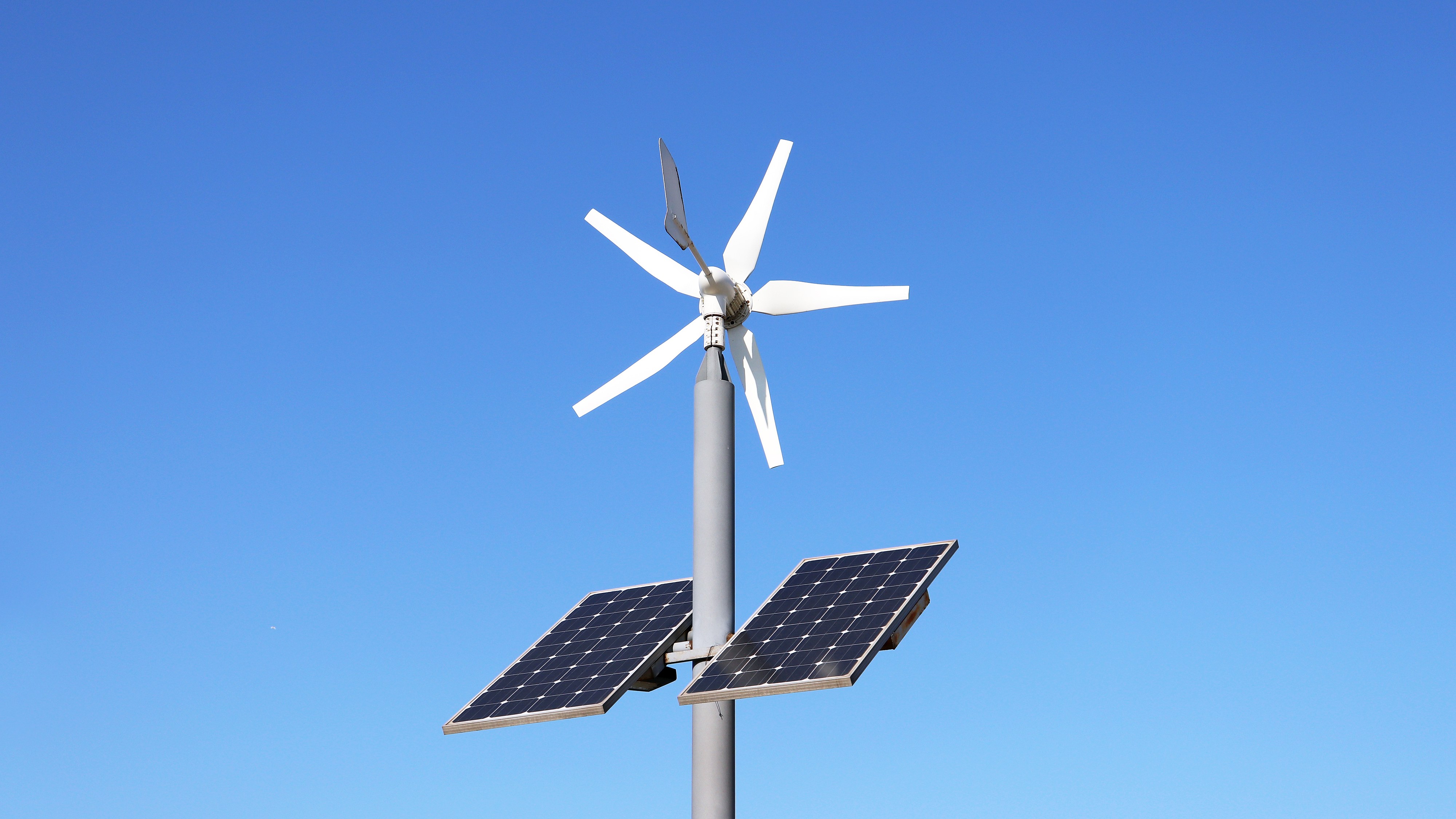 Clarification about Solar Wind Turbine Street Light: Preferred Choice for Remote Area Lighting & Wind Power System
  The Most Intelligible Instruction about Intelligent Solar Street Light & Engineering Project Showcase
  Integrated solar street lights promote urban lighting progress
 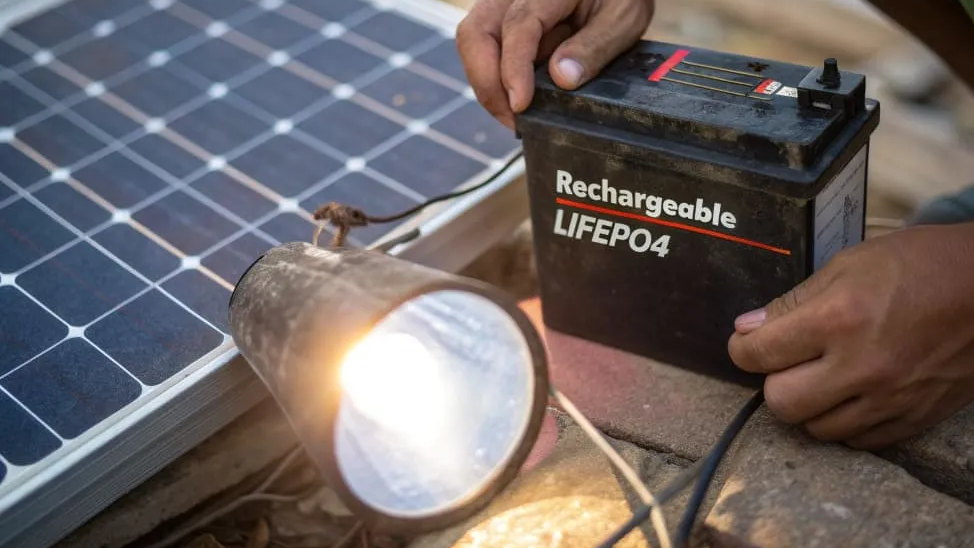 What is the Life Expectancy of the Solar Panel, LED Fixture, and LiFePO4 Batteries?
  Feasibility of LED Photovoltaic Lighting System in Municipal Construction
  Roadway Lighting Solutions | JH Series for Municipal Projects
  How to Design & Realize LoRa-MESH IoT Solar Street Light City Project?
  How to Design the Perfect Well-Considered Smart Light Pole City Road Lighting Solution?
  Design and Application of All-in-One Solar Street Light with MPPT Charge Controller
  The Ultimate Guide to City Street Light Poles and Smart LED Lighting
  Understanding the Differences Between All-in-One, All-in-Two, and Split Solar LED Street Lights
  Applications and Fundamentals of Lithium Batteries in Solar Street Lights
  Smart Pole Accessory Modules for Middle East Smart Cities
  Hybrid Solar Street Lighting: Renewable Energy Pros and Cons of Solar, Wind, and the Future