
Clarification about Solar Wind Turbine Street Light: Preferred Choice for Remote Area Lighting & Wind Power System







Solar Wind Turbine Street Light: The Hybrid Power of Nature

What is a Solar Wind Turbine Street Light?
Pull Into Hybrid Wind-Solar Sustainable Energy For Electricity Generation
Renewable Energy Pros and Cons: Solar, Wind, and the Future of Hybrid Street Lighting

Composition: What Are Its Main Components?

The vertical wind turbine is the heart of the wind component.
Unlike the traditional horizontal-axis wind turbine, a vertical design (e.g., Savonius or Darrieus type) captures wind from any direction, making it efficient in urban or mountainous environments where wind direction changes frequently.
The wind generator components include blades, rotor, stator, bearings, and generator core.
It starts generating power at wind speeds as low as 2.5–3 m/s, maintaining operation in moderate or turbulent conditions.
The intelligent hybrid controller coordinates energy from both sources — solar and wind — to charge the battery safely and efficiently.
It uses MPPT (Maximum Power Point Tracking) algorithms to extract optimal energy from each input while preventing overcharging or overdischarging.
Modern systems use LiFePO₄ (lithium iron phosphate) batteries, known for long lifespan (8–12 years) and temperature stability.
Batteries store excess energy to ensure lighting continues through multiple cloudy or windless days.
High-efficiency LED lamp fixtures (≥160 lm/W) provide consistent illumination.
The pole integrates the solar panel and turbine on top for maximum exposure.
The entire assembly is corrosion-resistant and designed to withstand wind speeds up to 150 km/h.
Applications and Fundamentals of Lithium Batteries in Solar Street Lights
How Does the Solar Wind Turbine Street Light Work?
The hybrid operation ensures round-the-clock power generation:
Daytime: Solar Energy Dominates
Solar panels capture sunlight and convert it into DC electricity.
The controller directs the electricity to charge the battery.
Surplus power is stored for night use.
Nighttime or Cloudy Weather: Wind Energy Takes Over
When solar input decreases, the vertical wind generator begins supplying power.
The hybrid controller manages the balance, drawing from wind power or stored battery energy to operate the LED fixture.
Wind and solar are both available; the BOSUN high-quality controller blends both inputs perfectly.
This synergy between solar vs wind energy sources ensures continuous illumination regardless of weather or time of day.

How Much Energy Does a Solar Wind Turbine Street Light Save?


Compared to grid-powered street lighting, a hybrid system can save 100% of electricity costs, as it’s entirely self-sustaining. In areas with 5 kWh/m²/day solar irradiance and average wind speeds of 4–6 m/s:
Each hybrid street light (with 300W solar + 400W wind) can produce 800–1,000 kWh/year, equivalent to saving around 0.5 tons of CO₂ emissions annually.
Over 10 years, a system of 100 lights can offset 5,000 tons of CO₂ and eliminate tens of thousands of dollars in grid energy costs.
Advantages of Solar Wind Turbine Street Lights

Factors to Consider Before Buying or Installing
Ideal sites have average annual wind speeds of ≥4 m/s and 4–6 kWh/m²/day of solar radiation.
System Sizing:
Ensure correct matching between solar panel, wind turbine capacity, and battery autonomy (3–5 days backup).
Vertical vs Horizontal Turbines:
Vertical turbines are safer, quieter, and more efficient in variable winds; horizontal turbines are better for open, windy fields.
Material and Coating:
For coastal areas, use marine-grade aluminum poles and hot-dip galvanized steel.
Controller Type:
Always use a Pro-Double MPPT solar charge controller and fan controller for efficient dual-input management.
Installation Height and Safety:
Poles should be designed for ≥150 km/h wind load and comply with local electrical and civil codes.
BOSUN Solar Panels and Wind Turbines Street Light


The Future of Hybrid Lighting Systems
FAQs About Solar and Wind Generators Street Light
A small vertical wind turbine for street lighting typically produces 200–800W rated power, generating 400–1,000 kWh per year, depending on wind speed.
Most small vertical wind generators rotate at 100–400 rpm, while large utility turbines run slower (10–20 rpm) due to longer blades.
Large offshore turbines have blades up to 108 meters long, while small vertical wind turbines for street lights have blades around 1–2 meters.
Horizontal axis wind turbine (HAWT): Common for large wind farms; requires directional alignment.
Vertical axis wind turbine (VAWT): Captures wind from any direction, ideal for urban and hybrid applications like street lights.
A small hybrid solar and wind generator for street lighting produces up to 1,000 kWh/year, while utility-scale wind turbines can generate 4–15 million kWh/year.
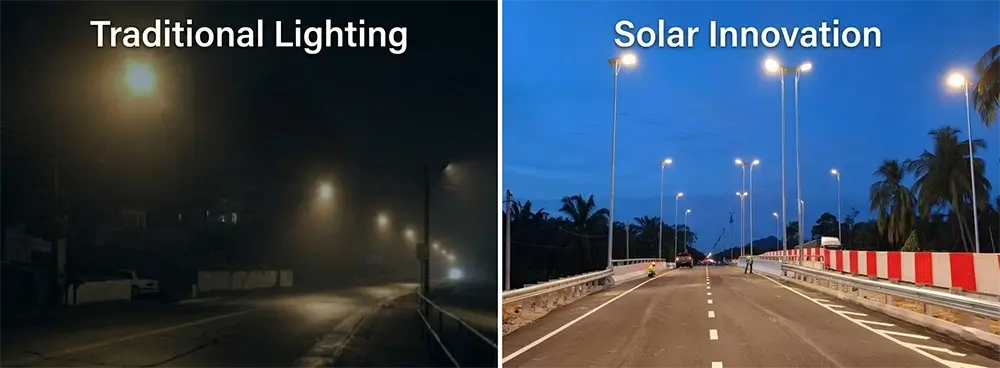 Smart Street Light Deployment for Transportation Infrastructure in Indonesia
 What Is a NEMA Controller?
 Best Solar Street Light Manufacturer? Start With These Questions
 Full-Scope Solar Street Lighting Packages & Custom Solutions for Municipalities & Developers
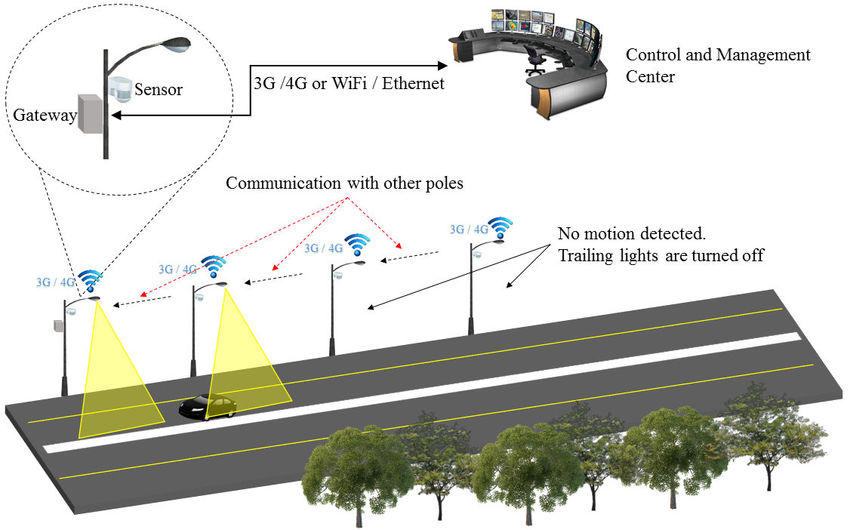 Cloud-Synergy Smart Street Light Surveillance System for Smart City Development
 How Do Solar Lights Work?
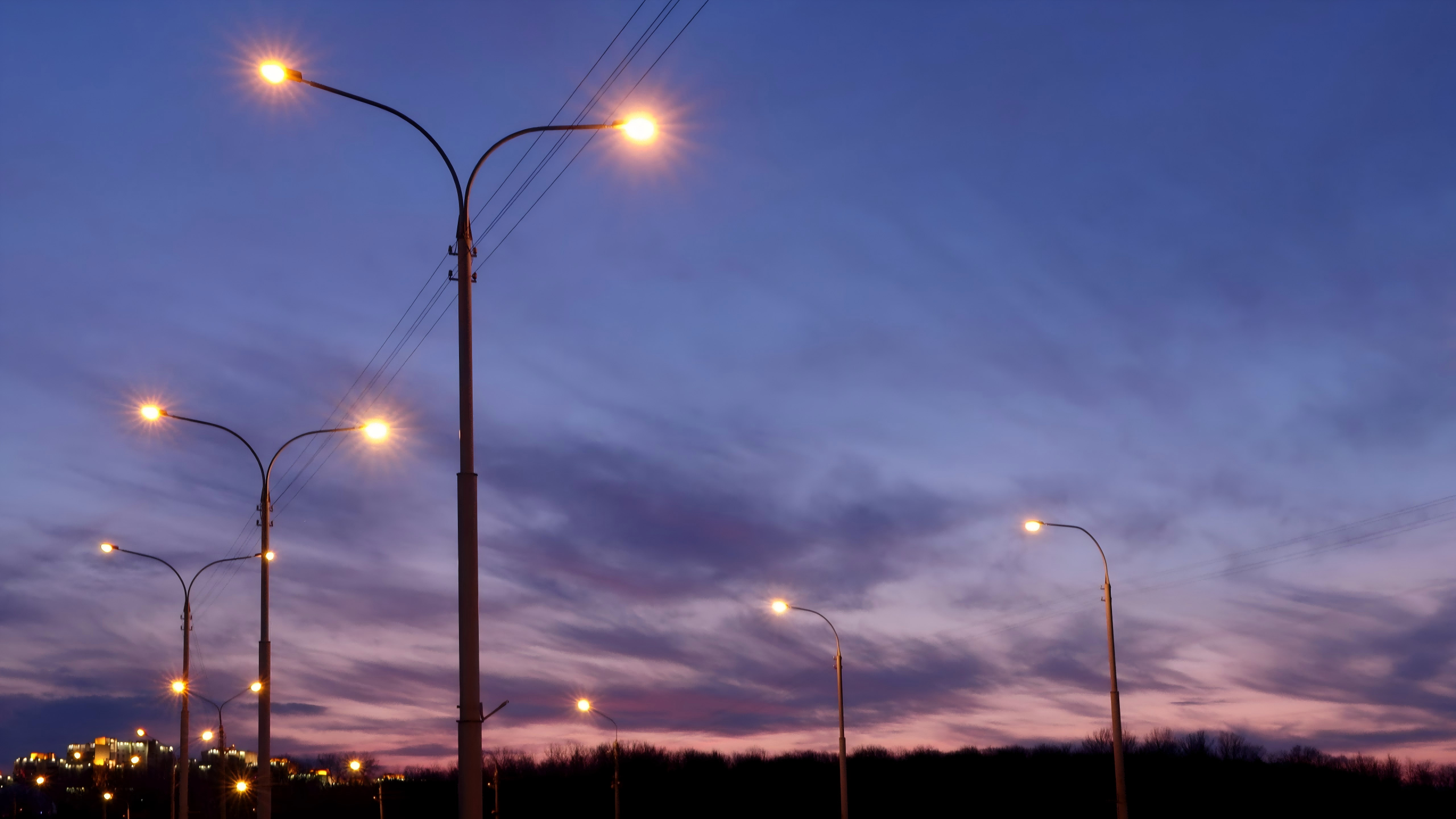 The Most Intelligible Instruction about Intelligent Solar Street Light & Engineering Project Showcase
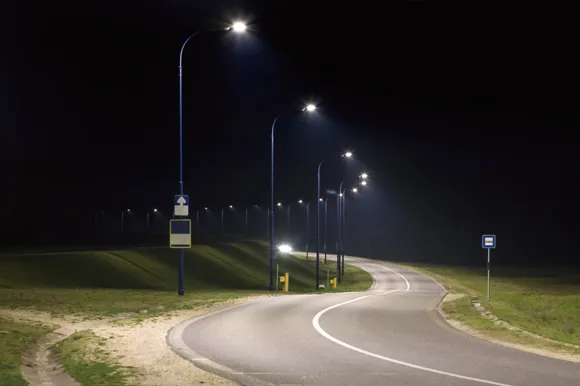 Integrated solar street lights promote urban lighting progress
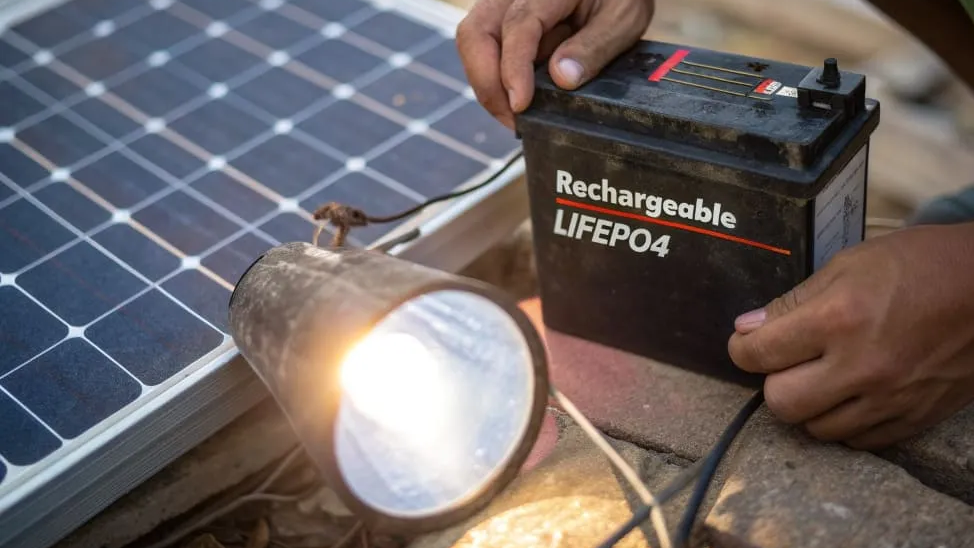 What is the Life Expectancy of the Solar Panel, LED Fixture, and LiFePO4 Batteries?
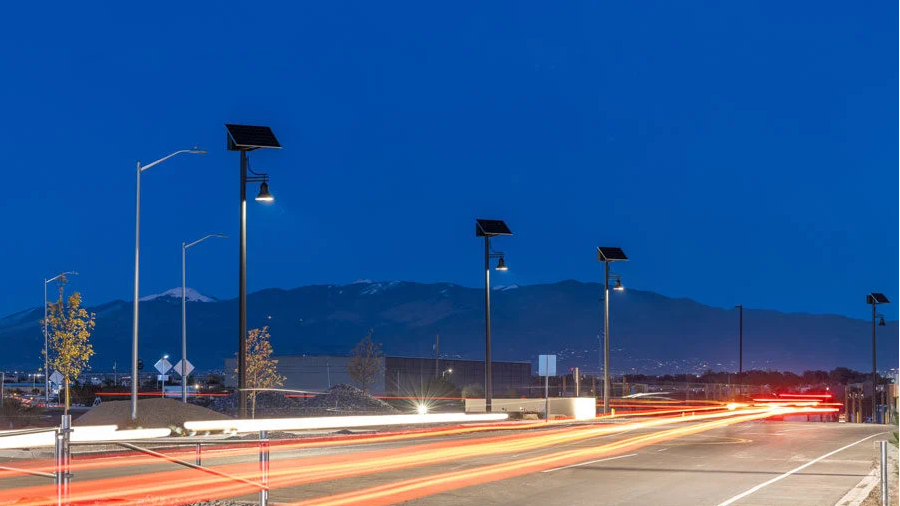 Feasibility of LED Photovoltaic Lighting System in Municipal Construction
 Roadway Lighting Solutions | JH Series for Municipal Projects
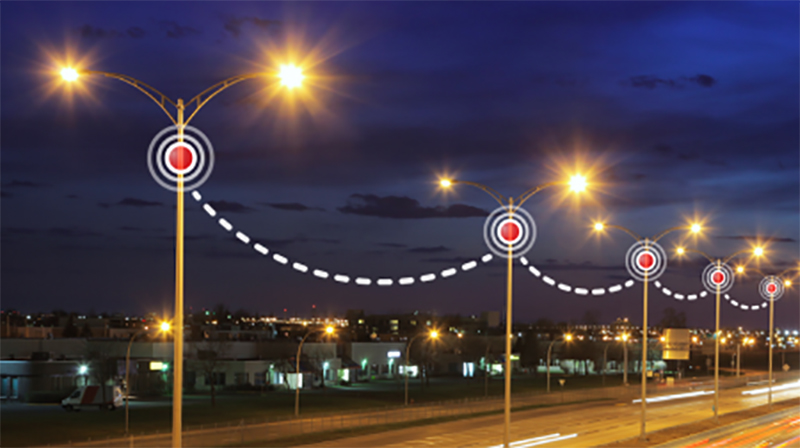 How to Design & Realize LoRa-MESH IoT Solar Street Light City Project?
 How to Design the Perfect Well-Considered Smart Light Pole City Road Lighting Solution?
 Design and Application of All-in-One Solar Street Light with MPPT Charge Controller
 The Ultimate Guide to City Street Light Poles and Smart LED Lighting
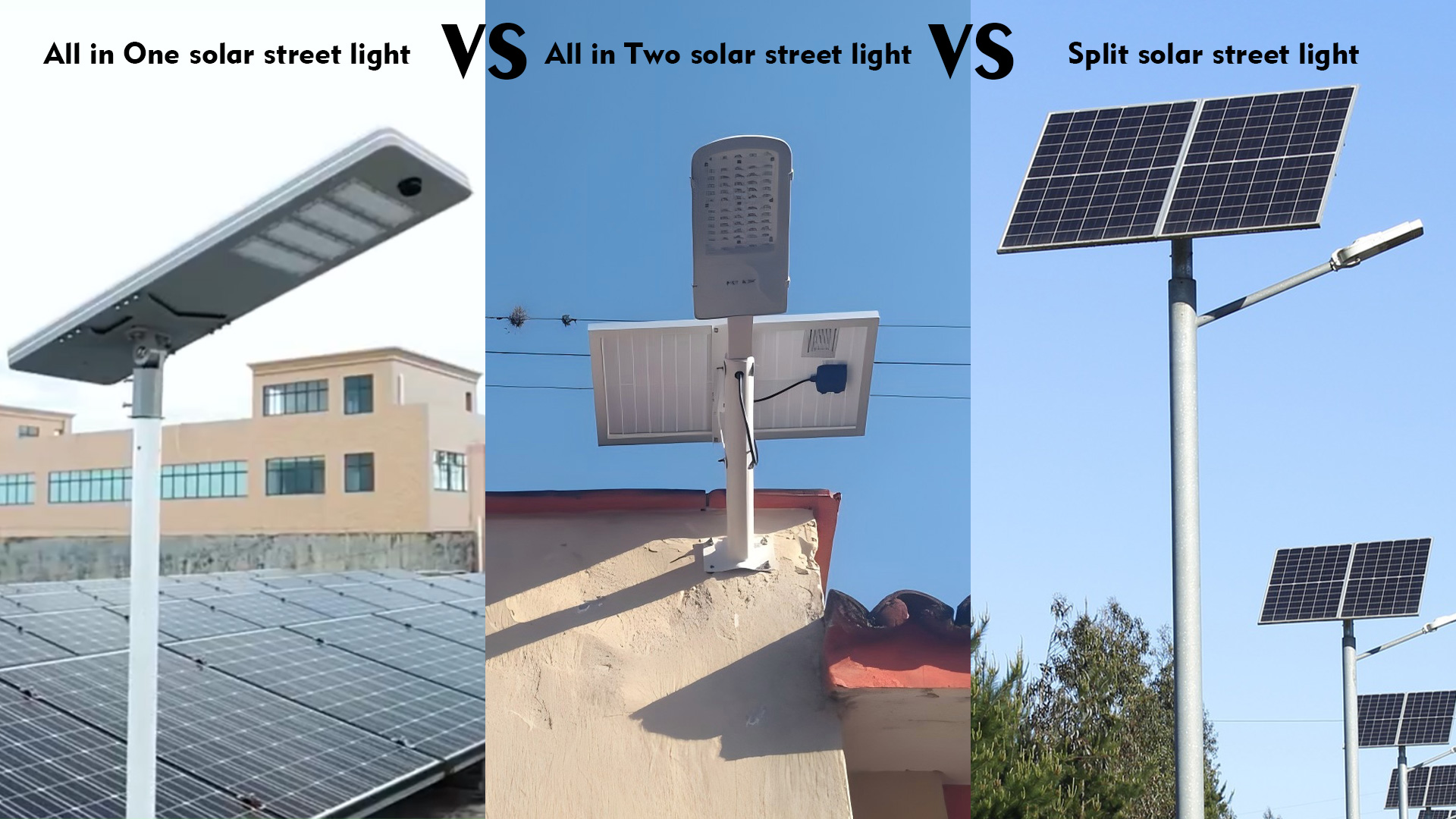 Understanding the Differences Between All-in-One, All-in-Two, and Split Solar LED Street Lights
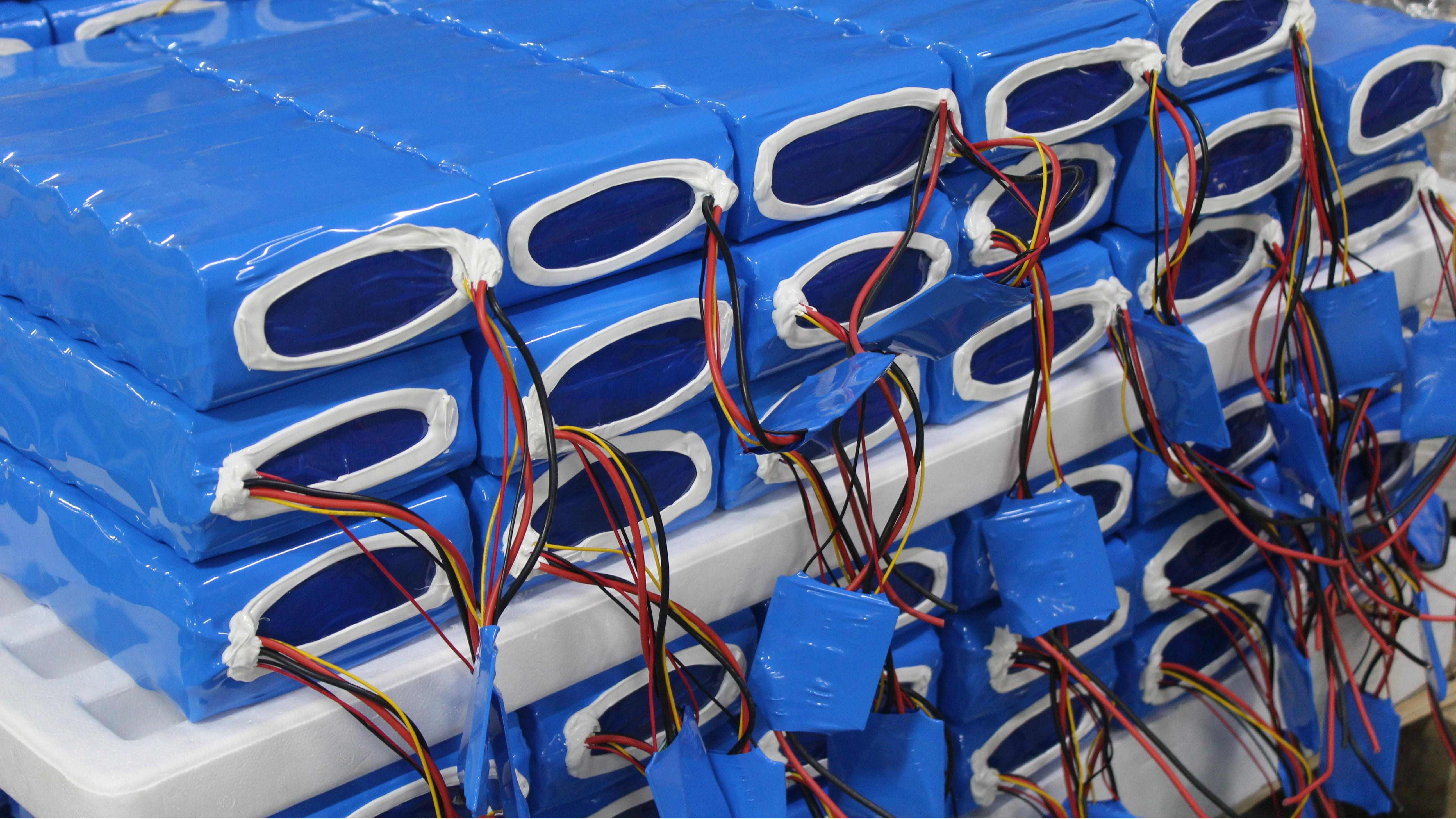 Applications and Fundamentals of Lithium Batteries in Solar Street Lights
 Smart Pole Accessory Modules for Middle East Smart Cities
 Hybrid Solar Street Lighting: Renewable Energy Pros and Cons of Solar, Wind, and the Future
 Solar Flood Lights Transforming Sports Facilities