
How to Design the Perfect Well-Considered Smart Light Pole City Road Lighting Solution?







Roadside Exterior Smart Lighting Design Requirements
- 1.1 Smart Road Light Pole Structural Design
The functional configuration of the roadside intelligent light pole needs to be closely integrated with the needs of the intelligent transportation system, including video monitoring, data transmission, environmental monitoring and other aspects.
(1) Video monitoring is one of the basic functions of the urban roadside intelligent light pole, through the installation of cameras and other sensors, real-time monitoring of traffic flow, driving speed, traffic violations and other situations can be realized, these data are important for traffic management and accident prevention.
(2) Data transmission function is also indispensable, which requires the intelligent light pole to be equipped with efficient communication equipment, such as 4G/LTE base station, Wi-Fi or LoRa-MESH transmitter, etc., to ensure high-speed data transmission and real-time performance.
(3) Environmental monitoring is also one of the important functions of the urban road intelligent integrated pole light, through the installation of meteorological sensors, air quality monitoring equipment, etc., the environmental conditions can be monitored in real time, providing data support for urban environmental management and emergency response.
(4) The smart road light can also be equipped with some public service functions, such as SOS emergency help system, public LED lighting, electronic billboards for commercial display and promotion, etc. The addition of these functions will make the smart light pole become an important part of the smart city and provide more convenience for the public.
Urban Road Smart Street Lighting Installation Design & Layout
- 2.1 Preparation before installation
- 2.2 Installation process
In the installation process of the urban road intelligent pole, the foundation should be excavated first, and the depth and width of the excavation should be determined according to the geological conditions and the load-bearing requirements of the pole. Concrete is poured after the foundation excavation is completed, and the proportion and quality of the concrete must meet the construction requirements to ensure the sturdiness and durability of the base. The design of the foundation also needs to consider the installation of a drainage system to avoid rainwater accumulation that could lead to damage or instability of the foundation. In the process of infrastructure, but also need to pay attention to the base and the ground connection, usually using expansion bolts or welding and other ways to fix the base and the ground to ensure the stability of the base in the wind, earthquakes and other external forces. In addition, in order to ensure electrical safety, also needs to be set up the grounding system in the base, so that in the event of lightning and other natural disasters, can effectively guide the current to the ground, to avoid damage to the light pole and equipment.
Before the pole installation, the pre-assembled pole should be transported to the site, and special attention should be paid to protect the pole during transportation to avoid damage to the pole coating in transportation. After arriving at the site, the pole is first vertically corrected and then bolted or welded to fix the pole to the already built base. In the process of fixing, it is necessary to ensure the firmness and accuracy of the connection to avoid loosening or tilting of the pole in the course of use.
(1) Check and debug the various devices installed on the pole (e.g. traffic monitoring camera, communication module, environment sensor, etc.) one by one to confirm whether the physical connection of the devices is firm, whether the power supply and data lines are properly connected, and whether the device software is updated to the latest version.
(2) After the hardware check and connection confirmation are completed, debug the system software. Check the network configuration, parameter settings, etc., and adjust the surveillance camera screen to ensure the clarity and coverage of the surveillance screen. For communication equipment, network testing is required to ensure the stability and speed of data transmission.
(3) Calibrate the environmental sensors to ensure the accuracy of the monitoring data. In the commissioning process, each piece of equipment needs to be strictly tested and verified to ensure that it can work stably in actual operation and achieve the expected results.
(4) Finally, the overall test of the system is carried out, including the stability test of the system, emergency response test, etc., to comprehensively verify the function and performance of the system.
Exterior Smart Light Maintenance and Management
- 3.1 Maintenance Strategy
- 3.2 Troubleshooting and Processing
- 3.3 System Upgrade and Maintenance
(2) Upgrading hardware includes replacing aging or obsolete equipment such as cameras, sensors or communication modules. When selecting new hardware, its performance, stability and compatibility with the existing system should be considered. Hardware upgrading should be carried out under the guidance of professionals to install and configure the new hardware correctly to ensure the smooth operation of the whole system.


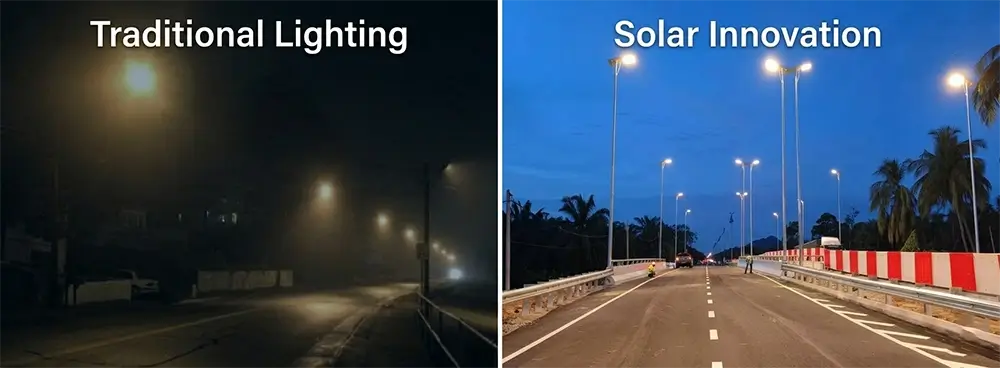 Smart Street Light Deployment for Transportation Infrastructure in Indonesia
  What Is a NEMA Controller?
  Best Solar Street Light Manufacturer? Start With These Questions
  Full-Scope Solar Street Lighting Packages & Custom Solutions for Municipalities & Developers
 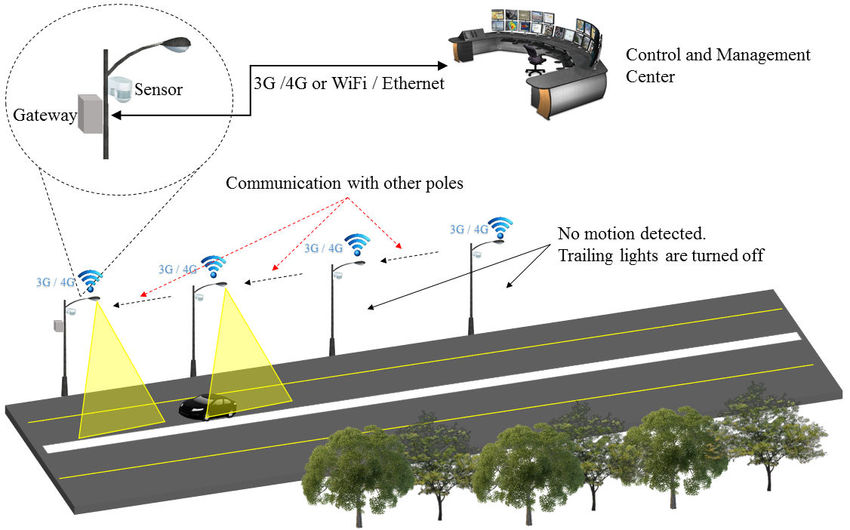 Cloud-Synergy Smart Street Light Surveillance System for Smart City Development
  How Do Solar Lights Work?
  Clarification about Solar Wind Turbine Street Light: Preferred Choice for Remote Area Lighting & Wind Power System
  The Most Intelligible Instruction about Intelligent Solar Street Light & Engineering Project Showcase
 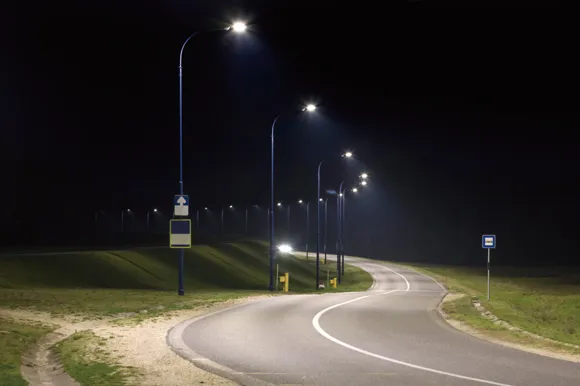 Integrated solar street lights promote urban lighting progress
 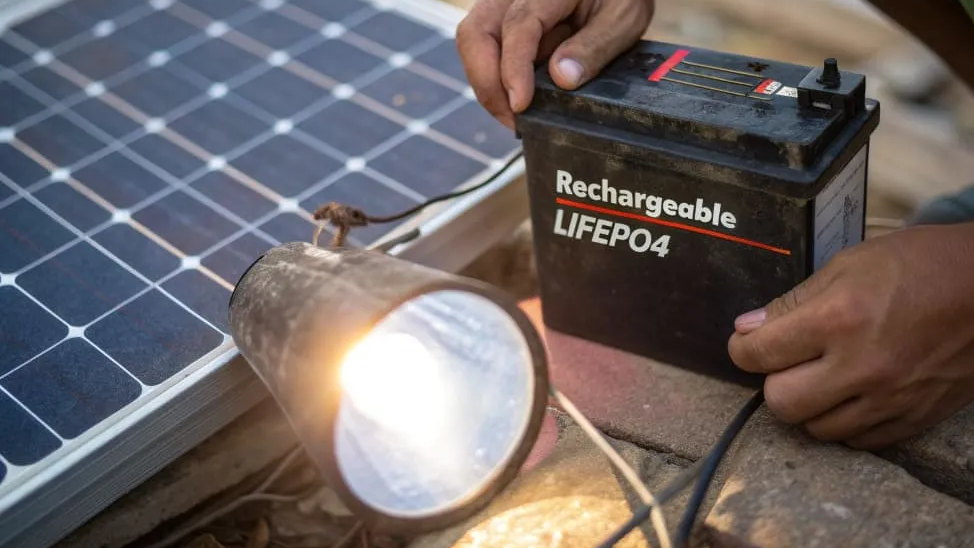 What is the Life Expectancy of the Solar Panel, LED Fixture, and LiFePO4 Batteries?
 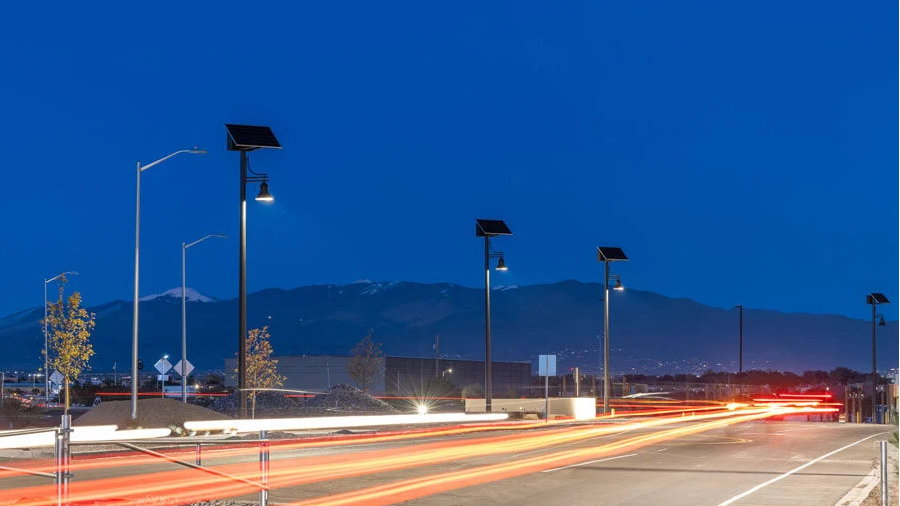 Feasibility of LED Photovoltaic Lighting System in Municipal Construction
  Roadway Lighting Solutions | JH Series for Municipal Projects
 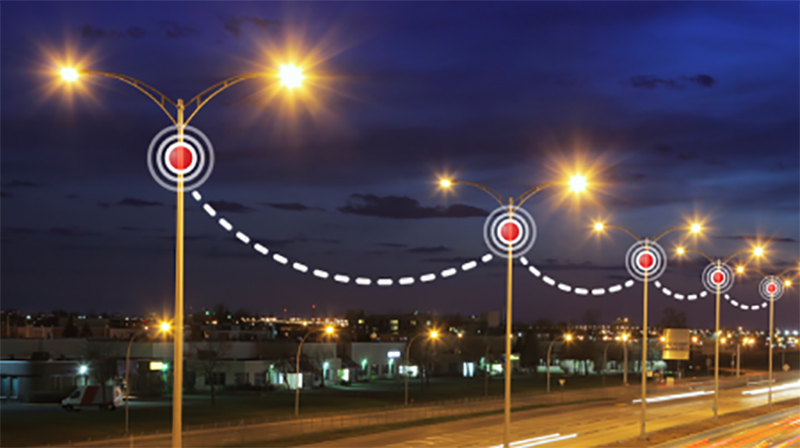 How to Design & Realize LoRa-MESH IoT Solar Street Light City Project?
  Design and Application of All-in-One Solar Street Light with MPPT Charge Controller
  The Ultimate Guide to City Street Light Poles and Smart LED Lighting
 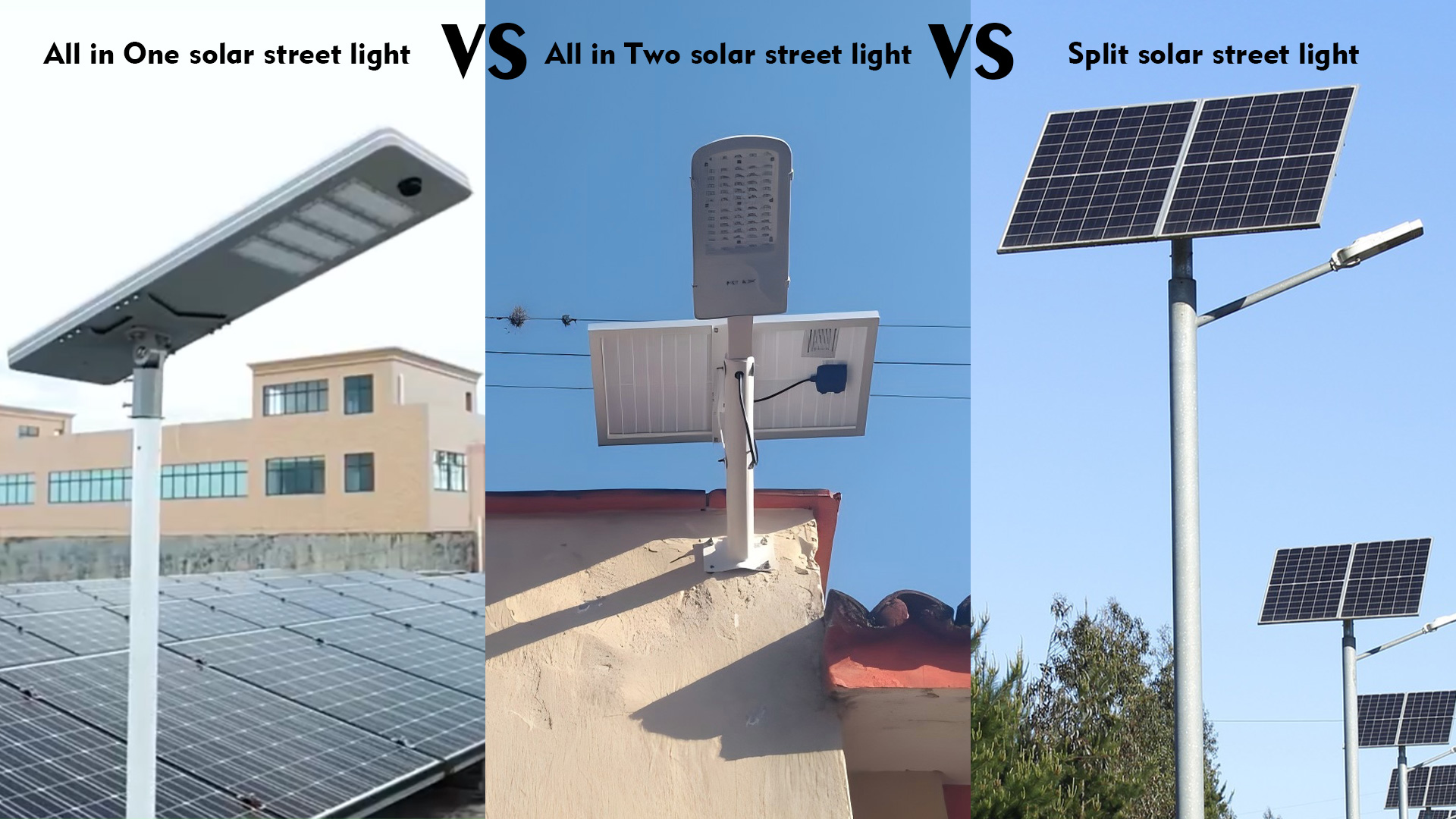 Understanding the Differences Between All-in-One, All-in-Two, and Split Solar LED Street Lights
 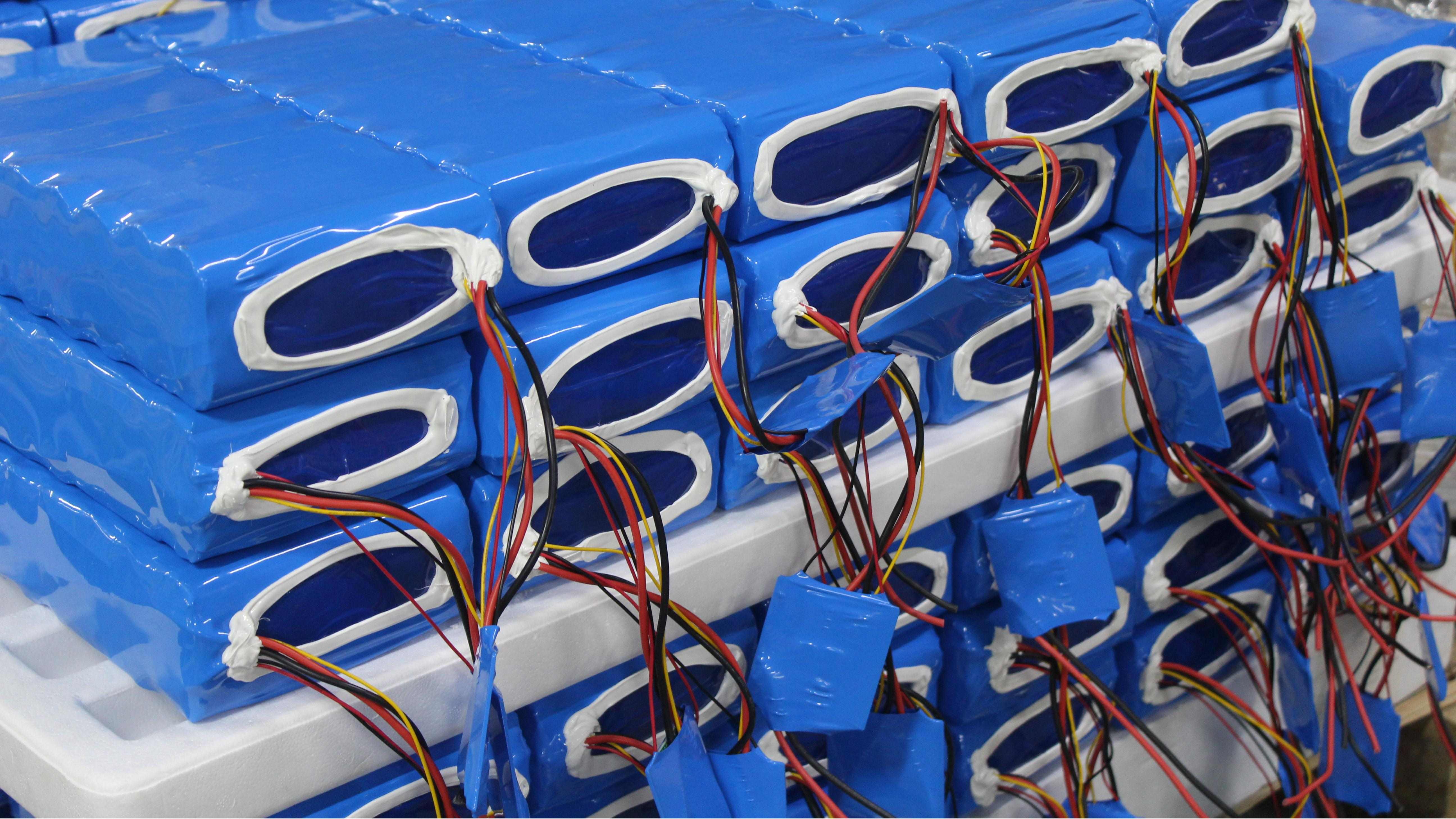 Applications and Fundamentals of Lithium Batteries in Solar Street Lights
  Smart Pole Accessory Modules for Middle East Smart Cities
  Hybrid Solar Street Lighting: Renewable Energy Pros and Cons of Solar, Wind, and the Future
  Solar Flood Lights Transforming Sports Facilities