
Different roads, traffic conditions, power supply conditions, and urban functions require different lighting systems. Main urban roads usually require stable, high-power grid-connected LED street lights. Remote roads and newly developed areas may be more suitable for solar street lights. Highways need high-uniformity, high-reliability road lighting systems. Residential communities and public plazas increasingly require smart lighting systems with dimming, monitoring, and energy-saving control. Central business districts and landmark zones may need multifunctional smart poles.
What is Urban Lighting Design & Its Significance
Municipal Road Lighting Design
| Urban Road Extensions, IoT Network Upgrades, City Lighting Improvements |
Public bidding led by the Government Finance Procurement, Transportation Bureau, and Urban Lighting Bureau
Urban Lighting Design Process
Road classification
Highwaysarterial
roadsresidential streets
parks and pathways
Illumination calculation



Municipal Road Lighting Upgrade Project
Urban Road Expansion
Road Network Upgrades
Urban Lighting Retrofits
Municipal roads form the backbone of urban transportation systems. These roads include arterial streets, main traffic corridors, intersections, and urban highways that carry heavy vehicle flow and require consistent, high-quality illumination.
Municipal road lighting must prioritize: traffic safety, uniform illumination, glare control, long-term reliability, and energy efficiency.
Municipal Road Lighting Design
Urban road expansion projects require not only widening the roadway but also redesigning the lighting infrastructure to maintain safety, energy efficiency, and long-term operational sustainability.
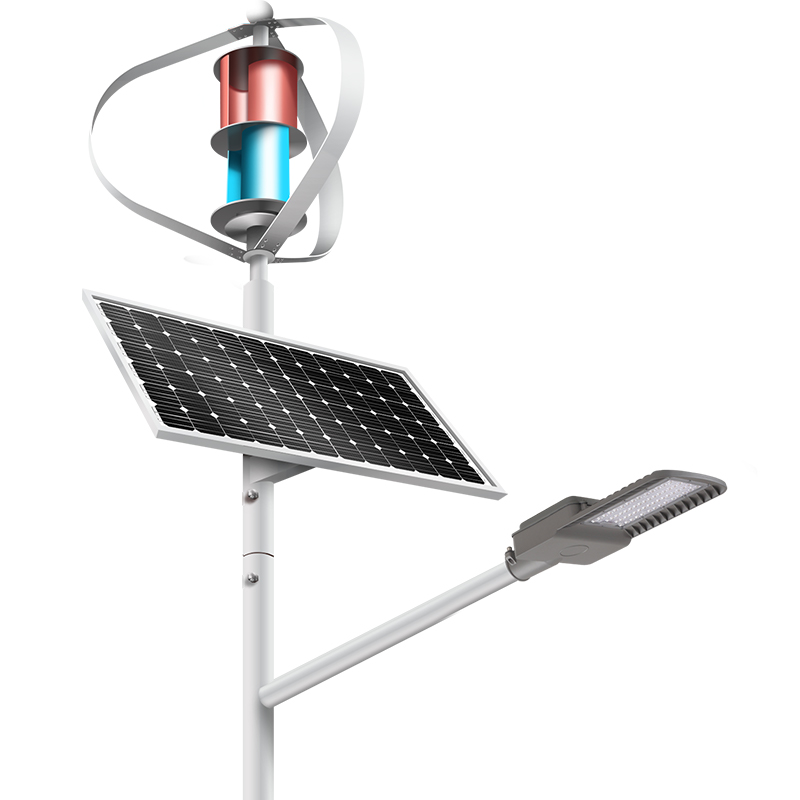
Urban Road Expansion - Solar Street Light Design

Road Network Upgrades - Smart Street Light Optimization with IoT
As cities modernize their transportation infrastructure, upgrading the road network isn't just about pavement and traffic flow—it's also the perfect opportunity to transform traditional street lighting into smart, connected systems using IoT technology.


Urban lighting retrofits involve replacing outdated, inefficient, or deteriorated street lighting infrastructure with modern, energy-efficient, and intelligent LED street lighting systems.
Urban Street Lighting Retrofits Modernizing the City Through Light


Before
After
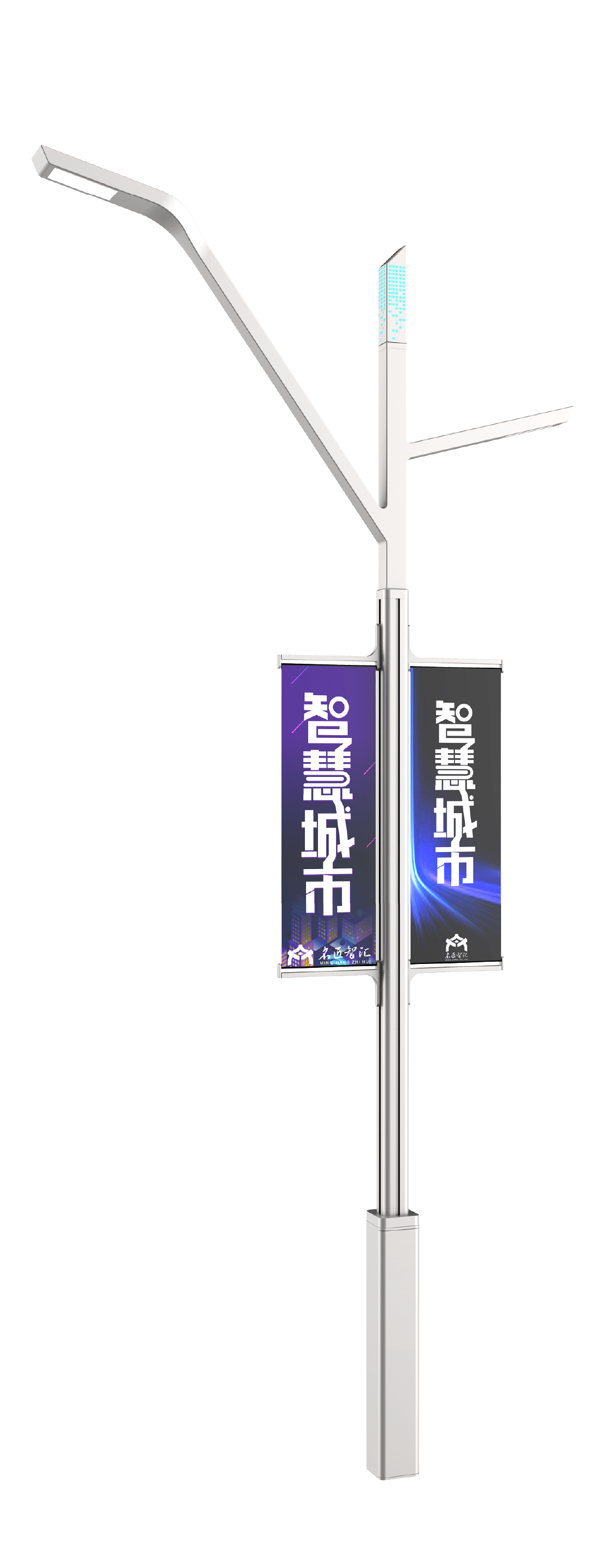

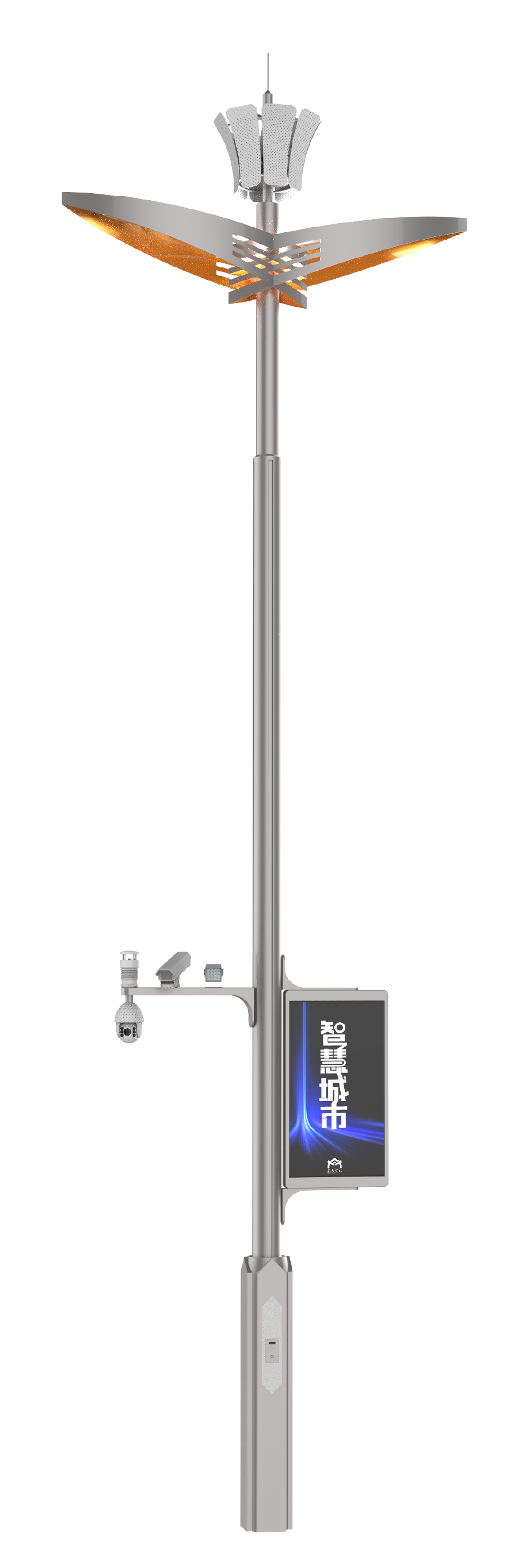
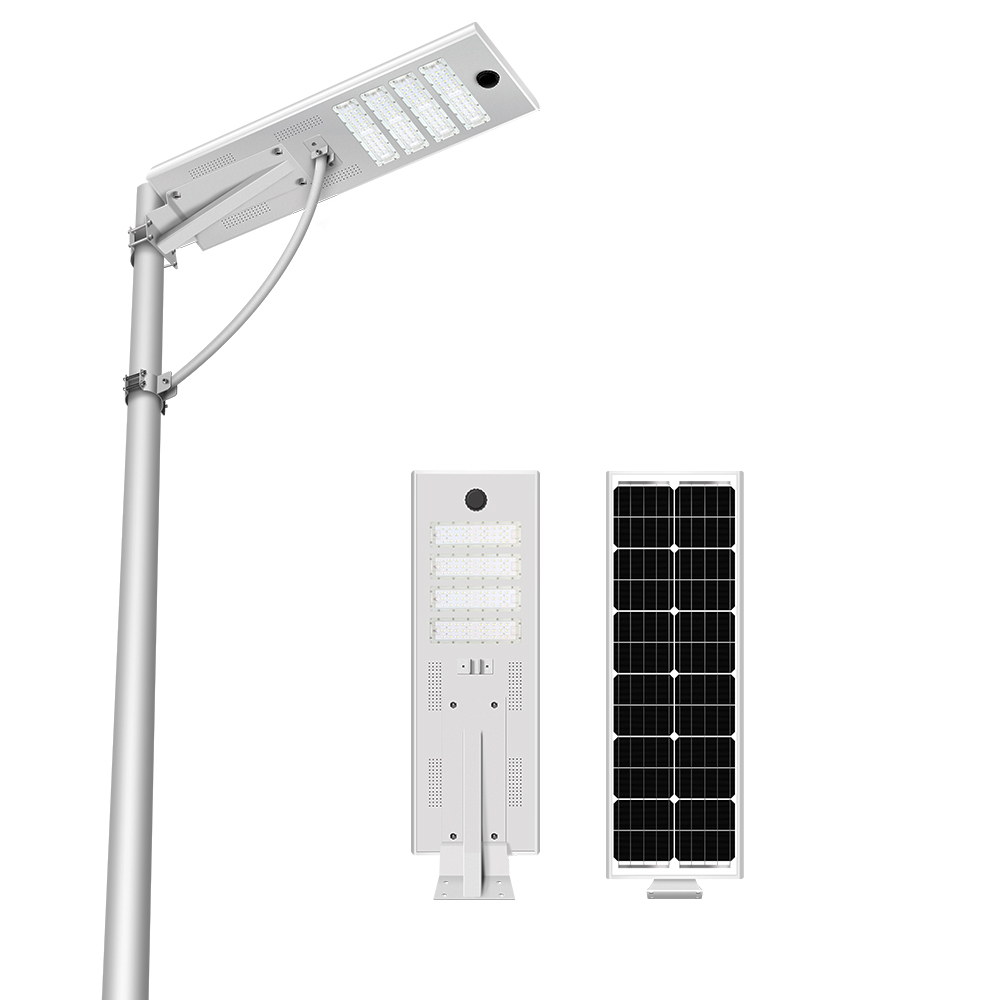

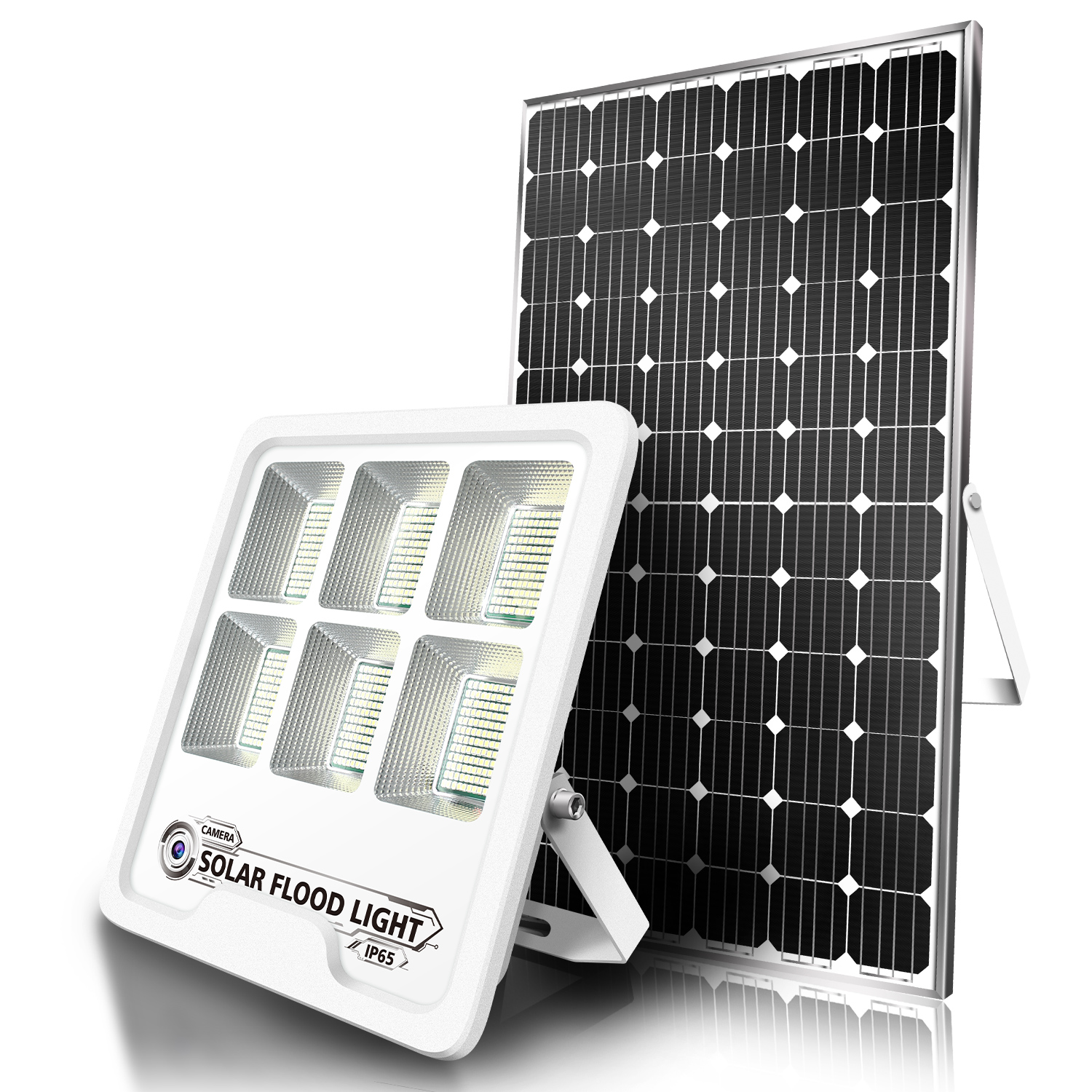
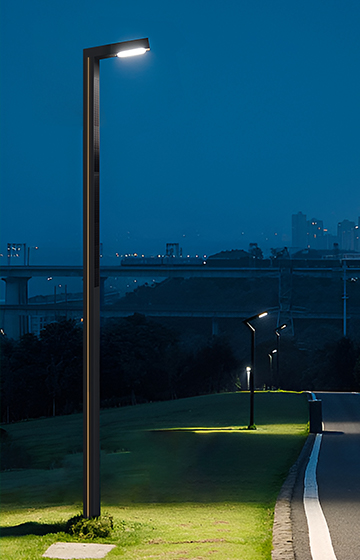
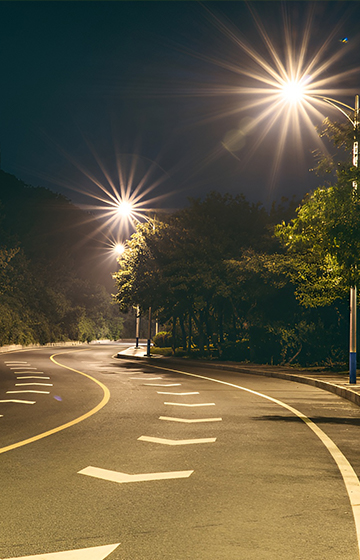
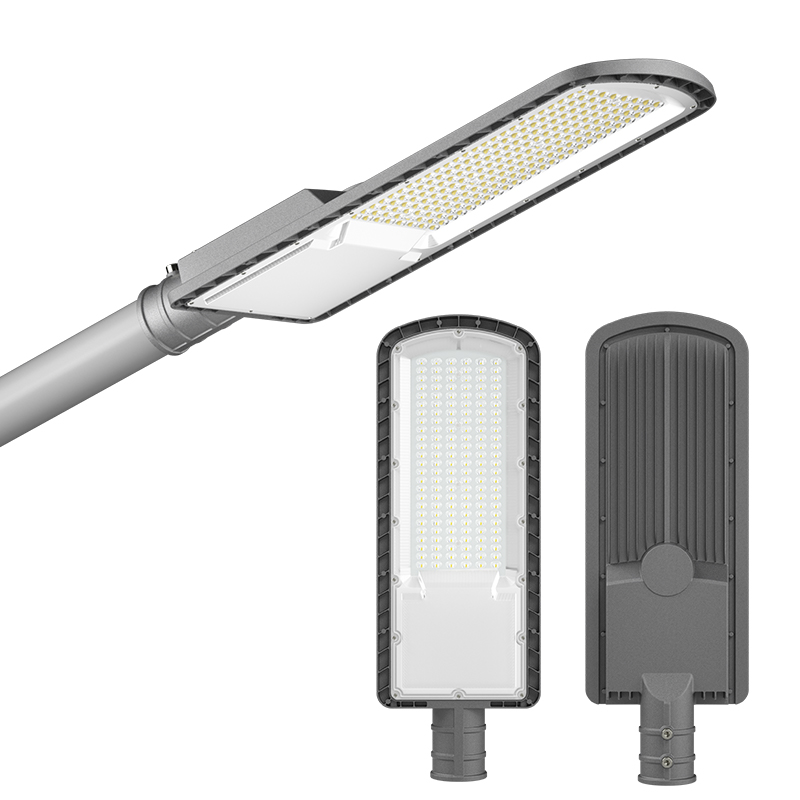


Residential communities require a different lighting approach from major traffic roads. Instead of high-intensity illumination, neighborhood lighting focuses on comfort, safety, and pedestrian friendliness.
Pleasant living environment
Smart Community Lighting Deployment
Enhanced public safety
Improved street lighting can reduce crime by around 20% on average in public spaces.
Better pedestrian comfort
Low-glare LED lighting improves visibility while creating a comfortable nighttime atmosphere.
Energy savings for municipalities
Smart dimming systems reduce unnecessary power consumption during late night hours.
Improved quality of life
Well-lit communities encourage outdoor activity, social interaction, and nighttime economic activity.

Before
After


Industrial Zone Lighting Design: High-Performance Illumination with Integrated Surveillance
| Industrial zones are the powerhouses of urban and regional economies—handling logistics, manufacturing, warehousing, and 24/7 operations. In these high-demand environments, lighting isn’t just a matter of visibility—it’s a matter of safety, productivity, and strategic infrastructure. |
Industrial zones demand powerful, efficient, and secure lighting systems to support round-the-clock operations, worker safety, and asset protection. A well-designed lighting plan not only improves visibility but can also serve as the backbone for smart surveillance infrastructure, especially when CCTV cameras are integrated with light poles.
Key Design Parameters & Optimization Strategies for Industrial Zones:
Road Width:
Typically 12–25 meters to accommodate trucks and forklifts; lighting
must ensure wide coverage and avoid shadowed zones that hinder
operations or pose safety risks.
Light Pole Height:
10–14 meters allows for wide-area illumination and optimal camera
mounting height for better angles and fewer blind spots.
Power & Lumens:
Use 100W–200W LED fixtures producing 15,000–30,000 lumens,
tailored to area size and function.
Pole Layout:
Double-sided opposite for roads and high-mast for storage yards
Each layout can support pole-mounted cameras without additional infrastructure.
Lighting Distribution:
Type III: Roadway-focused forward throw
Type IV/V: Broad lateral or symmetrical light spread for open yards. Ensure optics complement the CCTV field of view—no harsh shadows or hotspots.
Photosynthetic Efficiency: Choose fixtures with ≥150 lm/W for maximum performance and long-term savings.

Before
After
Campus Lighting Design: Intelligent Illumination for Safe, Active, and Inspiring Environments
| Campus lighting is not just about seeing at night—it’s about supporting the full life of a campus after dark. A well-designed lighting system ensures that educational institutions are not only safe and secure, but also active, inviting, and emotionally engaging long after the sun sets. |
Campus lighting design plays a crucial role in creating a safe, welcoming, and functional atmosphere for students, faculty, and visitors. From academic walkways to dormitory zones and service roads, each area of the campus requires a tailored lighting strategy to support both security and academic life.
Road Width:
Campus internal roads typically range from 6 to 12 meters wide,
including pedestrian walkways and service lanes. Lighting must
account for both vehicular movement and foot traffic on shared
paths.
Light Pole Height:
Ideal pole height is 4 to 8 meters, depending on the area:4–5m for
pedestrian pathways and courtyards6–8m for main campus roads.
This ensures appropriate light distribution without overpowering
the human scale.
Luminaire Power:
Energy-efficient LEDs ranging from 40W to 80W are generally sufficient, providing high-quality lighting with low energy consumption.
Lumens Output:
Luminaires should output 6,000 to 12,000 lumens, based on mounting height and zone use (e.g., lecture hall entrances vs. residential paths).
Layout:
Single-sided layout works well for narrow walkways or greenbeltsStaggered double-sided is ideal for wider boulevards and roads. Pole-top + bollard combinations can be used in mixed-use pedestrian plazas
Light Distribution Type:
Type II for narrow pathsType III for wider pedestrian roads or vehicle pathsUse shielded fixtures near dormitories or study halls to avoid light intrusion
Photosynthetic Efficiency:
Prioritize fixtures with ≥150 lm/W, ensuring energy savings, longer operational life, and minimal maintenance—especially important for large campuses with extensive lighting infrastructure.

Before
After
Best Campus Internal Roads Outdoor Lighting Design
ABOUT US
Tell:
+86-18676024888
Address:
Floor 4-6, No. 55 Pinghe Road, Caosansi Yiwei Industrial Zone, Guzhen, Zhongshan City, Guangdong Province, China
Email:
bosun3@bosunlighting.com
Insists that quality is more important than the company's size to help our partners succeed and realize win-win situations with customers.
CONTACT BOSUN