

Ultra-Low Temperature
Battery?
What is
An ultra-low temperature battery is a type of Na ion battery designed to function efficiently in extremely cold environments, typically below -40 °C, and sometimes even more frigid. These batteries are engineered with specific materials and technologies that can show superior charging and discharging performance in the ultra-low temperature environment of -40 degrees, thus solving the problem that general batteries cannot work normally in the ultra-low temperature environment.

Why Conventional Batteries Fail in Winter?
In high-latitude regions, standard LiFePO4 batteries face two fatal challenges:
Charging Blocks: Lithium plating occurs if charged below 0°C, leading to permanent battery damage.
Capacity Drop: Extreme cold slows down chemical reactions, causing lights to turn off prematurely.
What does ultra-low temperature battery do in solar powered street lights?
Ultra-low-temperature batteries play an essential role in making solar street lights reliable and efficient in extreme environments. Whether for remote areas, alpine regions, or high-latitude zones, these batteries ensure the sustainability and durability of solar powered street lights, delivering consistent performance, longer lifespans, and reliable illumination solutions for frigid outdoor areas. By incorporating ultra-low
temperature batteries, solar street lights can effectively
provide safety, security, and energy savings in even the
most challenging weather conditions.
What makes these low-temp batteries especially valuable for solar powered
street lights in cold areas?
· Consistent Performance in Cold Climates
· Longer Lifespan and Cold-Durability
· Steady Charging and Energy Storage Functions
· Improved Safety & Stability
· Energy Independence and Sustainability
· Smart Integration with Solar Systems

BOSUN Solution: Intelligent Thermal Management
Our Ultra-low Temperature Series isn't just a battery; it’s a smart thermal system. We’ve integrated a sophisticated heating architecture that activates automatically to protect your investment.
Key Technical Advantages: Patented Pre-heating Technology: Before the charging cycle begins, the system uses the solar panel's current to warm the battery cells to an optimal temperature.
Zero Energy Loss: Unlike competitors, our system does not consume the battery’s stored energy for heating. It utilizes surplus solar input, ensuring 100% of your stored power goes to lighting.
Extended Lifespan: By maintaining a stable internal temperature, we prevent the chemical stress that typically shortens battery life in cold climates.
Smart Controller Integration: Our Pro-Double Protection (BOSUN Patent) works seamlessly with the MPPT controller to monitor real-time temperature and current flow.
Stable Performance

Working Process
The ultra-low temperature batteries involve advanced materials, optimized battery chemistry, and intelligent management systems to ensure that they operate efficiently and reliably in freezing conditions. By maintaining stable ion flow, regulated charging and discharging, and temperature management, these batteries power solar powered street lights in areas where traditional batteries would fail.
Regular Battery VS BOSUN® Low-Temp Battery
BOSUN Low-Temp Battery
Operating Temperature Range
Low-temperature batteries are designed to operate efficiently in colder environments, typically ranging from -40°C to 45°C.
Internal Resistance
Low-temperature batteries are engineered to have lower internal resistance in the cold, which helps maintain performance and efficiency, and keeps normally operating during harsh low-temp weather.
Usage Lifespan
Low-temperature batteries usually have a longer cycle life in cold environments compared to regular batteries. (Normally for 3 years). Their construction and materials are optimized to withstand the stresses of low temperatures.
Regular Battery
Operating Temperature Range
Typically, regular batteries function well in temperatures ranging from -20°C to 60°C, with optimal performance around 20°C to 25°C.
Internal Resistance
The internal resistance of regular batteries increases at low or below 0°C temperatures, leading to capacity, efficiency, and performance can degrade
Usage Lifespan
Regular batteries may experience a shorter cycle life if frequently exposed to low temperatures, as the stress from cold can cause wear and tear on the battery components.
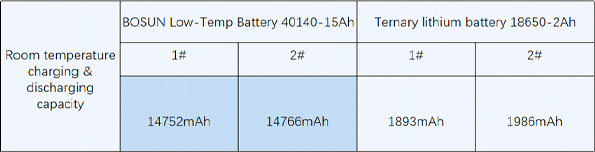
Charging and discharging at room temperature 25℃
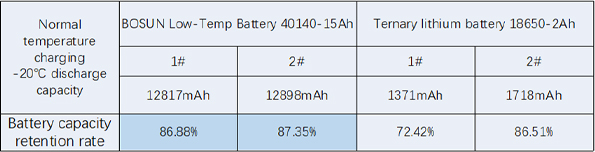
Charging at 25℃, discharging capacity at -20℃
Ternary lithium battery at -20℃ is poor, and the ideal discharge temperature is -10℃ ~ -15℃; Low-Temp Battery has good discharge consistency at -20℃ and superior performance.
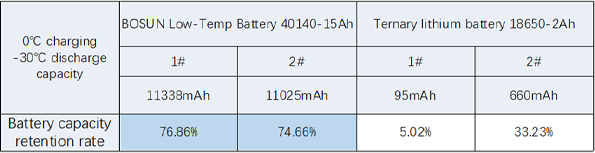
0℃ charging, -30℃ discharge capacity
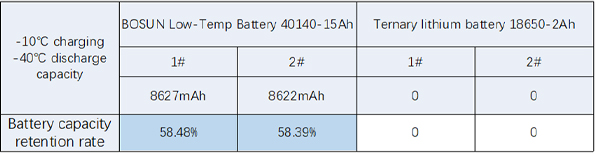
-10℃ charging, -40℃ discharging capacity
Low-Temp Battery is charged at -10℃ and discharged at -40℃ with good consistency and superior performance
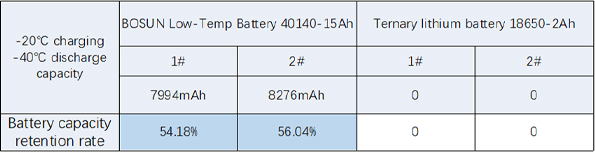

-20℃ charging, -40℃ discharging capacity
-30℃ charging, -40℃ discharging capacity
Low-Temp Battery is charged at -30℃ and discharged at -40℃ with good consistency
Ternary lithium battery fails at -30℃ discharge. Low-Temp Battery has good discharge consistency at -30℃ and superior performance
Low-Temp Battery is charged at -20℃ and discharged at -40℃ with good consistency and superior performance
Intuitive Data of Battery Comparison
Compared with ordinary batteries, the ultra-low temperature battery is characterized by -40 degree low-temperature resistance, and combined with the BOSUN® patented Pro-Double MPPT solar charge controller can also maintain normal operation under a severe cold environment.
Low temperature batteries are designed to withstand harsh weather conditions, including snow, ice and freezing temperatures. This makes them durable and reliable in cold regions such as most Nordic countries, Canada, Russia, and other cold regions.
Due to rapidly rising electricity prices as a result of the ongoing energy crisis. The pros outweigh the cons of utilizing solar streetlights. Solar zero-cost green power illumination is a win-win project for the whole of mankind. it will lower the cost of residential electricity and government electricity. Electricity costs will slump by a wide margin, and overall electricity power generation will increase as straight up to the sky. It can imperceptibly influence local economics and elevate citizens' consumer capability. Solar streetlights are no longer limited to low-latitude sunny areas, with BOSUN's low-temperature battery solar street lights release comes with surging demand, making more cold areas beneficial by solar power. As everyone knows, solar street light with low-temperature batteries provide stable performance, malfunctions reduction, and lower maintenance costs. it is getting wider, penetrating into commercial, residential, and government domains worldwide.
Low-Temp Battery Solar Street Light
Apply Regions & Countries

Low-Temp Battery Solar Street Light Projects
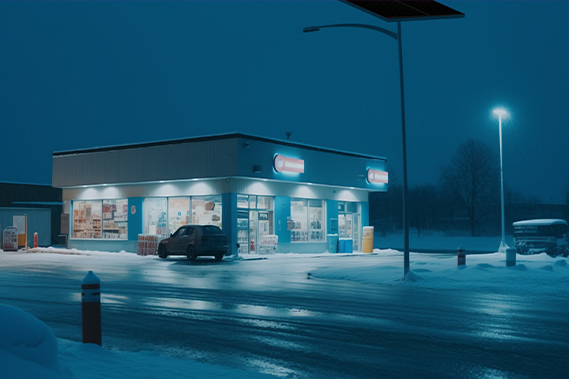
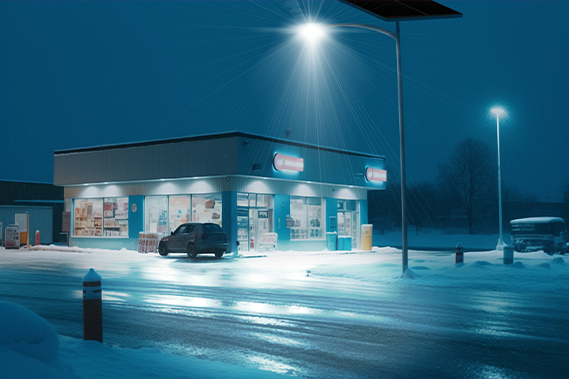
In the isolated town in high latitude, situated in one of the cold regions. Temperatures can drop to -45°C (-49°F) in the winter, making it an ideal location for a low-temperature battery solar street light project. The goal was to provide consistent, sustainable lighting for roads, pathways, and outdoor public spaces while minimizing environmental impact.
A remote Alaskan town, faced increasing challenges with street lighting during the winter months when temperatures plummet and daylight is scarce. The town’s traditional street lights were frequently rendered ineffective due to low temperatures, snow accumulation, and high winds. The town needed a solar-powered illumination solution that could reliably provide lighting for at least 12 hours during the long nights of winter. Our team was tasked with designing and implementing solar powered street lights powered by low-temperature batteries capable of withstanding extreme conditions.
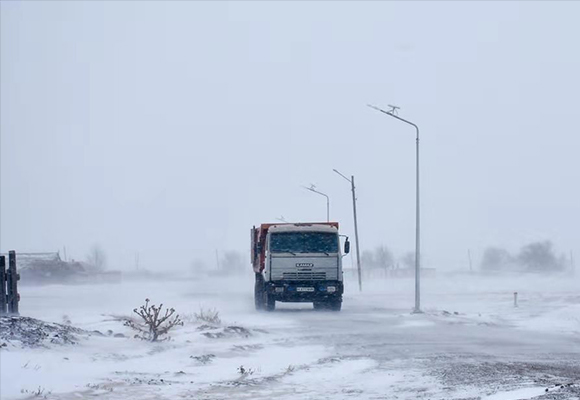
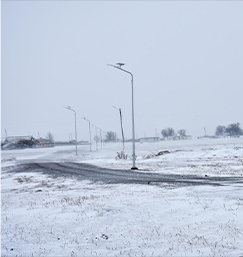
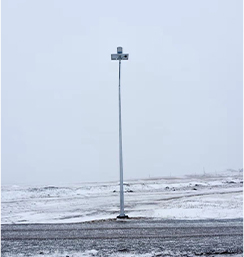
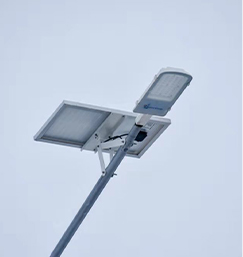

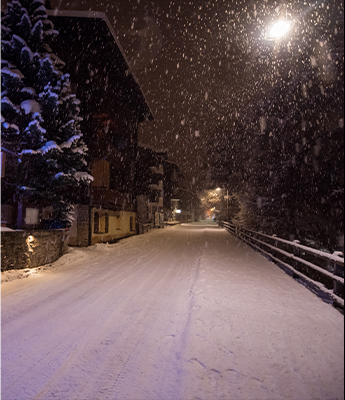
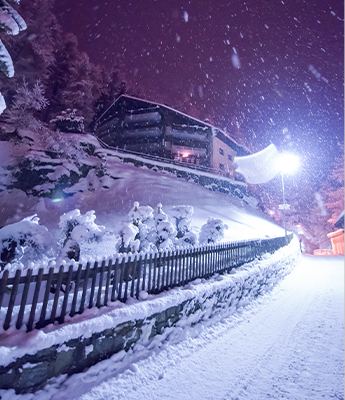
A remote Alaskan town, faced increasing challenges with street lighting during the winter months when temperatures plummet and daylight is scarce. The town’s traditional street lights were frequently rendered ineffective due to low temperatures, snow accumulation, and high winds. The town needed a solar-powered illumination solution that could reliably provide lighting for at least 12 hours during the long nights of winter.
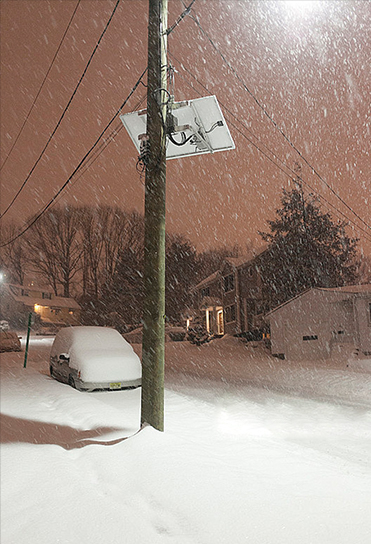
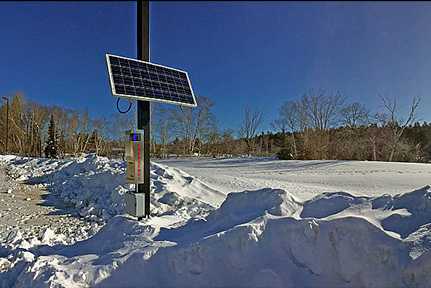
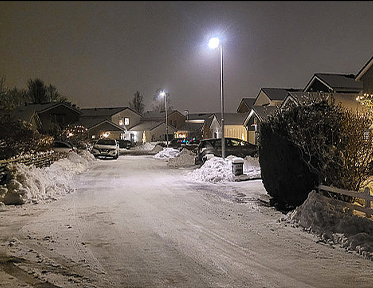
A remote Alaskan town, faced increasing challenges with street lighting during the winter months when temperatures plummet and daylight is scarce. The town’s traditional street lights were frequently rendered ineffective due to low temperatures, snow accumulation, and high winds. The town needed a solar-powered illumination solution that could reliably provide lighting for at least 12 hours during the long nights of winter.


A remote Alaskan town, faced increasing challenges with street lighting during the winter months when temperatures plummet and daylight is scarce. The town’s traditional street lights were frequently rendered ineffective due to low temperatures, snow accumulation, and high winds. The town needed a solar-powered illumination solution that could reliably provide lighting for at least 12 hours during the long nights of winter.

A remote Alaskan town, faced increasing challenges with street lighting during the winter months when temperatures plummet and daylight is scarce. The town’s traditional street lights were frequently rendered ineffective due to low temperatures, snow accumulation, and high winds. The town needed a solar-powered illumination solution that could reliably provide lighting for at least 12 hours during the long nights of winter. Our team was tasked with designing and implementing solar powered street lights powered by low-temperature batteries capable of withstanding extreme conditions.





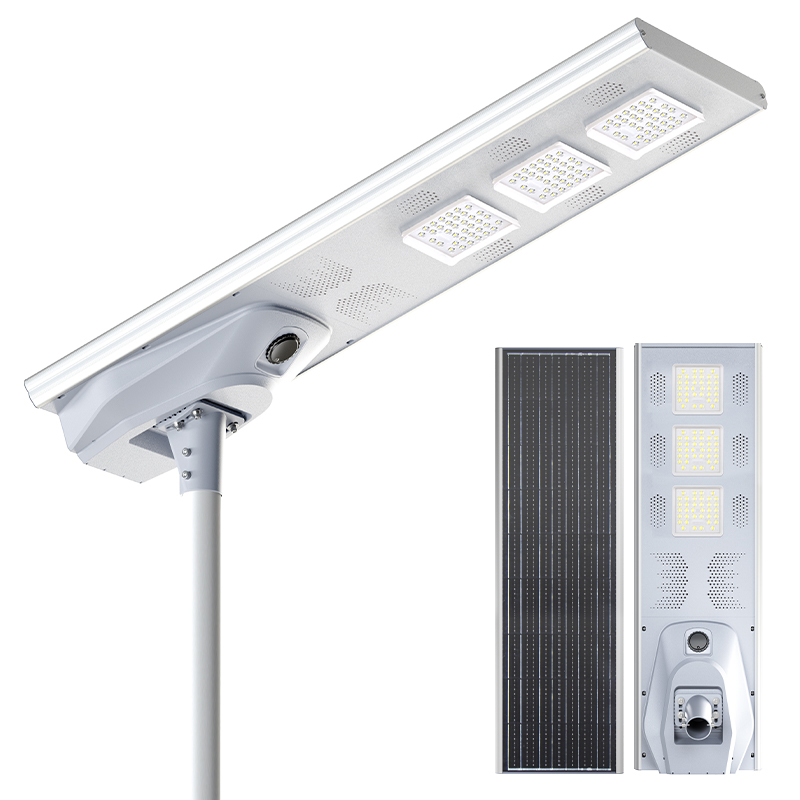
Hot-Cake Solar Street Light
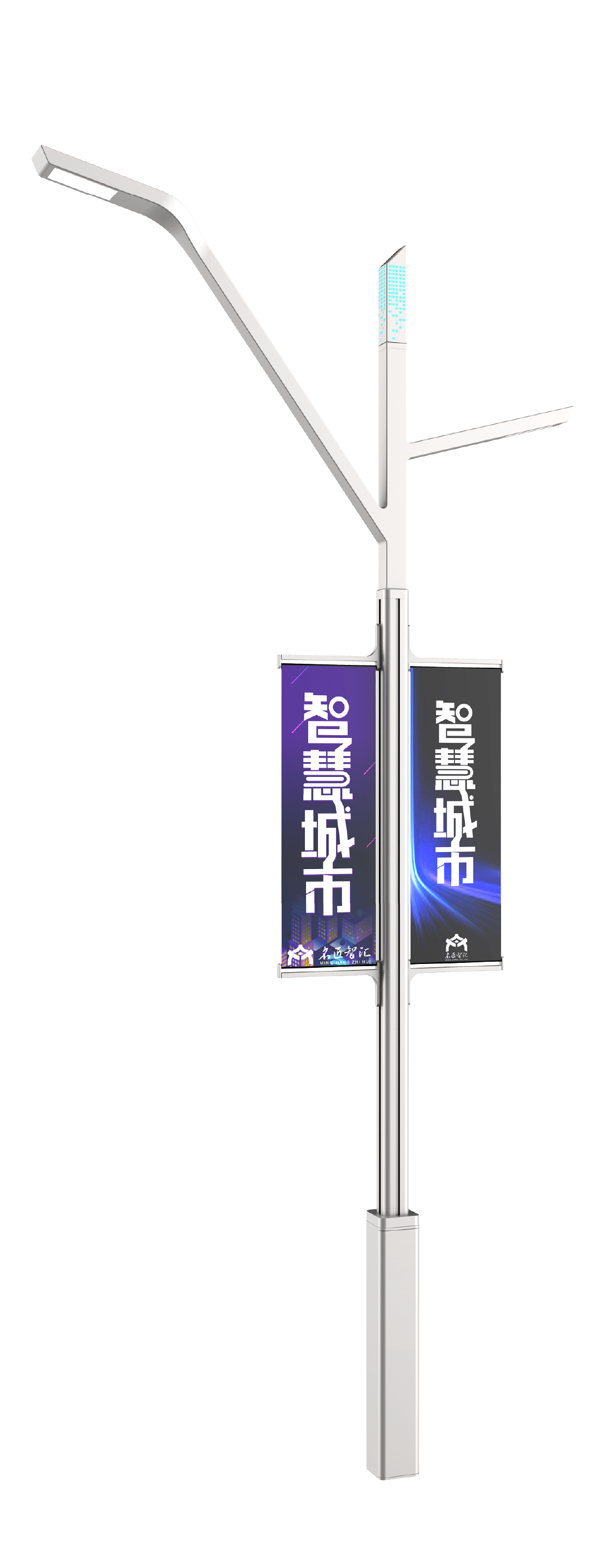
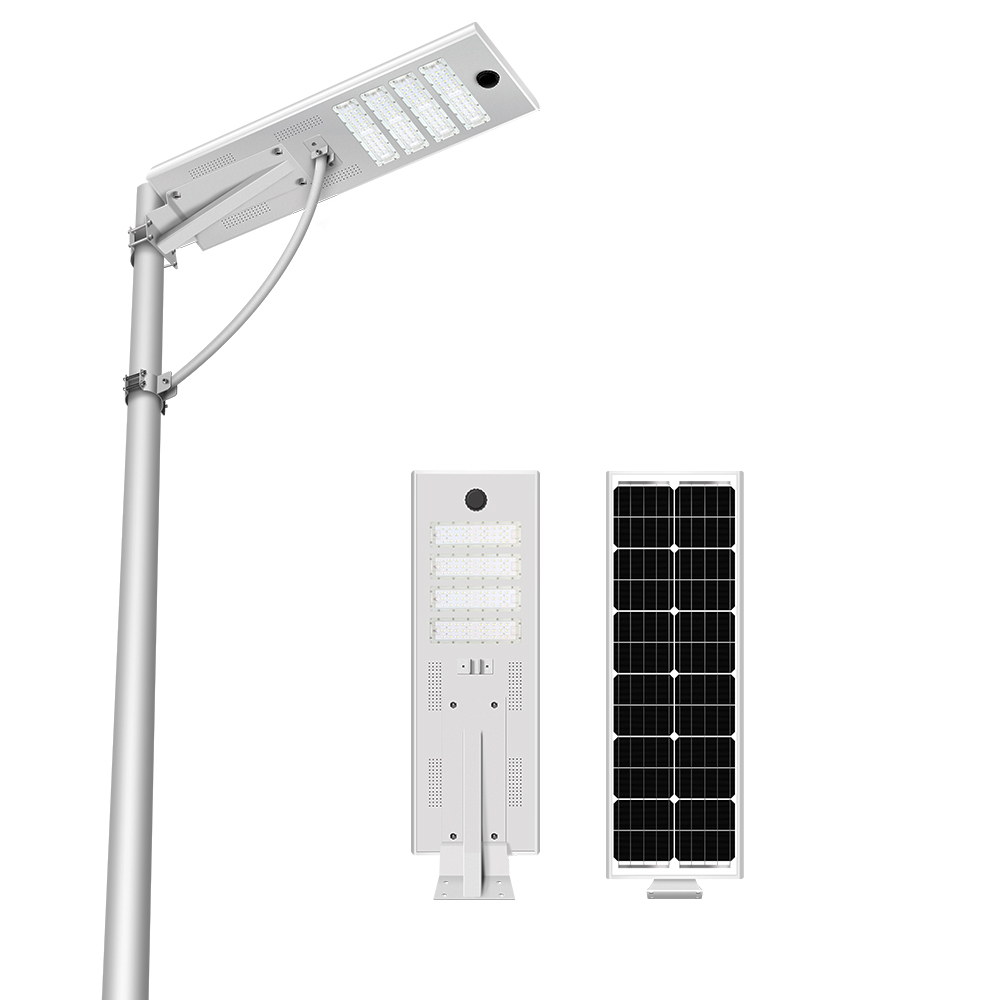
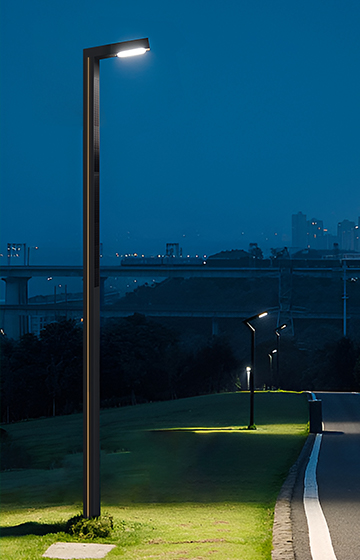
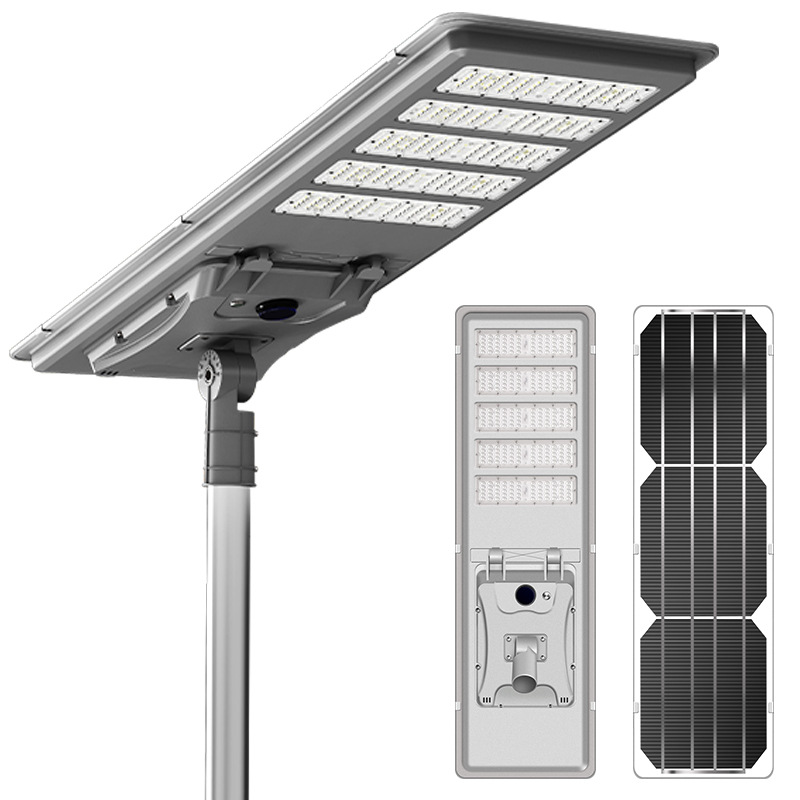
Outdoor Integrated Long Life-span LED Solar Street Lights Manufacturer - BS-QBD-SE Series


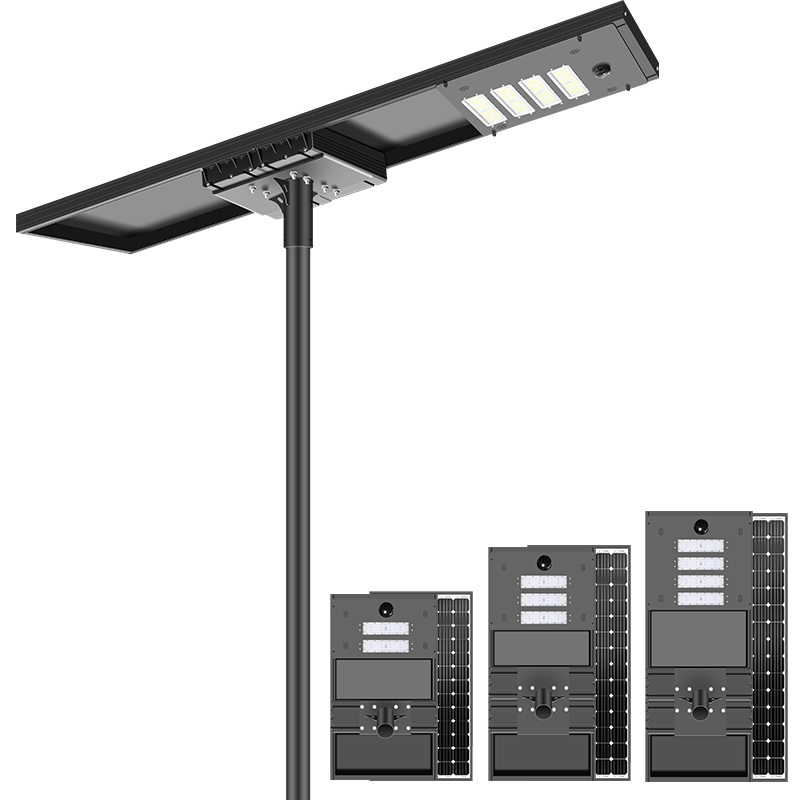
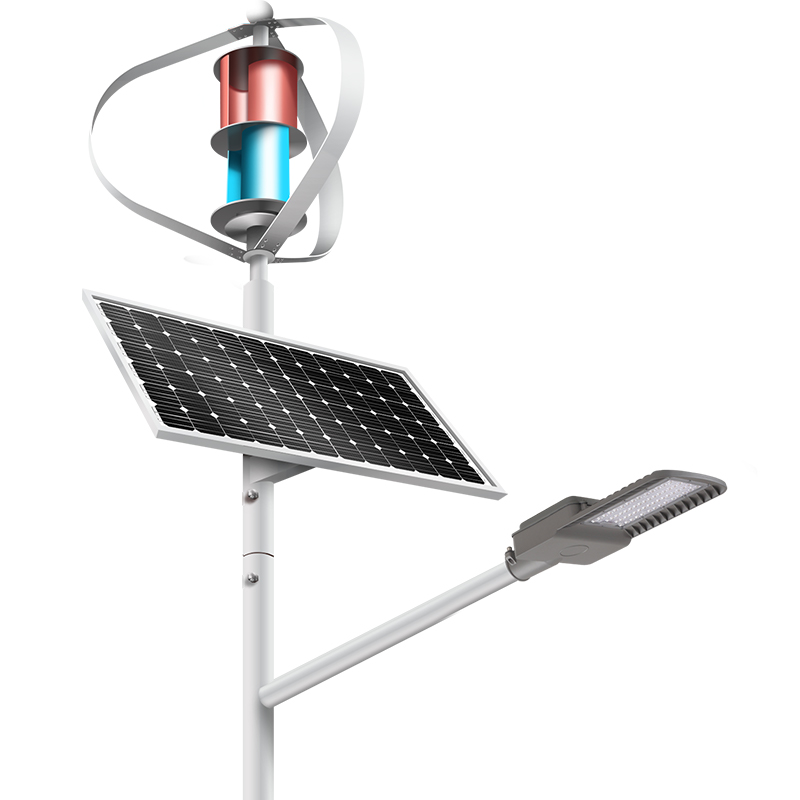
Waterproof Outdoor All-in-One Solar Street Light Traders - BS-YT Series
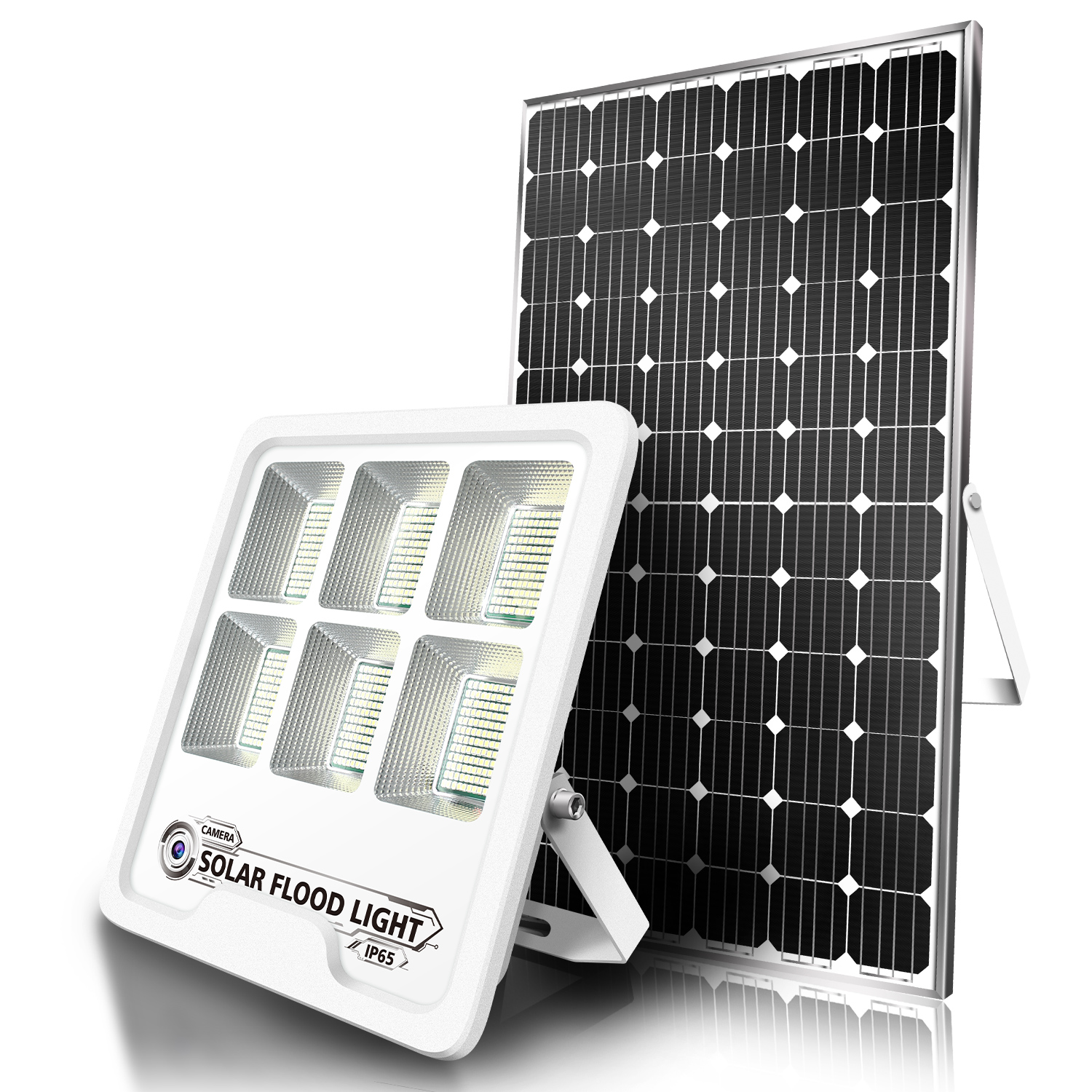
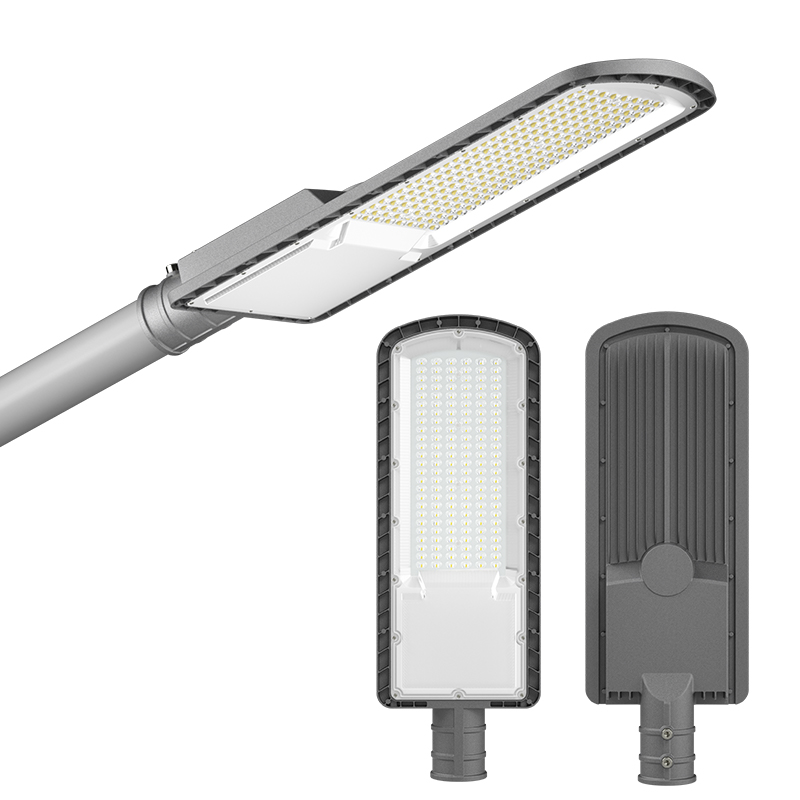
Wholesale All-in-One Adjustment Solar Street Light suppliers - BS-MTX Series
High light efficiency LED Solar Streetlight For Engineering Project - BS-HDC Series
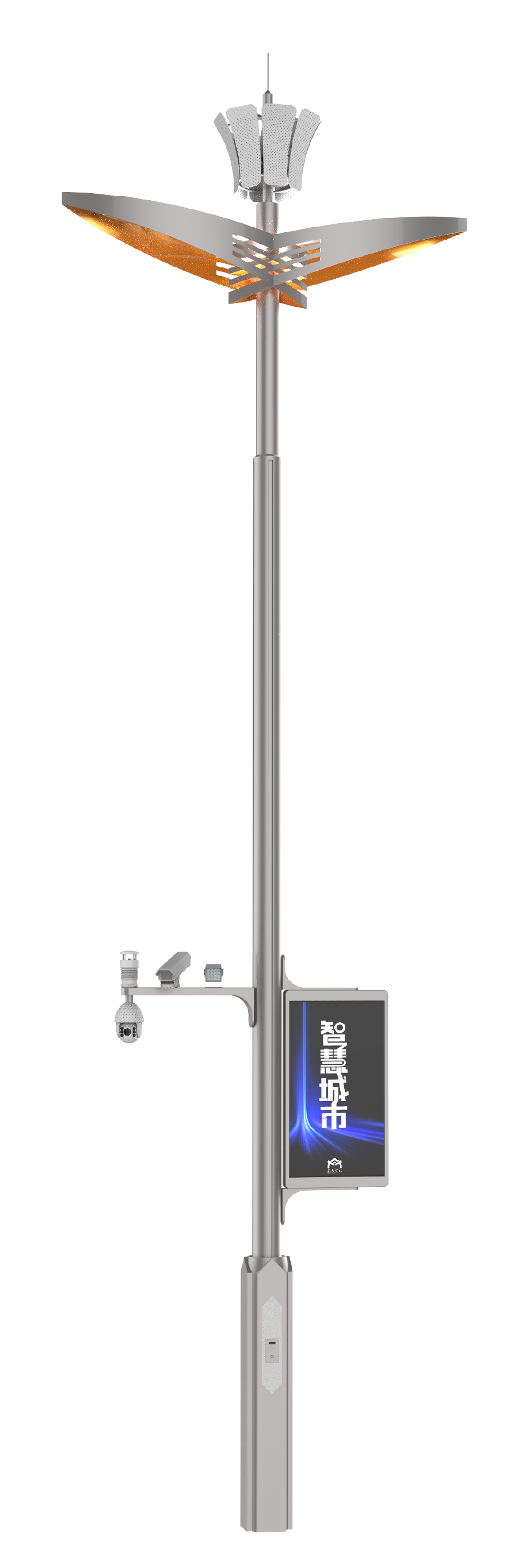
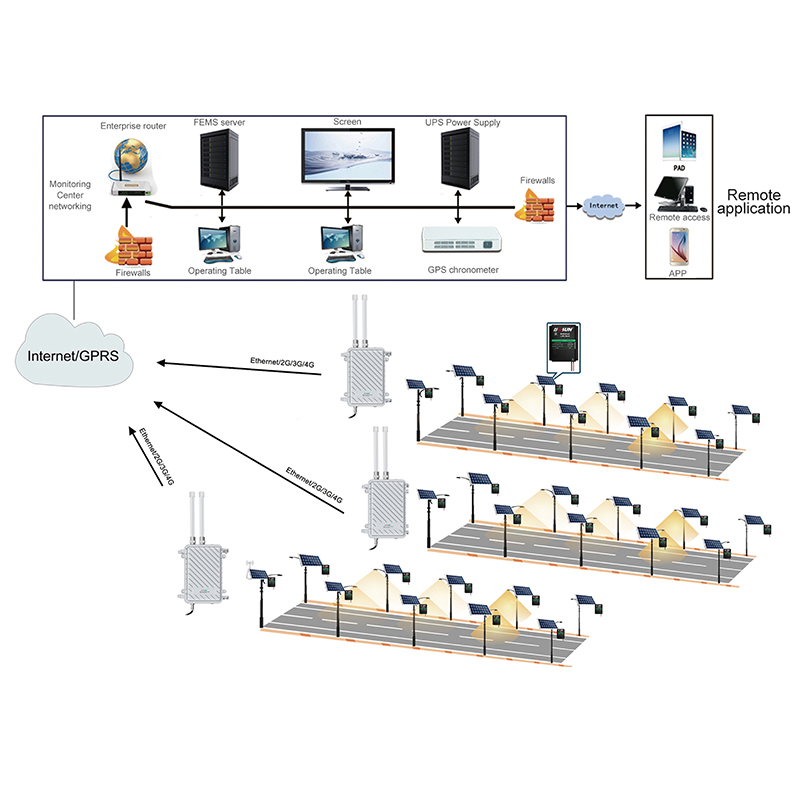
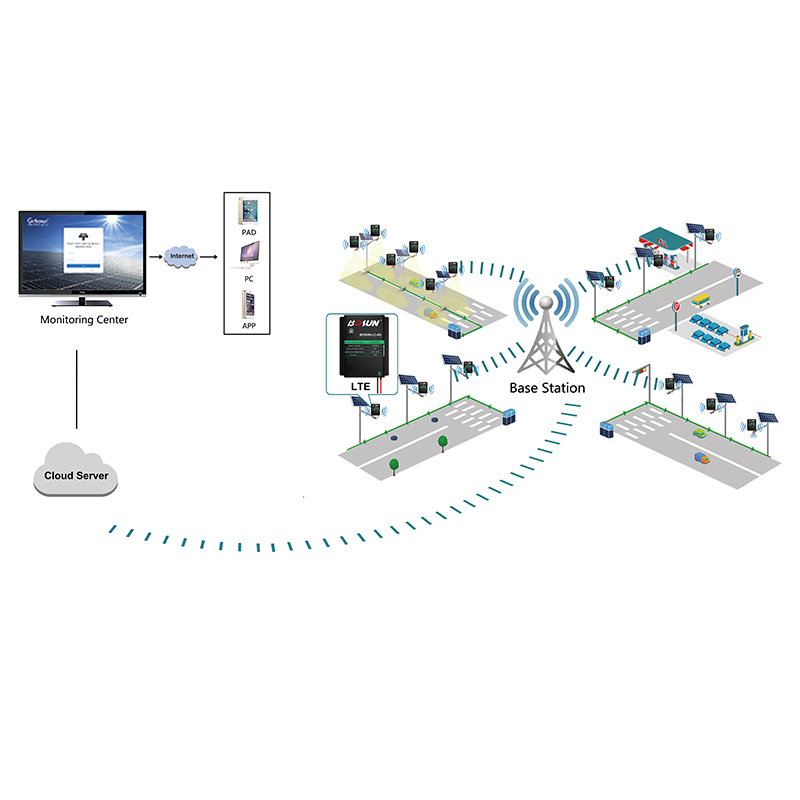
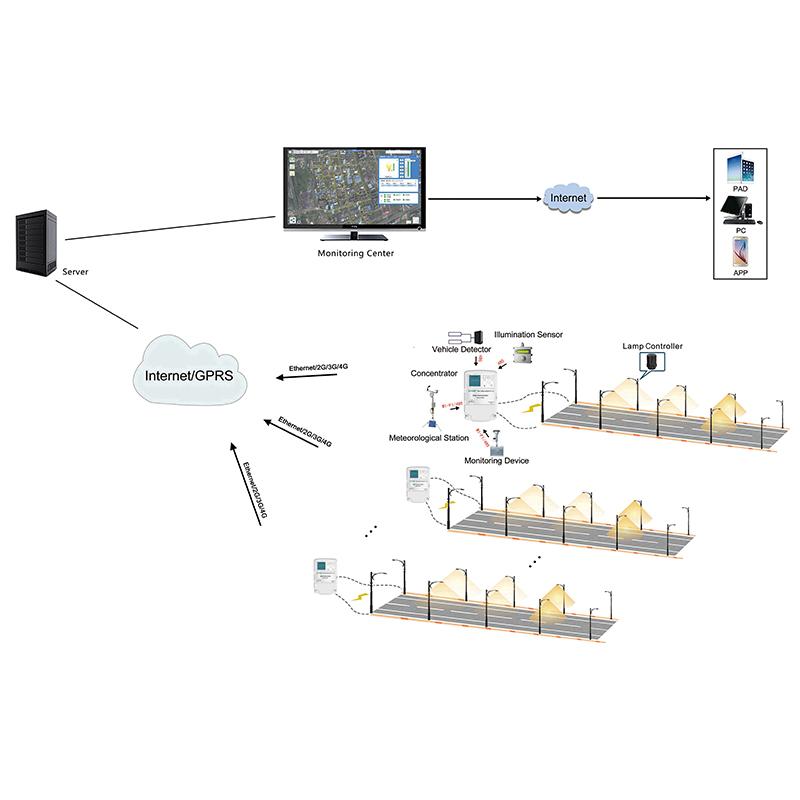
Smart Street Light Solution
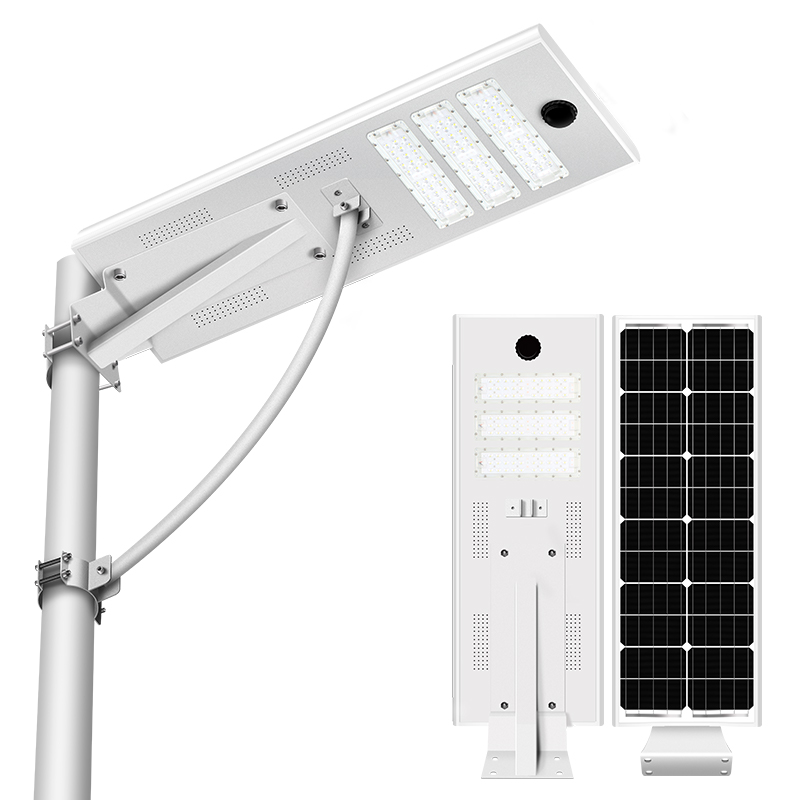
Long Life-span Solar Street Light
Resistant to low-temperatures can be long endurance, in the ultra-low temperature environment, our batteries show excellent long
endurance characteristics
Intelligent lighting can be optional on the basis of low-temperature resistance, which can be more convenient for customers'
intelligent control and unified management.
Additional Service & Recommended Product

FAQ
What is a low-temperature battery?
Low-temperature battery is designed to operate efficiently in cold environments, maintaining performance and long life-span longevity despite low ambient temperatures.
At what temperature does the battery heating system activate?
The BOSUN intelligent heating system automatically triggers when the internal battery temperature drops below 0°C (or a custom set point). It ensures the battery is in an optimal thermal state before any charging current is introduced.
Do low-temperature batteries require special maintenance?
Generally, they do not require special maintenance beyond standard battery care, but it's important to follow manufacturer recommendations for storage and usage in cold conditions.
Will the heating process drain the battery at night?
No. Our patented design utilizes the charging current from the solar panels to generate heat during the day. This "Zero Loss" technology ensures that 100% of the stored battery capacity is reserved for nighttime lighting.
Is a -40°C battery necessary for regions that only occasionally reach freezing?
While it is designed for extreme cold, using it in fluctuating climates significantly extends the battery's lifespan. It prevents the subtle internal damage caused by "near-zero" charging, which is a common cause of premature failure in standard solar batteries.
Can this battery be integrated into existing solar street light systems?
Yes, but it requires a compatible BOSUN MPPT controller to manage the heating logic. We provide full technical support for system integration to ensure seamless performance.
What is the lifespan of the battery in extreme cold?
Thanks to our thermal protection, the battery maintains a cycle life similar to standard environments—over 2,000 to 3,000 cycles at 80% DOD, even in high-latitude regions.
What is the cost difference between ultra-low temperature batteries and regular batteries?
While ultra-low temperature batteries tend to have a higher initial cost than standard batteries, the long-term savings on maintenance, replacement, and reliable performance make them a more cost-effective solution for projects in extreme climates. Their ability to operate efficiently and safely in freezing conditions means fewer breakdowns and lower operational costs over time.
NEWS & BLOG
Insists that quality is more important than the company's size to help our partners succeed and realize win-win situations with customers.
CONTACT BOSUN