
A Preview of the 2026 Barcelona Smart City Exhibition: Why Multi-Functional Smart Poles Are Emerging as a New Urban Standard?
author: Aurora
2026-03-11







Global Infrastructure Transformation
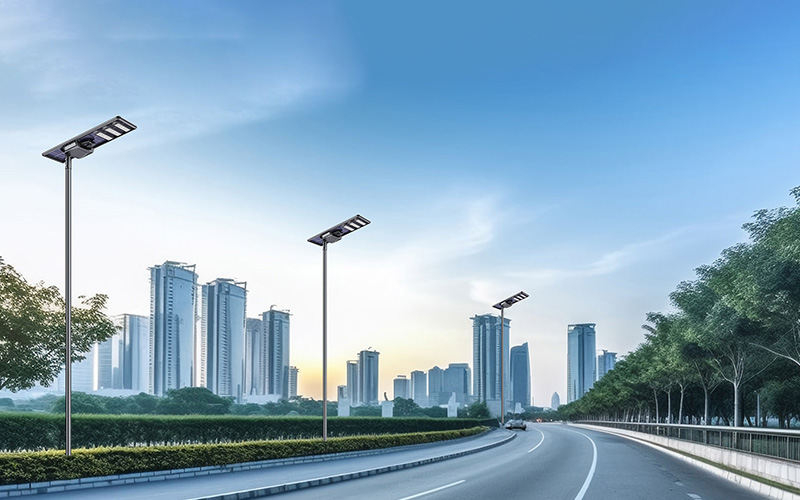
Over the past decade, urban infrastructure has entered a period of rapid transformation driven by three major global forces: energy transition, digitalization, and urban expansion. First, governments worldwide are accelerating the transition toward renewable energy. Cities account for more than 70% of global energy consumption, making municipal infrastructure systems a key focus of decarbonization strategies. Infrastructure planners are therefore exploring technologies that reduce grid dependency while maintaining essential services. Solar-powered infrastructure, including solar street light installations, is emerging as a practical solution in many regions.
Second, urban areas are increasingly dependent on digital infrastructure. From traffic monitoring and environmental sensing to public safety systems and connected mobility, cities require physical platforms capable of supporting multiple digital services. In this context, existing street infrastructure—particularly urban lighting networks—represents one of the most widespread and strategically positioned assets available.
Third, global urbanization continues to intensify. The United Nations estimates that nearly 70% of the world's population will live in cities by 2050. As urban populations grow, cities must modernize public infrastructure to ensure safety, efficiency, and sustainability.
These trends are pushing cities to rethink infrastructure investments. Rather than building isolated systems for lighting, connectivity, surveillance, and environmental monitoring, municipalities increasingly seek integrated infrastructure solutions.
This shift is precisely why smart street lighting systems and smart poles have become focal points in discussions about future urban development. Lighting infrastructure, once considered static, is now evolving into an intelligent layer of the urban environment.

Challenges Facing Modern Urban Lighting Systems
Despite their importance, many cities still rely on aging street lighting systems that were designed decades ago. These legacy systems often struggle to meet modern operational and environmental requirements. One of the most pressing issues is rising electricity costs. Conventional street lighting networks typically operate on centralized power grids, and large cities may operate tens of thousands—or even hundreds of thousands—of lighting fixtures. Energy consumption from these systems can represent a substantial portion of municipal electricity expenditure.
Another challenge is maintenance complexity. Traditional lighting networks require routine inspections, manual fault detection, and frequent component replacement. For large urban areas, maintaining street lighting infrastructure can demand significant labor and logistical resources. Cities also face grid reliability concerns. In some regions, unstable electrical grids can disrupt street lighting operations, affecting road safety and public security. This issue is particularly relevant in developing economies and rapidly expanding metropolitan areas.
In addition, many older lighting systems lack digital integration capabilities. Without centralized monitoring platforms, municipalities often have limited visibility into system performance. Fault detection may rely on citizen reports or periodic inspections rather than automated diagnostics. Finally, the lack of smart infrastructure integration prevents cities from leveraging lighting networks as platforms for other services. Conventional street lights typically serve only one function—illumination—despite occupying valuable physical space across the entire urban landscape.
These challenges are leading infrastructure planners to explore next-generation urban lighting solutions that combine energy efficiency, digital connectivity, and operational flexibility.

Solar Street Lighting as an Infrastructure Solution
One of the most practical solutions emerging in recent years is the solar street lighting system. By integrating photovoltaic panels, energy storage batteries, and high-efficiency LED lighting, solar street lights can operate independently from the electrical grid.
First, energy independence reduces electricity consumption from the grid. In regions where energy costs are rising or grid infrastructure is limited, solar street lights provide a sustainable alternative.
Second, solar-powered lighting can improve infrastructure resilience. Because solar street lights generate and store their own energy, they can continue operating during grid outages or emergencies.
Third, modern solar lighting systems typically incorporate high-efficiency LED technology, which significantly reduces power consumption while providing improved illumination quality.
Another advantage is lower operational costs over the long term. While the initial installation cost of solar street lighting systems may be higher than conventional fixtures, the reduction in electricity expenses and maintenance requirements often leads to favorable lifecycle economics.
Solar lighting is also particularly effective in locations where extending grid infrastructure would be expensive or technically difficult. Examples include:
• rural roads
• new urban development zones
• highways and suburban corridors
• coastal infrastructure projects
• parks and public recreational areas
• new urban development zones
• highways and suburban corridors
• coastal infrastructure projects
• parks and public recreational areas
Smart Street Lighting and Smart City Infrastructure

Beyond energy generation, modern cities are exploring how smart street lighting systems can contribute to broader urban management strategies.
Smart lighting networks incorporate technologies such as IoT connectivity, adaptive lighting control, and centralized management platforms. These systems allow cities to monitor and control lighting assets remotely, improving operational efficiency.
For example, adaptive lighting systems can automatically adjust brightness levels based on traffic conditions, pedestrian activity, or environmental factors. This capability reduces energy consumption while maintaining safety standards.
Industry Innovation and Practical Solutions
As cities explore new infrastructure strategies, technology providers are developing integrated solutions designed specifically for modern urban environments. Lighting manufacturers and infrastructure technology companies are investing heavily in innovations that combine solar energy, intelligent lighting control, and digital infrastructure capabilities.
One example is the development of multi-functional solar street light poles. These systems combine solar power generation with smart lighting technologies and modular components that support additional devices such as cameras, sensors, or communication equipment.
This modular design allows cities to deploy scalable infrastructure platforms capable of evolving alongside technological advancements. Companies working in this field—including manufacturers such as BOSUN Lighting—are focusing on solutions that support both solar street lighting systems and smart street lighting networks for municipal infrastructure projects. By integrating renewable energy and digital infrastructure into a single platform, these systems aim to simplify deployment while improving operational efficiency.
The upcoming 2026 Barcelona Smart City Exhibition is expected to showcase many of these innovations, highlighting how lighting infrastructure is becoming a key foundation for next-generation cities.
BOSUN Smart City Control System - TALQ Member
The Future of Urban Lighting Infrastructure
Urban infrastructure is undergoing a profound transformation as cities seek to balance sustainability, resilience, and technological advancement. Lighting networks—once viewed as basic public utilities—are increasingly recognized as strategic infrastructure assets.
Through the integration of renewable energy and intelligent control systems, solar street lighting systems and smart street lighting networks are helping cities reduce energy consumption, improve operational efficiency, and expand digital capabilities.
At the same time, smart poles and multi-functional solar street light poles are emerging as versatile platforms for supporting a wide range of urban technologies.
As cities continue investing in smart city infrastructure and urban digital infrastructure, lighting systems are likely to become one of the foundational elements of the intelligent urban environment.
FAQs about Smart Light Poles
How does smart street lighting improve urban infrastructure?
Smart street lighting systems use IoT connectivity and centralized management platforms to monitor lighting performance, control brightness levels, and detect faults automatically, improving efficiency and reducing maintenance costs.
Smart street lighting systems use IoT connectivity and centralized management platforms to monitor lighting performance, control brightness levels, and detect faults automatically, improving efficiency and reducing maintenance costs.
What are smart poles used for in cities?
Smart poles integrate multiple technologies such as LED lighting, surveillance cameras, environmental sensors, and communication equipment, turning street infrastructure into multi-functional urban digital infrastructure platforms.
Smart poles integrate multiple technologies such as LED lighting, surveillance cameras, environmental sensors, and communication equipment, turning street infrastructure into multi-functional urban digital infrastructure platforms.
Can smart street lighting systems reduce municipal costs?
Yes. Smart street lighting systems reduce operational costs through energy-efficient LED technology, adaptive lighting control, and automated maintenance monitoring.
Yes. Smart street lighting systems reduce operational costs through energy-efficient LED technology, adaptive lighting control, and automated maintenance monitoring.
Hot-Selling Smart Poles


 Solar and Batteries Claim 81% of U.S. Power Growth in 2025: Infrastructure Implications for Public Lighting
  Solar & Wind Street Lights vs. Incandescent Grid Lighting: Why Renewable Street Lighting Is the Future
  “All Energy Generation Will Be Solar” – Elon Musk’s Warning on Clean Energy, Solar Power, and Green Energy
 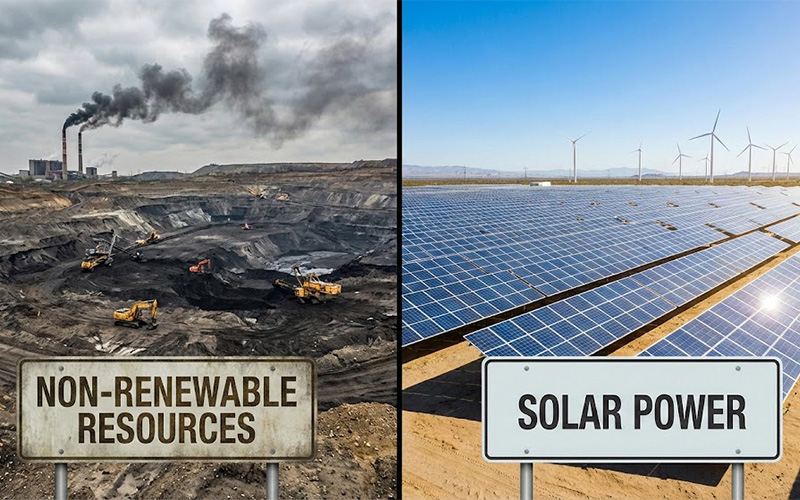 Is Solar Energy Renewable or Nonrenewable? Non-Renewable Resources vs Solar Power: Why Solar Energy Systems (a Renewable Resource) Are Replacing Fossil-Fuel Lighting
  Why Smart Street Lights Deliver the Highest ROI in Modern Smart City Technology?
 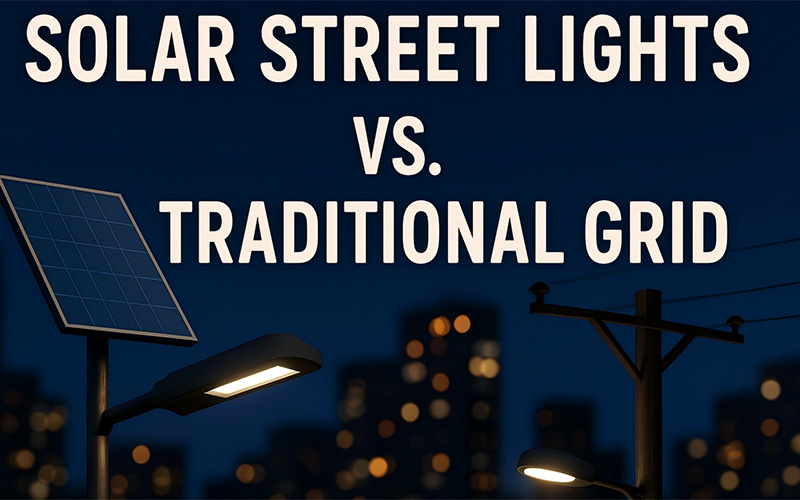 Solar Street Lights vs. Traditional Grid: The Real Cost Breakdown
  How to Choose the Best Smart Solar Street Light to Prevent Street Light Outages?
  Solar Street Lights – Farolas Solares Inteligentes: Long-Term Development, Sustainability, Smart Upgrades, and Economic Benefits for Modern Cities
  The Solar Street Light Industry in 2024-2025: Innovations, Trends, and Leading Brands
 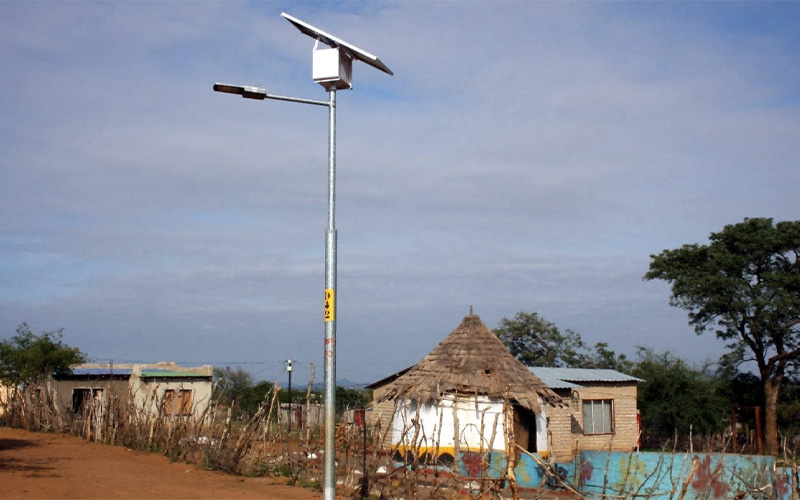 A Solar Street Light Lamp Illuminates the Road to Rural Revitalization
  The Ultimate Instruction Of LED Solar Street Light: How it works and how to maintain
  Solar Street Light Assist To The Net-Zero Future
  Cheap Solar Equipment Is Much Of Which Turns Into E-Waste
  Solar Energy - Concept, Utilization, Advantages, & Launched Projects
  Reduce Energy Consumption Per Unit Of GDP Through Utilize Solar Energy On Outdoor Illumination
  Pull Into Hybrid Wind-Solar Sustainable Energy For Electricity Generation
  Breaking News: Residents Turns To Solar As Antidote
  Philippine Department of Public Works Develops Standard Design for Solar Lanterns on National Roads