
Solar Street Lights vs. Traditional Grid: The Real Cost Breakdown
author: Aurora
2025-11-20







Unmasking the True Price of Urban Public Illumination
In the rapidly evolving landscape of urban development and infrastructure, the choice of public lighting systems stands as a pivotal decision for municipalities, urban planners, private developers, and industrial campus managers alike. For decades, the ubiquitous grid-connected street light has been the unchallenged standard, its upfront component cost often deceptively presenting an initial economic advantage. However, in an era marked by escalating energy prices, an imperative for sustainable solutions, and a growing understanding of holistic project economics, this traditional perception is undergoing a profound re-evaluation. The emergence of advanced, reliable solar street lighting technology has fundamentally shifted the paradigm, compelling stakeholders to look beyond the mere purchase price and delve into the comprehensive lifecycle costs associated with illuminated infrastructure.
This deep dive aims to dismantle the conventional wisdom surrounding street lighting expenditures. We will rigorously dissect the intricate layers of cost that contribute to the total ownership experience for both grid-tied and off-grid solar solutions. Our objective is to equip decision-makers with the critical financial insights necessary to make informed choices that not only benefit their immediate budgets but also secure long-term fiscal prudence and environmental stewardship. The true solar street lights cost is not just the price tag; it encompasses installation, ongoing energy consumption, maintenance, and the often-overlooked logistical complexities that inflate traditional street lighting cost. By engaging with this analysis, you will uncover why, for a growing number of applications, cost-effective street lighting now unequivocally points towards autonomous solar systems, yielding superior off-grid street lighting savings and a compelling solar street light ROI.

The Deceptive Allure of Low Upfront Costs: Why Grid-Tied Lighting Isn't Always Cheaper?
It's an intuitive assumption: a conventional streetlight fixture appears less expensive to procure than an integrated solar unit. On paper, the bill of materials might indeed favor the traditional option. Yet, this initial assessment gravely overlooks the substantial, often hidden, expenditures inherent in connecting to and maintaining a grid-powered electrical infrastructure. These "hidden costs" are the silent budgetary assassins that inflate project totals, delay timelines, and complicate long-term operational plans.
The primary and most significant of these overlooked expenses lies in the domain of electrical infrastructure development. A grid-tied light is inextricably linked to a complex web of conduits, cables, transformers, and utility connections. Each light pole requires a dedicated trench to be dug, often spanning considerable distances from the nearest power source. This digging is not a trivial undertaking. It involves specialized heavy machinery, skilled labor, and often significant disruption to existing landscapes or urban environments. Imagine installing streetlights along a new park pathway, a remote industrial access road, or a sprawling university campus. Every single light in a traditional setup mandates:
- Trenching and Excavation: Digging a trench, typically 0.5 to 1 meter deep, to bury electrical cables. The type of terrain (soil, rock, asphalt, concrete) drastically impacts the difficulty and expense.
- Conduit Installation: Laying protective conduits within these trenches to house the electrical wiring, shielding it from environmental damage and ensuring safety.
- Cable Laying: Installing hundreds, if not thousands, of meters of specialized underground electrical cables.
- Backfilling and Restoration: Carefully refilling trenches and restoring the disturbed ground surface to its original state, which can involve re-laying asphalt, concrete, or replanting landscaping.
- Transformer Installation: If the existing grid power isn't suitable for the lighting load, step-down transformers may be required, adding substantial material and installation costs.
- Utility Connection Fees: Interfacing with the local power utility often incurs significant one-time connection charges, permits, and inspection fees.
- Traffic Management: For projects alongside existing roads, trenching necessitates extensive traffic management plans, lane closures, and flaggers, which contribute substantially to labor and logistical overhead.
A study by Streetlight & Roadway Lighting Solutions underscores the staggering impact of these infrastructure costs. Their research indicates that for conventional street lighting projects, the cost of trenching, conduit, and cabling can frequently exceed the cost of the light fixtures themselves, sometimes by a factor of 2:1 or even 3:1 in challenging environments. This dramatically skews the perceived installation cost comparison street lights when only the fixture price is considered.
Consider this illustrative scenario: a project requiring the installation of 50 streetlights along a 1.5-kilometer stretch of road. If each light is spaced 30 meters apart, and the power source is at one end, the total trenching required could easily be in the range of 1,500 meters. With average trenching and cabling costs ranging from $30 to $100+ per meter, depending on soil conditions, existing infrastructure, and labor rates, this single aspect alone can add $45,000 to $150,000+ to the project budget before a single light pole is even erected or powered on. This is the critical, often-ignored variable in the cost analysis solar street lights vs grid.

Burden of Energy Consumption Costs
Traditional street lights, while becoming more energy-efficient with the widespread adoption of LEDs, still draw power from the electrical grid. This consumption translates directly into monthly utility bills. These bills are subject to ever-increasing electricity rates, demand charges, and various surcharges. Over the typical 20-25 year lifespan of a street lighting system, these energy savings solar street lights accrue into truly staggering figures.
The U.S. Energy Information Administration (EIA) consistently forecasts upward trends in electricity prices, driven by factors such as infrastructure upgrades, fuel costs, and increased demand. For instance, data from the EIA's Annual Energy Outlook consistently projects increases in retail electricity prices for the foreseeable future. A municipality operating thousands of traditional street lights can easily face annual electricity bills running into hundreds of thousands or even millions of dollars.
Citation for Electricity Price Trends: The U.S. Energy Information Administration (EIA) provides comprehensive data and forecasts on electricity prices. Their Annual Energy Outlook (AEO) reports are a credible source for future trends.

Environmental Compliance and Carbon Footprint (The Future Cost)
Beyond direct financial costs, there is a growing imperative to consider environmental impact. Governments and regulatory bodies worldwide are enacting stricter emissions targets and promoting sustainable infrastructure development. The US Department of Energy's (DOE) Better Buildings Initiative, for instance, actively promotes energy-efficient lighting and renewable energy solutions for federal, state, and local governments. This focus is driven by the clear benefits of reducing carbon emissions and achieving energy independence.
Traditional grid-tied lighting, especially when powered by electricity generated from fossil fuels, contributes to an organization's carbon footprint. While many grids are becoming greener, the solar street light offers a zero-emission, on-site power generation solution from day one. Investing in solar street lights not only reduces operational costs but also aligns projects with sustainability goals, potentially qualifying for grants, incentives, or carbon credits in various jurisdictions. This forward-thinking approach is critical for the return on investment solar outdoor lighting as it future-proofs infrastructure against potential carbon taxes or evolving environmental regulations.
Data Visualization: A Clear Comparison of Total Ownership Costs
| Cost Component | Traditional Grid-Tied (50 Units) | Solar Street Light (50 Units) | Notes / Justification |
| Fixture Cost | $25,000 ($500/unit) | $125,000 ($2,500/unit) | Solar includes panel, battery, controller, & LED. |
| Pole Cost | $25,000 ($500/unit) | $30,000 ($600/unit) | Solar poles are often thicker to support wind load. |
| Trenching & Excavation | $75,000 ($1,500/unit avg) | $0 | The "Hidden Cost." Digging 1.5km of trenches + backfilling. |
| Cabling & Conduit | $20,000 | $0 | Copper wire prices fluctuate; 1.5km of cabling is expensive. |
| Transformers/Grid Connection | $5,000 | $0 | Connection fees paid to the utility company. |
| Installation Labor | $15,000 (Electricians required) | $10,000 (General assembly) | Solar is "Plug & Play" with no live wire handling. |
| TOTAL CAPEX (Year 0) | $165,000 | $165,000 | In this scenario, trenching costs actually equalize the start price. |
| Variable | Grid-Tied Assumption | Solar Assumption |
| Energy Consumption | 22,000 kWh / year (for 50 lights) | 0 kWh / year |
| Energy Price | $0.18 / kWh (Commercial avg) | FREE |
| Energy Inflation | +3% per year | N/A |
| Routine Maintenance | $1,000/yr (Photocells, fuses, cleaning) | $500/yr (Visual check, rain cleaning) |
| Major Maintenance | LED Driver failure (Year 10 avg) | Battery Replacement (Year 6, 12, 18) |
The decision between solar and traditional street lighting is no longer a simple matter of comparing fixture prices. It demands a holistic evaluation of solar street lights cost versus traditional street lighting cost across the entire lifecycle of the project. From the hidden expenditures of electrical infrastructure to the ongoing burden of energy bills and unpredictable maintenance, grid-tied systems present a total cost of ownership that is often far higher than initially perceived. Conversely, advanced solar street lighting, while potentially having a marginally higher initial unit cost, delivers profound off-grid street lighting savings by eliminating trenching, providing free energy, and offering predictable, lower maintenance cost than traditional street lights. The solar street light ROI is not just favorable; it is transformative, positioning solar as the truly cost-effective street lighting solution for the 21st century.
Hot-Cake Solar Street Light


 A Preview of the 2026 Barcelona Smart City Exhibition: Why Multi-Functional Smart Poles Are Emerging as a New Urban Standard?
 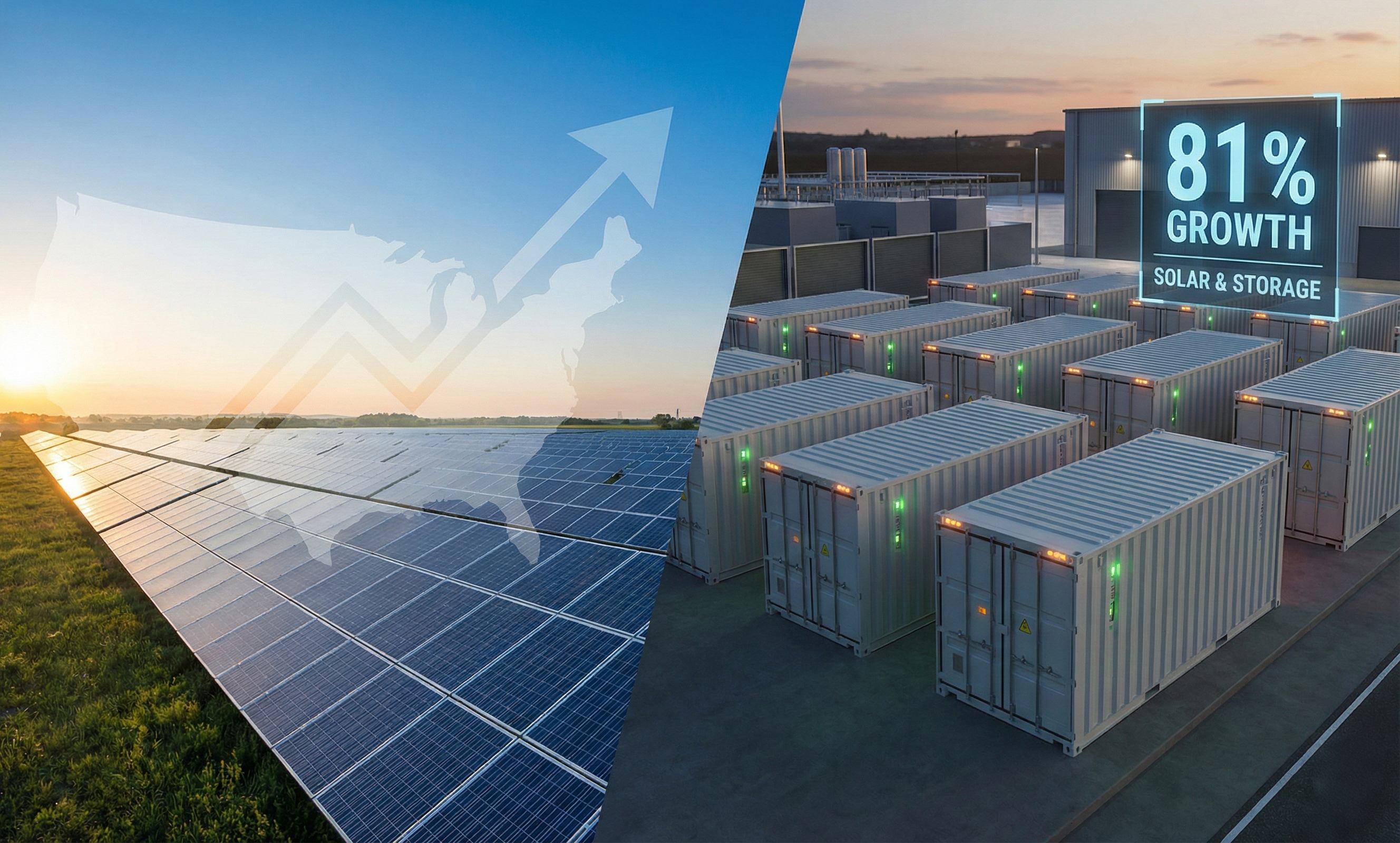 Solar and Batteries Claim 81% of U.S. Power Growth in 2025: Infrastructure Implications for Public Lighting
  Solar & Wind Street Lights vs. Incandescent Grid Lighting: Why Renewable Street Lighting Is the Future
  “All Energy Generation Will Be Solar” – Elon Musk’s Warning on Clean Energy, Solar Power, and Green Energy
 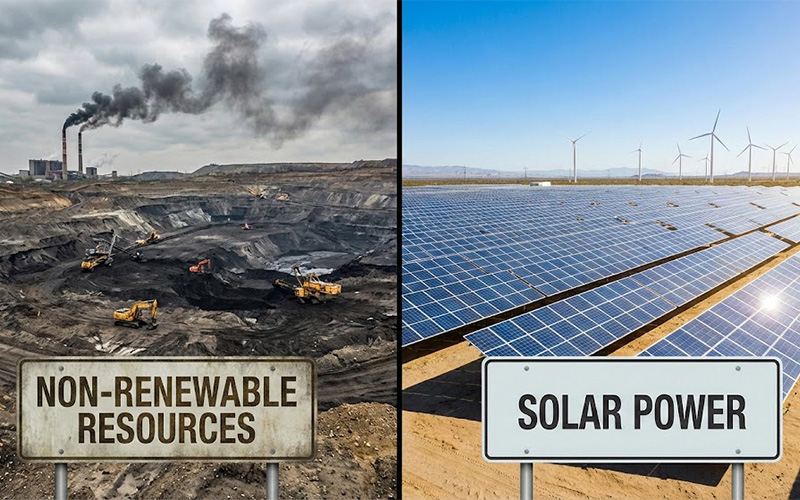 Is Solar Energy Renewable or Nonrenewable? Non-Renewable Resources vs Solar Power: Why Solar Energy Systems (a Renewable Resource) Are Replacing Fossil-Fuel Lighting
  Why Smart Street Lights Deliver the Highest ROI in Modern Smart City Technology?
  How to Choose the Best Smart Solar Street Light to Prevent Street Light Outages?
  Solar Street Lights – Farolas Solares Inteligentes: Long-Term Development, Sustainability, Smart Upgrades, and Economic Benefits for Modern Cities
 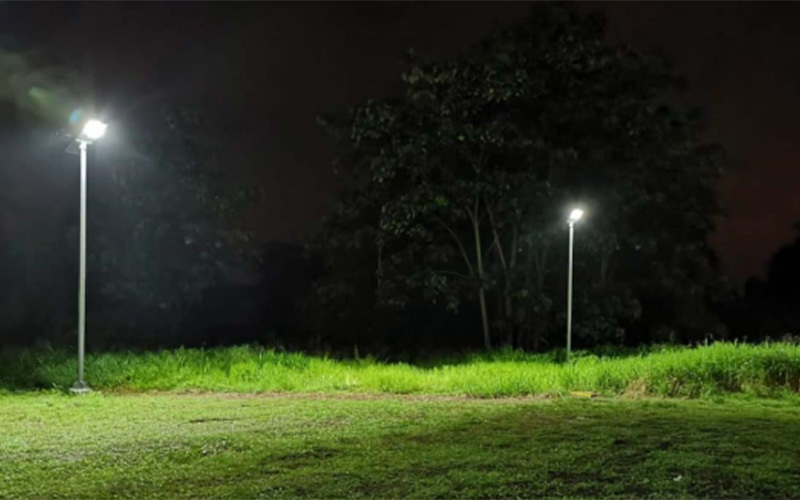 The Solar Street Light Industry in 2024-2025: Innovations, Trends, and Leading Brands
  A Solar Street Light Lamp Illuminates the Road to Rural Revitalization
  The Ultimate Instruction Of LED Solar Street Light: How it works and how to maintain
  Solar Street Light Assist To The Net-Zero Future
  Cheap Solar Equipment Is Much Of Which Turns Into E-Waste
  Solar Energy - Concept, Utilization, Advantages, & Launched Projects
  Reduce Energy Consumption Per Unit Of GDP Through Utilize Solar Energy On Outdoor Illumination
  Pull Into Hybrid Wind-Solar Sustainable Energy For Electricity Generation
  Breaking News: Residents Turns To Solar As Antidote
  Philippine Department of Public Works Develops Standard Design for Solar Lanterns on National Roads