
Solar & Wind Street Lights vs. Incandescent Grid Lighting: Why Renewable Street Lighting Is the Future
author: Aurora
2025-12-11







Clean Energy LED Lighting is Weeping Out Incandescent Bulb Lighting
Public solar lighting is entering a transformation phase. Cities, industrial parks, campuses, and rural communities are beginning to move away from conventional electric street lights that rely on incandescent light bulbs and grid power. In their place, solar street lights, solar LED street lights, and even wind-powered street lights are emerging as smarter, cleaner, and more economical alternatives.
For nearly all practical purposes, solar LED lighting is significantly better than incandescent, offering massive energy savings (up to 90% less power), much longer lifespan (25+), lower heat, greater durability, and more design flexibility, despite slightly higher upfront costs.
This shift is driven by three undeniable forces:
- Rising electricity prices
- Pressure to reduce carbon emissions
- The need for off-grid, resilient infrastructure in both urban and rural environments
This article explains—using an engineering and financial lens—how solar and wind-powered street lights surpass traditional incandescent street lights, how wiring requirements differ, and why many governments now treat renewable street lighting as a long-term strategic asset rather than a niche option.
Definitions: Four Types of Street Lighting Systems
A solar street light is a self-contained lighting system that uses a solar panel, charge controller, battery (often LiFePO₄), and an LED light source. It operates entirely off-grid and typically includes an automatic dusk-to-dawn control.
- Solar LED Street Light
A solar LED street light is an optimized variant that uses high-efficacy LED roadway lighting optics, intelligent control (dimming, motion sensing, MPPT controller), and often integrated design (all-in-one or all-in-two). It maximizes solar energy efficiency and light output per watt.
A wind-powered street light incorporates a small wind turbine mounted on or near the pole. The turbine generates electricity from wind power generation, which is stored in batteries and used to power LED luminaires. These systems may be wind-only or solar–wind hybrid, combining the advantages of wind power with solar panels for more reliable year-round generation.
- Conventional Electric Street Light Using Incandescent Light Bulb
Traditional grid-connected street lights rely on the public electricity network and incandescent light bulbs or other outdated lamp technologies. These systems require underground or overhead cabling, regular bulb replacement, and continuous electricity purchase from the utility.
Technical & Performance Comparison
- Energy Efficiency
Solar LED street light:
Typical efficacy: 160–220 lm/W
Uses LED drivers and optical lenses to focus light where needed
Typical efficacy: 160–220 lm/W
Uses LED drivers and optical lenses to focus light where needed
Wind-powered street light (LED):
Uses similar LED technology; energy is generated from wind instead of or in addition to the sun
Particularly effective in windy coastal or high-altitude locations
Incandescent street light:
Efficacy: ≈10–15 lm/W
Around 90% of power is lost as heat, not light
Conclusion: Solar and wind-powered LED systems consume 70–80% less energy for the same illumination level.
- Lifespan
LED modules: 50,000–100,000 hours
LiFePO₄ batteries: 5–8 years, depending on depth of discharge and temperature
Solar panels: 20–25+ years with gradual degradation
Incandescent bulbs: 750–1,500 hours; frequent failures
LiFePO₄ batteries: 5–8 years, depending on depth of discharge and temperature
Solar panels: 20–25+ years with gradual degradation
Incandescent bulbs: 750–1,500 hours; frequent failures
- Heat Generation
Incandescent lamps convert most electrical energy into heat. This waste:
Increases fixture temperature
Shortens component lifespan
Reduces efficiency
Solar and wind street lights using LEDs emit much less heat, improving long-term stability.
Increases fixture temperature
Shortens component lifespan
Reduces efficiency
Solar and wind street lights using LEDs emit much less heat, improving long-term stability.
- Reliability in Harsh Environments
Solar & wind systems: Built with sealed enclosures (IP65+), corrosion-resistant housings, and robust surge protection.
- Maintenance Frequency
Solar street light & solar LED street light:
Occasional panel cleaning
Battery inspection every few years
Very low routine maintenance
Occasional panel cleaning
Battery inspection every few years
Very low routine maintenance
Wind-powered street light:
Turbine inspection every 2–3 years
Similar LED and battery maintenance profile
Incandescent grid light:
Frequent bulb replacement
Cable fault repair
Higher risk of vandalism/cable theft
Solar and wind systems eliminate monthly electricity bills. Although solar power street light price or wind system cost may appear higher upfront, the payback period (ROI of solar street light) is typically 12–36 months depending on electricity tariffs and model selection. In contrast, incandescent systems lock municipalities into permanent operating expenditure.
Electrical Wiring Diagrams vs. Non-Wiring Operation
What Electrical Wiring Diagrams for Light Switches Typically Include?
Line/hot conductor from the breaker panel, Neutral return path, Ground wire for safety, Load terminal (lamp connection), Switch loop(s), Junction boxes and termination points, Connection back to the main distribution or control cabinet.
Line/hot conductor from the breaker panel, Neutral return path, Ground wire for safety, Load terminal (lamp connection), Switch loop(s), Junction boxes and termination points, Connection back to the main distribution or control cabinet.
Why Conventional Wiring Is Complex and Expensive?
Trenching and Conduit: Excavation along roads, laying conduit or cable ducts, backfilling, and resurfacing.
Cable Routing: Long runs of copper or aluminum cable, vulnerable to theft and damage.
Junction Boxes & Poles: Hardware for connections, fuses, and maintenance access.
Professional Installation: Requires licensed electricians, civil contractors, and compliance with local codes.
Grid Dependence: Outages, voltage fluctuations, and grid failures affect lighting performance.
Safety Codes & Inspection: Increased administrative overhead and risk management.
Non-Wiring Street Lighting: Solar & Hybrid Systems
Solar street light and solar LED street light systems dramatically simplify installation:
Each pole is an independent unit
Only internal wiring between panel, battery, controller, and LED
No trenching, no external switch wiring, no connection to the grid
Only internal wiring between panel, battery, controller, and LED
No trenching, no external switch wiring, no connection to the grid
This non-wiring street lighting architecture makes them particularly suitable for:
Rural roads
New industrial parks
Remote communities
Disaster recovery zones
New industrial parks
Remote communities
Disaster recovery zones
Wind-powered street lights follow a similar pattern: the wind turbine feeds the controller and battery, and the LED light draws from local storage—no external cabling necessary.
Advantages of Solar & Wind Street Lights
- Renewable Energy Source
- No Electricity Bills
- Zero Trenching, Zero Wiring
- Lower Long-Term Maintenance
- Superior Durability
- Energy Independence & Safety
- Strong ROI
Engineering Case Study: Solar Street Light Project in Nigeria
In this project, our solar street lights were not treated as “hardware.” They were treated as field teammates—expected to show up every night, on time, in heat, dust, rain, and unstable infrastructure conditions. Nigeria’s environment and deployment realities don’t forgive weak design, sloppy installation, or vague responsibility boundaries. So we ran this like an engineering program, not a shipment.
Client goal: reliable night lighting for an off-grid / weak-grid area (roads + community paths), reduced electricity cost, and lower maintenance burden.
Core constraints: variable sunlight seasonality, dust (harmattan), heavy rain, theft risk, mixed soil conditions, and limited access to lift equipment in some zones.
Core constraints: variable sunlight seasonality, dust (harmattan), heavy rain, theft risk, mixed soil conditions, and limited access to lift equipment in some zones.
Major problems we faced—and how we solved them (field-realistic)
Seasonal performance anxiety (harmattan dust + variable sunlight)
Increased design margin in PV sizing where necessary
Used MPPT to improve harvesting in non-ideal conditions
Specified maintenance-friendly panel angle and cleaning access
Implemented dimming curves to protect autonomy during low-generation days
Provided a simple inspection SOP: “clean, check bolts, check battery health indicators.”
Used MPPT to improve harvesting in non-ideal conditions
Specified maintenance-friendly panel angle and cleaning access
Implemented dimming curves to protect autonomy during low-generation days
Provided a simple inspection SOP: “clean, check bolts, check battery health indicators.”
Battery life risk under heat + misuse
What happened: High ambient temperatures and incorrect
LiFePO4 selection + thermal-aware BMS configuration
Conservative depth-of-discharge strategy (protect cycle life)
Brightness scheduling aligned with human activity peaks
Training: explaining why smart dimming is not ‘less quality’ but ‘long-life engineering.’
Conservative depth-of-discharge strategy (protect cycle life)
Brightness scheduling aligned with human activity peaks
Training: explaining why smart dimming is not ‘less quality’ but ‘long-life engineering.’
Outcomes: what the project achieved (engineering + operational)
Reliable lighting without grid dependency (primary objective met)
Reduced operating cost versus diesel or grid extension scenarios
Lower maintenance frequency due to no trenching/cabling failures typical of wired systems
Improved nighttime safety and usability of roads/pathways
Better predictability: the system “budgeted its own energy” through smart dimming and MPPT harvesting
Solar street lights, solar LED street lights, and wind-powered street lights are not experimental technologies—they are mature, field-proven solutions that consistently outperform conventional grid-connected incandescent systems in efficiency, reliability, safety, and cost. With rising interest in solar energy news, increasing awareness of renewable energy benefits, and the strong performance of modern energy solar tech, it is clear that the future of public lighting will be renewable, off-grid, intelligent, and low-maintenance.
FAQs about Solar Lighting
What is the price of solar street lights in Nigeria?
Solar street light price in Nigeria typically ranges from USD 85–120 for small models, USD 130–180 for mid-range, and USD 200–250 for engineering-grade solutions, depending on wattage, battery type, and component quality.
Solar street light price in Nigeria typically ranges from USD 85–120 for small models, USD 130–180 for mid-range, and USD 200–250 for engineering-grade solutions, depending on wattage, battery type, and component quality.
How do solar street lights work?
A solar street light uses a solar panel to charge a battery via an MPPT or PWM controller during the day. At night, the battery powers an LED lamp automatically based on a light sensor or timer, providing off-grid illumination.
A solar street light uses a solar panel to charge a battery via an MPPT or PWM controller during the day. At night, the battery powers an LED lamp automatically based on a light sensor or timer, providing off-grid illumination.
Are solar LED street lights better than conventional street lights?
Yes. Solar LED street lights offer higher energy efficiency, longer lifespan, zero electricity bills, and require no external wiring, making them more cost-effective over the system's lifetime.
Yes. Solar LED street lights offer higher energy efficiency, longer lifespan, zero electricity bills, and require no external wiring, making them more cost-effective over the system's lifetime.
Why are electrical wiring diagrams for light switches complicated?
Electrical wiring diagrams for light switch systems must account for line, neutral, ground, load terminals, breaker panels, junction boxes, and safety codes. This complexity increases installation cost and risk, especially over large road networks.
Electrical wiring diagrams for light switch systems must account for line, neutral, ground, load terminals, breaker panels, junction boxes, and safety codes. This complexity increases installation cost and risk, especially over large road networks.
How does wind power generation work for street lighting?
Wind power generation uses a turbine to convert kinetic wind energy into electricity. The power is regulated by a controller, stored in batteries, and then used to drive LED luminaires—similar to solar systems but using wind instead of sunlight.
Wind power generation uses a turbine to convert kinetic wind energy into electricity. The power is regulated by a controller, stored in batteries, and then used to drive LED luminaires—similar to solar systems but using wind instead of sunlight.
Solar street light vs incandescent street light — which is more cost-effective?
Over the long term, solar street lights are far more cost-effective due to zero electricity costs, lower maintenance, longer lifespan, and independence from grid failures.
Over the long term, solar street lights are far more cost-effective due to zero electricity costs, lower maintenance, longer lifespan, and independence from grid failures.
Hot-Selling Solar Street Light


 A Preview of the 2026 Barcelona Smart City Exhibition: Why Multi-Functional Smart Poles Are Emerging as a New Urban Standard?
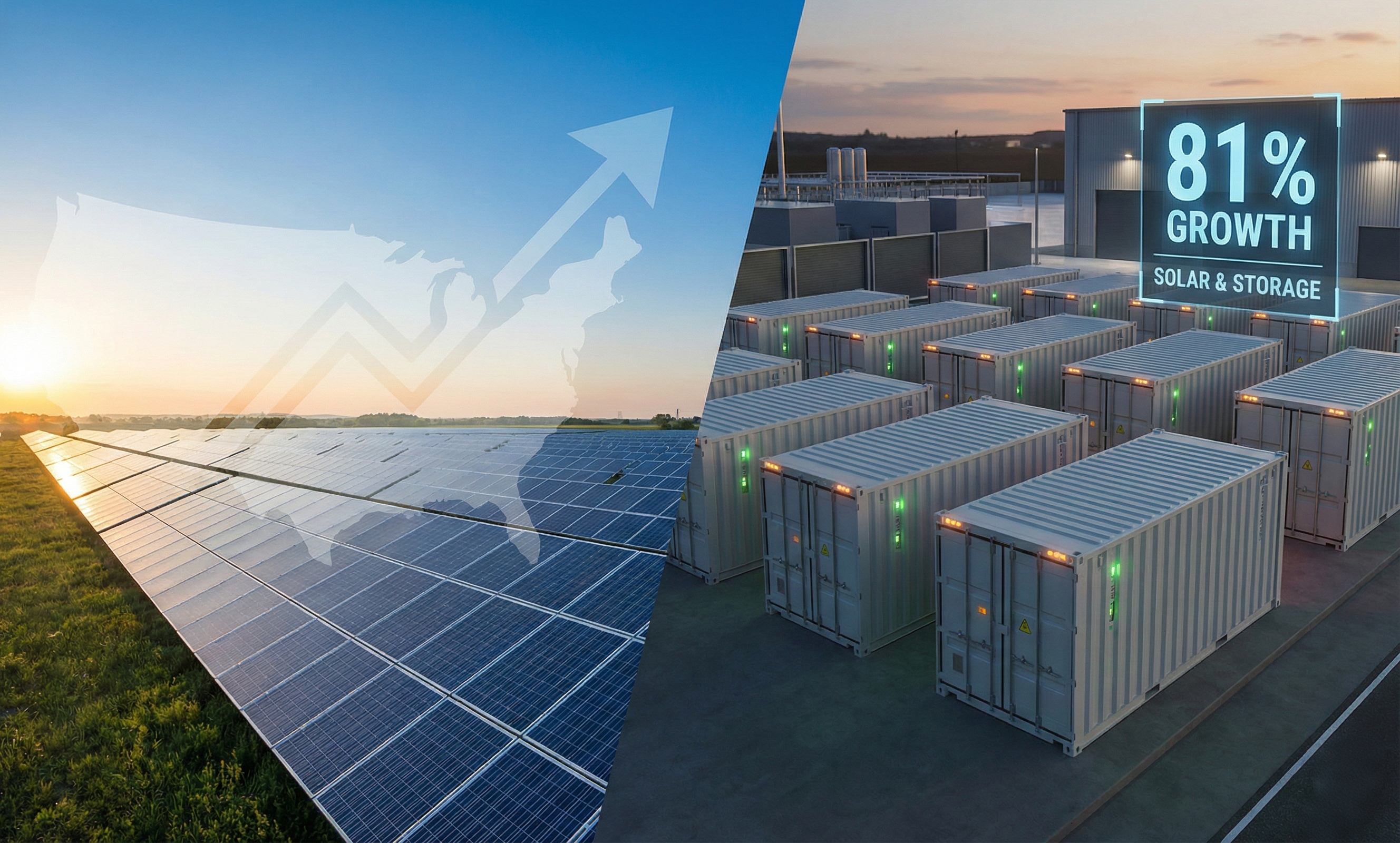 Solar and Batteries Claim 81% of U.S. Power Growth in 2025: Infrastructure Implications for Public Lighting
 “All Energy Generation Will Be Solar” – Elon Musk’s Warning on Clean Energy, Solar Power, and Green Energy
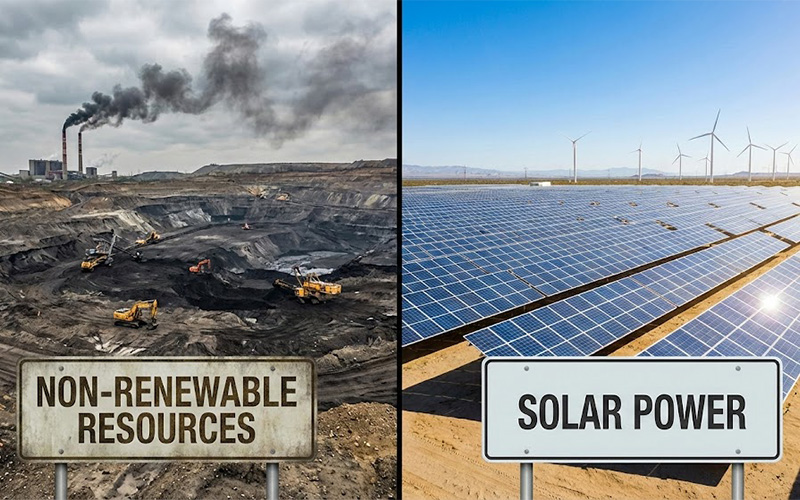 Is Solar Energy Renewable or Nonrenewable? Non-Renewable Resources vs Solar Power: Why Solar Energy Systems (a Renewable Resource) Are Replacing Fossil-Fuel Lighting
 Why Smart Street Lights Deliver the Highest ROI in Modern Smart City Technology?
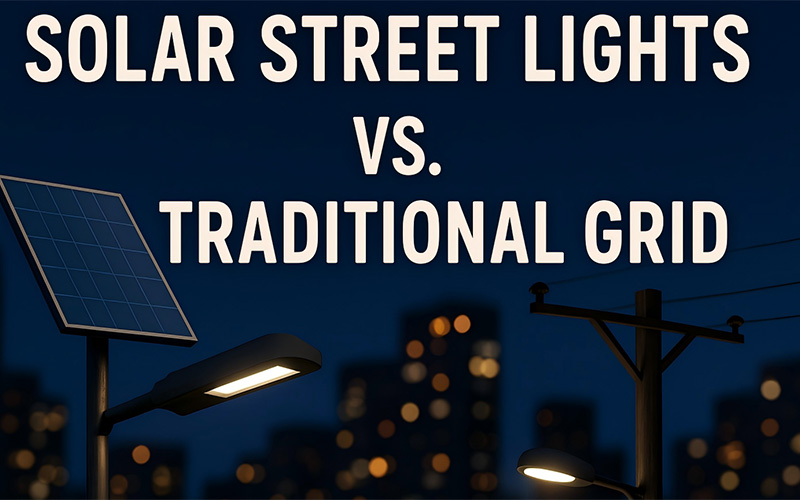 Solar Street Lights vs. Traditional Grid: The Real Cost Breakdown
 How to Choose the Best Smart Solar Street Light to Prevent Street Light Outages?
 Solar Street Lights – Farolas Solares Inteligentes: Long-Term Development, Sustainability, Smart Upgrades, and Economic Benefits for Modern Cities
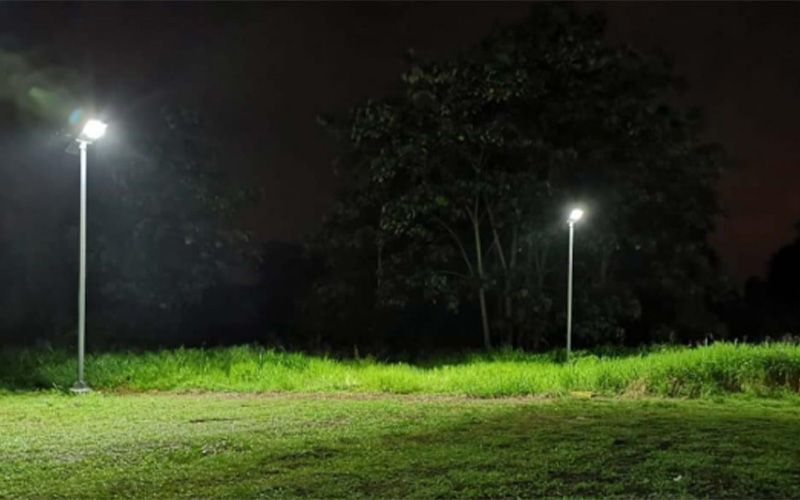 The Solar Street Light Industry in 2024-2025: Innovations, Trends, and Leading Brands
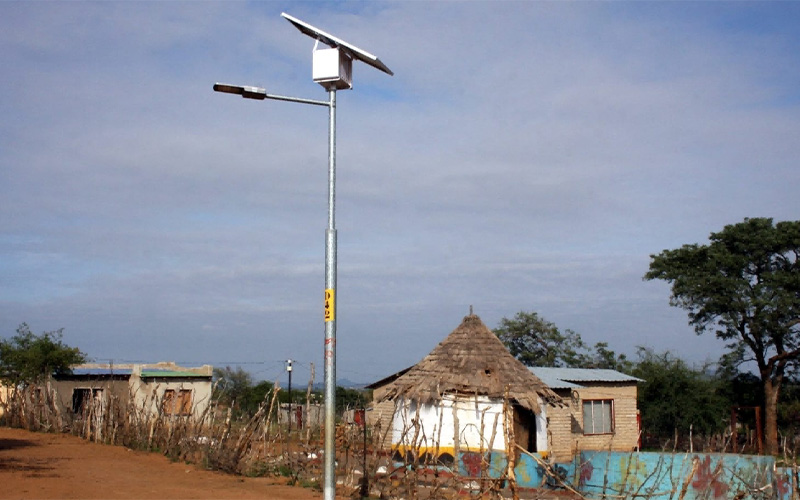 A Solar Street Light Lamp Illuminates the Road to Rural Revitalization
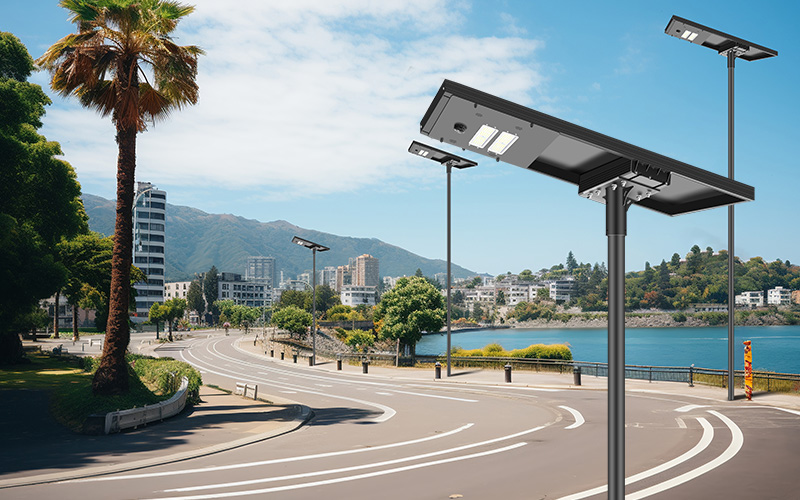 The Ultimate Instruction Of LED Solar Street Light: How it works and how to maintain
 Solar Street Light Assist To The Net-Zero Future
 Cheap Solar Equipment Is Much Of Which Turns Into E-Waste
 Solar Energy - Concept, Utilization, Advantages, & Launched Projects
 Reduce Energy Consumption Per Unit Of GDP Through Utilize Solar Energy On Outdoor Illumination
 Pull Into Hybrid Wind-Solar Sustainable Energy For Electricity Generation
 Breaking News: Residents Turns To Solar As Antidote
 Philippine Department of Public Works Develops Standard Design for Solar Lanterns on National Roads