
What are the Best Low Temperature Batteries?






What is lithium battery low temperature?
As the name implies, low temperature li-ion battery features the function of resistance ultra-low temperature and maintains operation in the high-latitude cold region. Let's get rid of the stereotype of solar streetlights, most people assume that they will surely be installed in sunny places for plenty of energy. With the development and research of technology, plain solar street lights have been developed to the next level, with various functions like advanced smart poles, and more ways for power uptake such as solar and wind power for the hybrid type.
All things considered, the lithium battery low temperature has superior efficiency and ultra-low temperature condition resistance function. It can be used in a wider range of application scenarios and regions. The low temperature li-ion battery is the best cost-effective choice for its stable performance, fewer malfunctions and maintenance costs, etc.
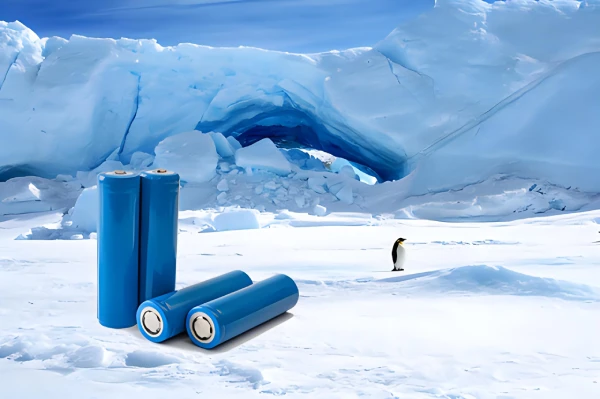

For the past few years, photovoltaic power generation has become more and more major no matter of economics or eco-friendliness angle. From the long-term perspective, there is no doubt that green power must take the wheel in global development.
Finish a digression and get back to the main subject, BOSUN Lighting has invented a new generation of products - ultra-low temperature batteries that have superior performance. Landed projects of solar street lights can cover more regions for chasing the UN's Sustainable Development Goals.
BOSUN® Low Temperature Li-ion Battery

Superiority of ultra low temperature batteries
Adaptability to Extreme Conditions: The solar street light with an ultra low temperature batteries operates reliably in harsh environments, withstanding temperatures as low as -40°C. This ensures continuous functionality in cold climates and ultra-low temperature scenarios and high-latitude areas. Making wide use of solar street lights, and adding low temperature li-ion battery support, solar powered streetlights are not only limited in the implies of the 'solar', even in cold places are feasible to install as long as the sunlight reaches.
Broad Temperature Ranges Of Utilization: The low temperature li-ion battery solar street light is designed for broad application across varying temperatures and countries, making it suitable for cold outdoor settings and high-altitude areas. Sharing the eco-friendly triumph through this low temperature li-ion battery solar street light. Charging temperature is -10~60℃, discharge temperature is -40~65℃, storage temperature is -40~35℃. For more specifications and parameters please click here.
Consistent Performance: The equipment maintains stable and consistent performance even in low-temperature environments, ensuring operational reliability. Avoiding most uncertainties and unsteady defeat occurs, unswerving uphold the long life-span commitment that BOSUN Lighting has announced. Stable performance is virtually equal reducing the maintenance and workforce costs, not to mention it has been matching the global sustainability goal. Most countries are initiating to promote vigorously.
Reduced Risk of Malfunctions: The risk of equipment failure due to battery issues in low-temperature conditions is significantly minimized. It is the essential factor that customers should consider the most, it literally stands for the long life-span, eco-friendly and sustainability, virtually equal to the reduction of malfunctions and easily maintained. Please scroll through and read the specifications parameters and test results, qualified low temperature li-ion battery must reach the conditions mentioned above.
Prolonged Usage: The ultra low temperature batteries solar streetlights offer extended power support in low temperatures, enhancing the effective operational lifespan of the solar street light with low temperature li-ion battery.
Enhanced Safety: The solar street light with an ultra low temperature batteries exhibits superior safety characteristics, reducing the likelihood of safety hazards in low-temperature environments.
Lower Maintenance Costs: Its enhanced resistance to low temperatures minimizes the need for frequent low temperature li-ion battery replacements or repairs, thereby reducing maintenance expenses.

Test Report
This report outlines the testing procedures and results for the low-temperature performance and ensuring compliance with international standards. Turns out this -40°C low-temperature battery demonstrates excellent performance under low-temperature conditions.


Can all of the solar street lights be equipped with ultra low temperature batteries?

2. Wide Light Coverage
3. Color Temperature Optional
4. 12 Hours Run Time
5. Short Charging Time
6. Motion Sensor For Energy-Saving
7. Various Installation Options
8. Best Material & Quality
9. IP65 WaterProof
10. Patented Technology-Solar Charge Controller

FAQs of ultra low temperature batteries
Low-temperature batteries are engineered with materials and chemical compositions that allow them to function effectively in cold environments. They have better resistance to cold, enabling them to deliver stable performance, maintain charging, and avoid power loss or reduced capacity in extremely cold areas.
Low-temperature batteries can typically operate in a wide range of conditions, often from -40°C (-40°F) to around 65°C (149°F), which supports the expansion of the application scenarios of solar street lights.
Low-temperature batteries often have a longer lifespan in cold environments compared to standard batteries. BOSUN guarantees 3 years warranty. Durability of low temperature li-ion battery in extremely cold environments often translates to fewer replacements and lower maintenance costs over time.
While low-temperature batteries offer significant advantages in cold environments. Choosing the right low temperature li-ion battery type for your specific environment is important. It can affect the devices you use or it may lead to other malfunctions.


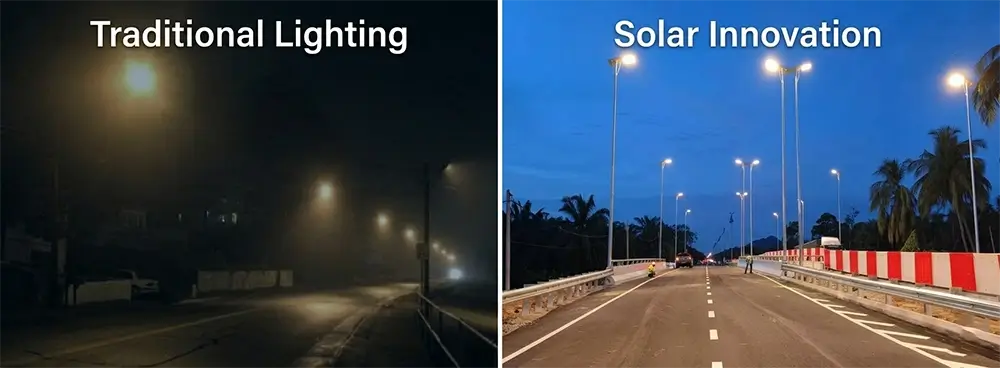 Smart Street Light Deployment for Transportation Infrastructure in Indonesia
  What Is a NEMA Controller?
 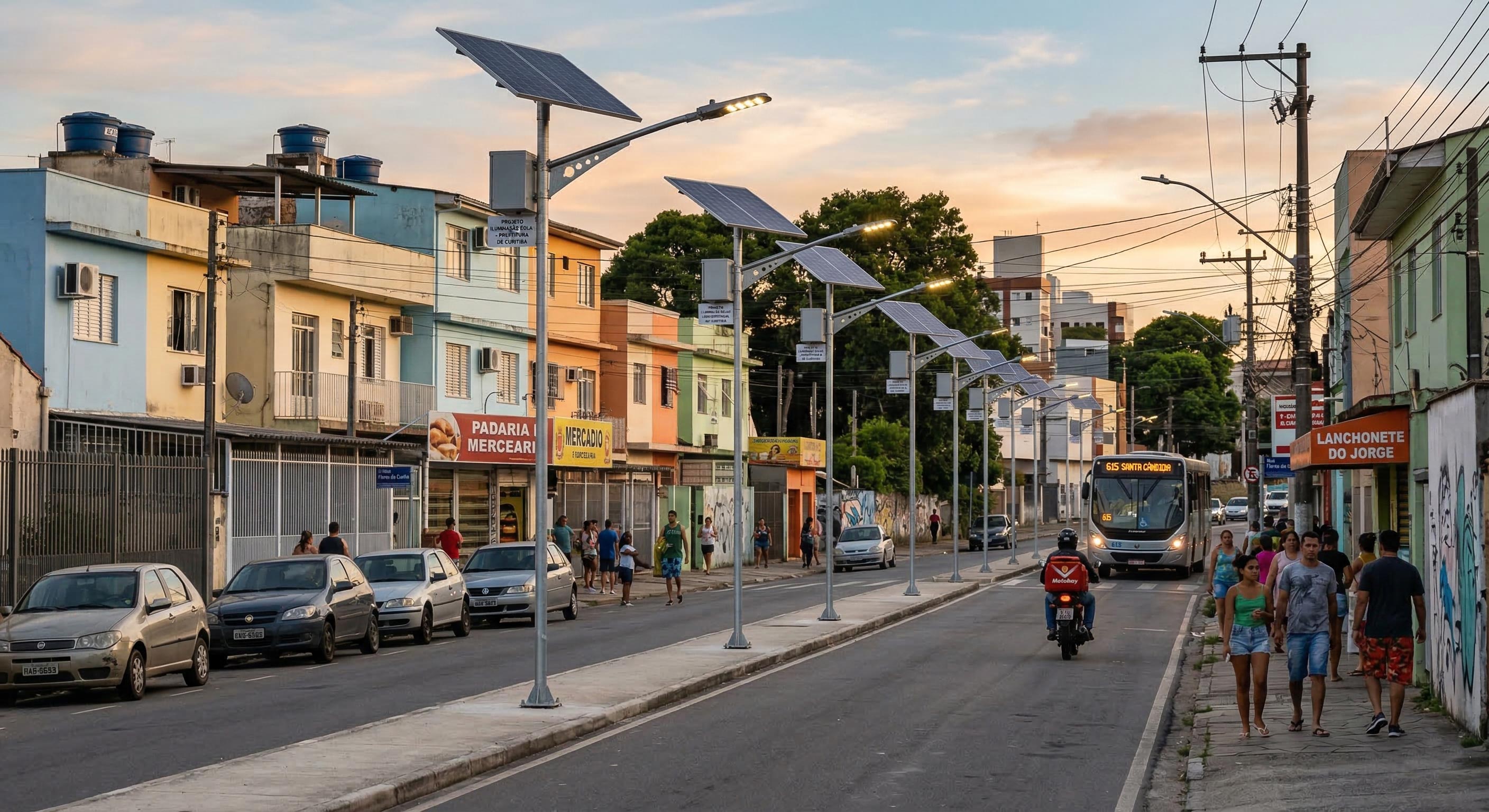 Best Solar Street Light Manufacturer? Start With These Questions
  Full-Scope Solar Street Lighting Packages & Custom Solutions for Municipalities & Developers
 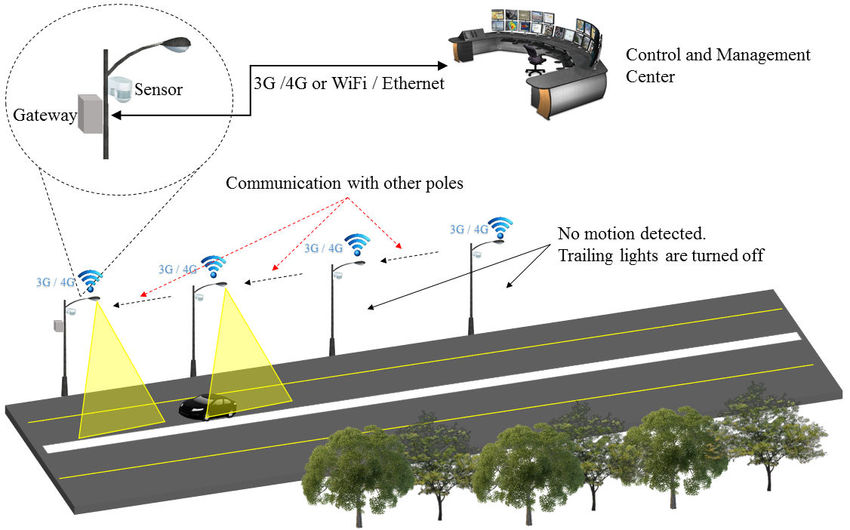 Cloud-Synergy Smart Street Light Surveillance System for Smart City Development
  How Do Solar Lights Work?
 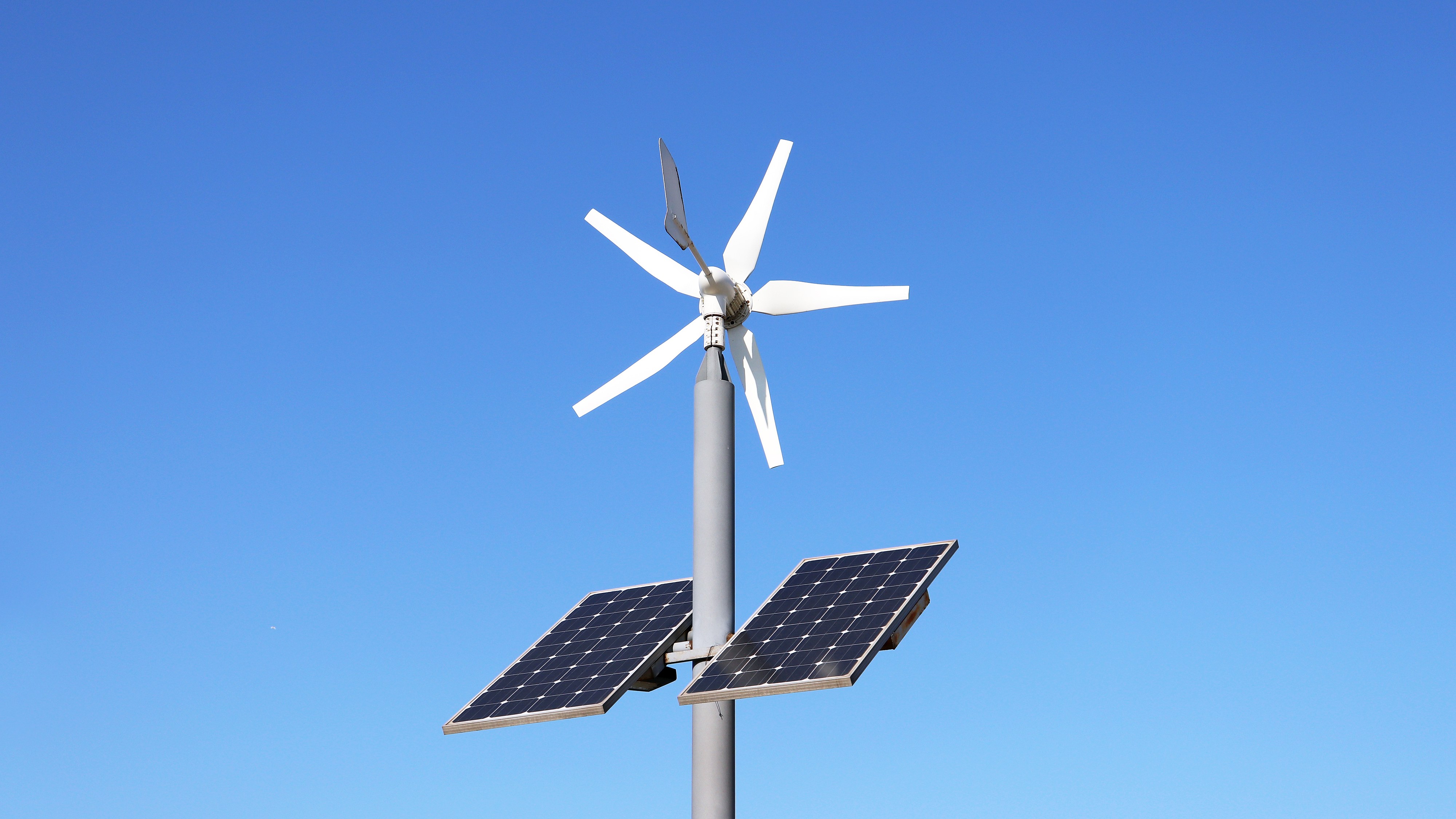 Clarification about Solar Wind Turbine Street Light: Preferred Choice for Remote Area Lighting & Wind Power System
 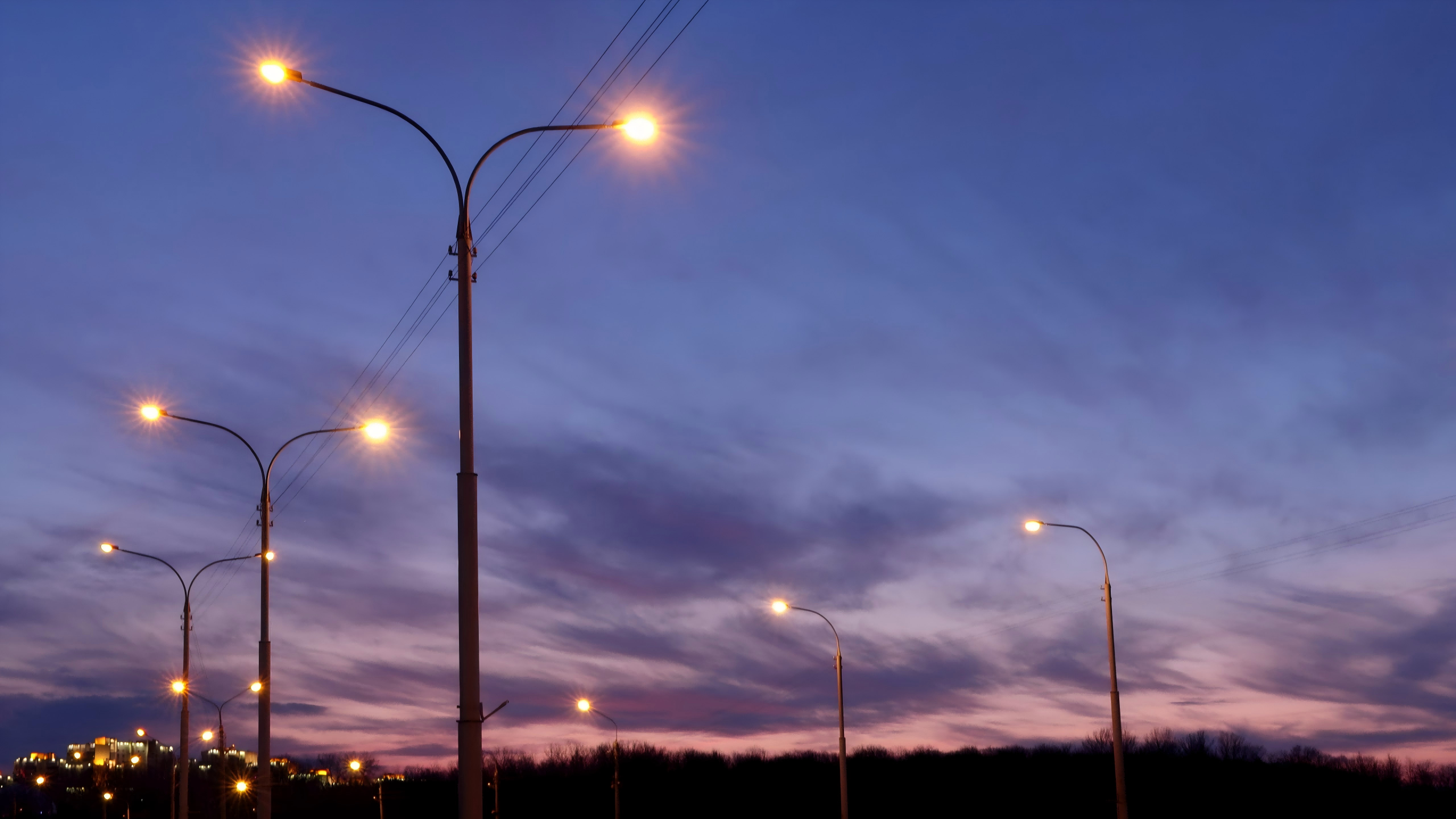 The Most Intelligible Instruction about Intelligent Solar Street Light & Engineering Project Showcase
 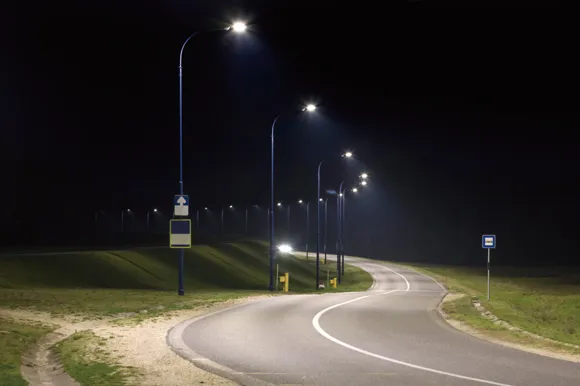 Integrated solar street lights promote urban lighting progress
 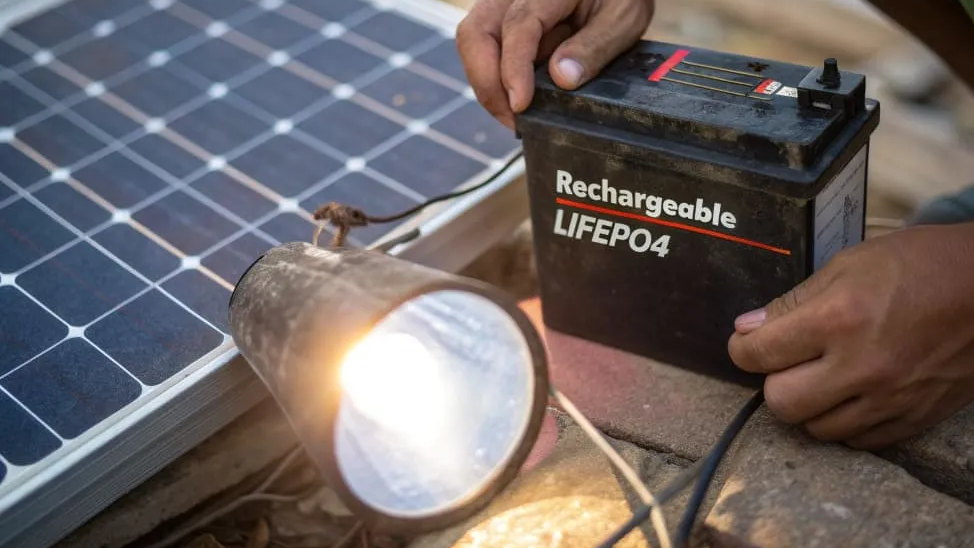 What is the Life Expectancy of the Solar Panel, LED Fixture, and LiFePO4 Batteries?
 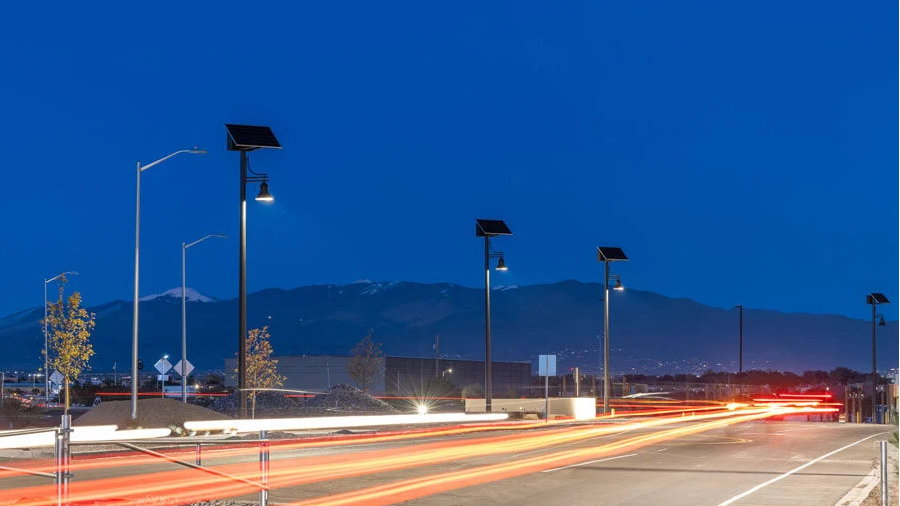 Feasibility of LED Photovoltaic Lighting System in Municipal Construction
  Roadway Lighting Solutions | JH Series for Municipal Projects
 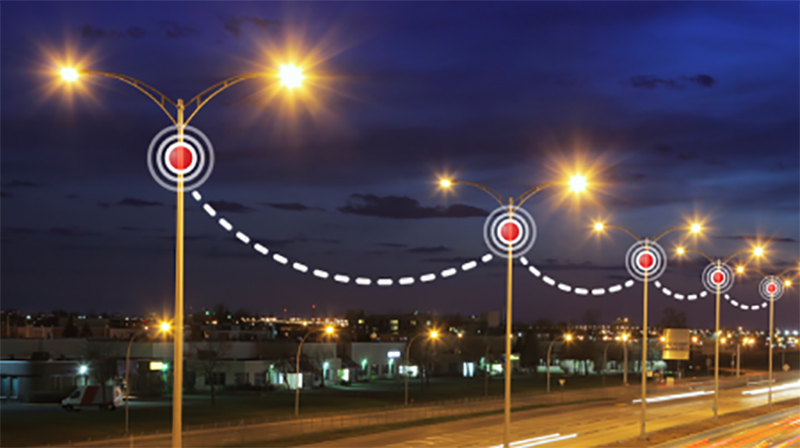 How to Design & Realize LoRa-MESH IoT Solar Street Light City Project?
  How to Design the Perfect Well-Considered Smart Light Pole City Road Lighting Solution?
  Design and Application of All-in-One Solar Street Light with MPPT Charge Controller
  The Ultimate Guide to City Street Light Poles and Smart LED Lighting
  Understanding the Differences Between All-in-One, All-in-Two, and Split Solar LED Street Lights
  Applications and Fundamentals of Lithium Batteries in Solar Street Lights
  Smart Pole Accessory Modules for Middle East Smart Cities
  Hybrid Solar Street Lighting: Renewable Energy Pros and Cons of Solar, Wind, and the Future