
Smart Street Light Deployment for Transportation Infrastructure in Indonesia
2026-04-13
Infrastructure Context for Transportation Development in Indonesia
Indonesia’s transportation infrastructure has undergone continuous expansion, particularly in highway networks and urban arterial roads. These developments require lighting systems that are not only compliant with road safety standards but also adaptable to varying environmental and operational conditions.
In large-scale road infrastructure, lighting is no longer treated as an isolated system. Instead, it is integrated into broader urban infrastructure frameworks, where operational efficiency, maintenance accessibility, and centralized management are critical.
The deployment environment typically includes:
* Long-distance highway corridors with limited maintenance access
* Dense urban road networks with varying traffic density
* Regions with high humidity and seasonal rainfall
* Mixed infrastructure zones combining new and existing systems
These conditions create a need for lighting systems that function as part of an intelligent infrastructure layer rather than standalone fixtures.
Key Infrastructure and Lighting Challenges in Transportation Environments
In highway and urban road applications, several engineering challenges directly influence lighting system design:
1. Distributed Asset Management Complexity
Lighting assets are spread across long distances, making manual inspection inefficient and costly.
2. Environmental Exposure
High humidity, rainfall, and temperature variations affect electrical and structural components.
3. Energy Utilization Inefficiencies
Conventional lighting systems operate on fixed schedules without adapting to traffic or environmental conditions.
4. Maintenance Accessibility Constraints
In highway environments, maintenance often requires traffic control measures, increasing operational disruption.
5. Lack of System Integration
Traditional lighting systems operate independently, without integration into broader smart infrastructure platforms.
These challenges require a system-level engineering approach rather than incremental product upgrades.
Solution Overview: Why Smart Street Light Was Selected
The smart street light system was selected due to its ability to function as an integrated infrastructure node, combining lighting, control, and communication within a unified architecture.
Instead of focusing solely on illumination, the system supports:
* Centralized monitoring and control
* Adaptive lighting strategies
* Real-time operational feedback
* Compatibility with smart city platforms
This aligns with infrastructure-level requirements where lighting must support both safety and operational intelligence.
Why This Product Architecture Solves Real Project Challenges
System Integration Logic
The architecture integrates lighting units with communication modules and control systems, enabling each pole to operate as part of a network rather than an isolated unit.
Environmental Adaptability
Structural and electrical components are designed to withstand humidity and outdoor exposure, ensuring stable operation under varying climatic conditions.
Modularity and Scalability
Each unit functions independently while remaining connected to the system, allowing phased deployment across different road sections.
Centralized Operation and Management
A centralized control platform enables:
* Remote switching and dimming
* Fault detection and diagnostics
* Operational data collection
This reduces the need for on-site intervention.
Core System Architecture and Functional Design
Lighting Role
The lighting system provides consistent roadway illumination aligned with traffic safety requirements, ensuring visibility across different road types.
Energy System Logic
Depending on site conditions, the system supports grid-based or hybrid configurations, ensuring stable operation even in areas with inconsistent power availability.
Communication and Control Architecture
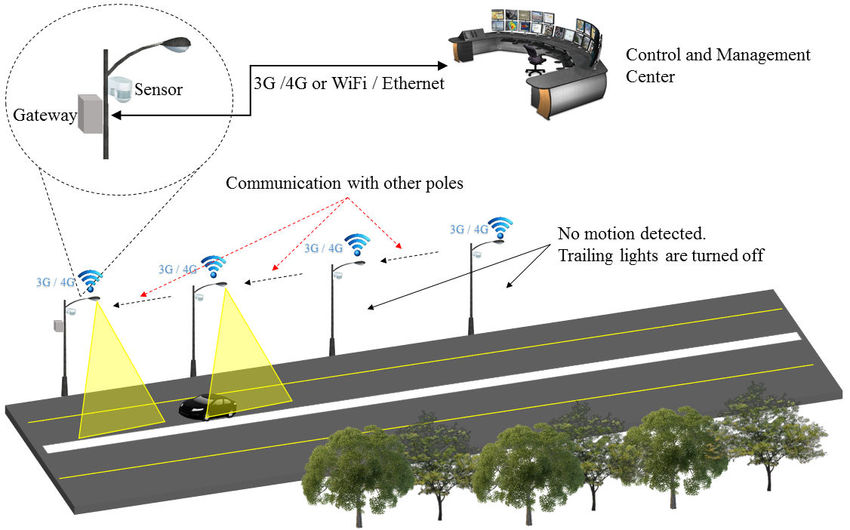
The system integrates wireless communication modules that connect each lighting unit to a centralized control platform. This enables:
* Real-time monitoring
* Remote configuration
* Automated scheduling
Structural Considerations
Poles and fixtures are designed for:
* Wind resistance
* Corrosion protection
* Long-term outdoor durability
This ensures structural integrity in highway environments.
Working Principle in Real-World Project Conditions
Under real operating conditions, the system functions through coordinated interaction between hardware and software components:
1. Sensors and control modules collect operational data
2. Data is transmitted to a central management platform
3. Control commands are issued based on predefined logic or real-time conditions
4. Lighting output is adjusted dynamically
This closed-loop system enables adaptive operation without manual intervention.
Project Case Study: Smart Infrastructure Deployment in Indonesia
Project Background and Existing Conditions
The project involved roadway segments where traditional lighting systems lacked centralized control and required manual maintenance. Environmental exposure and infrastructure scale created operational inefficiencies.
Solution Design Logic
The design prioritized:
* Networked lighting architecture
* Remote monitoring capability
* Compatibility with existing infrastructure
The goal was to transition from isolated lighting units to an integrated system.
Implementation and On-Site Deployment
Deployment followed a phased approach:
* Installation of smart lighting units along designated road sections
* Integration of communication modules
* Connection to centralized control platform
On-site adjustments ensured alignment with actual road conditions.
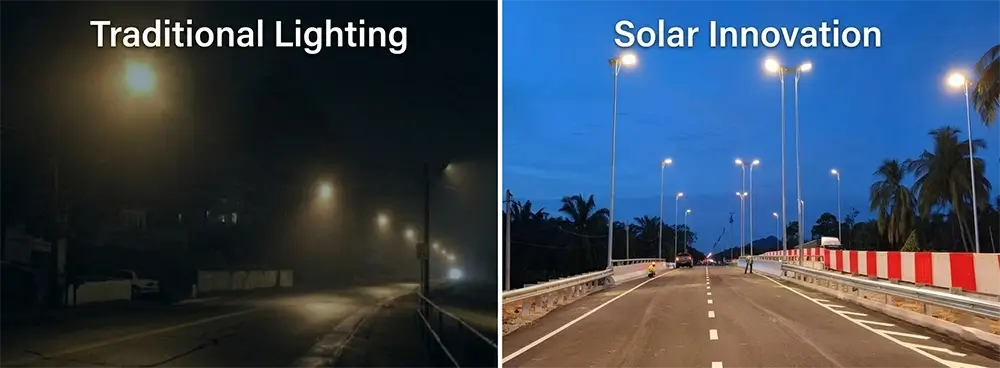
Observed Engineering Impact (Before vs After)
Before:
* Manual operation
* Limited fault visibility
* Fixed lighting schedules
After:
* Real-time fault detection
* Adaptive lighting control
Long-Term Value and Replicability
The system demonstrates scalability across:
* Highway extensions
* Urban road networks
Its modular design allows replication without redesigning the entire system.
Planning Considerations for Similar Projects in Indonesia
When planning similar infrastructure deployments, the following factors are critical:
* Road classification and lighting requirements
* Power supply conditions
* Communication network availability
* Environmental exposure levels
* Integration with existing infrastructure systems
Early-stage system design should align with long-term operational strategies.

Frequently Asked Questions about Indonesian Highway Infrastructure
Q1: How does smart street lighting improve highway operations?
It enables centralized monitoring and adaptive control, reducing manual intervention and improving operational efficiency.
Q2: Is the system suitable for high-humidity environments?
Yes, the design considers environmental exposure, ensuring stable operation under such conditions.
Q3: Can the system integrate with existing infrastructure?
It is designed to be compatible with both new and existing lighting systems.
Q4: What is the main advantage of centralized control?
It allows real-time monitoring, remote configuration, and faster fault response.
Q5: Is the system scalable for large road networks?
Yes, modular architecture enables phased expansion without system redesign.
 What Is a NEMA Controller?
  Best Solar Street Light Manufacturer? Start With These Questions
  Full-Scope Solar Street Lighting Packages & Custom Solutions for Municipalities & Developers
  Cloud-Synergy Smart Street Light Surveillance System for Smart City Development
  How Do Solar Lights Work?
  Clarification about Solar Wind Turbine Street Light: Preferred Choice for Remote Area Lighting & Wind Power System
  The Most Intelligible Instruction about Intelligent Solar Street Light & Engineering Project Showcase
  Integrated solar street lights promote urban lighting progress
  What is the Life Expectancy of the Solar Panel, LED Fixture, and LiFePO4 Batteries?
  Feasibility of LED Photovoltaic Lighting System in Municipal Construction
  Roadway Lighting Solutions | JH Series for Municipal Projects
 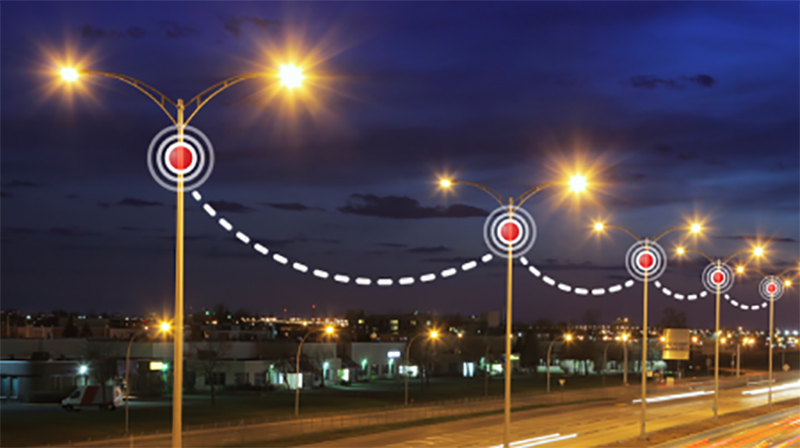 How to Design & Realize LoRa-MESH IoT Solar Street Light City Project?
  How to Design the Perfect Well-Considered Smart Light Pole City Road Lighting Solution?
  Design and Application of All-in-One Solar Street Light with MPPT Charge Controller
  The Ultimate Guide to City Street Light Poles and Smart LED Lighting
 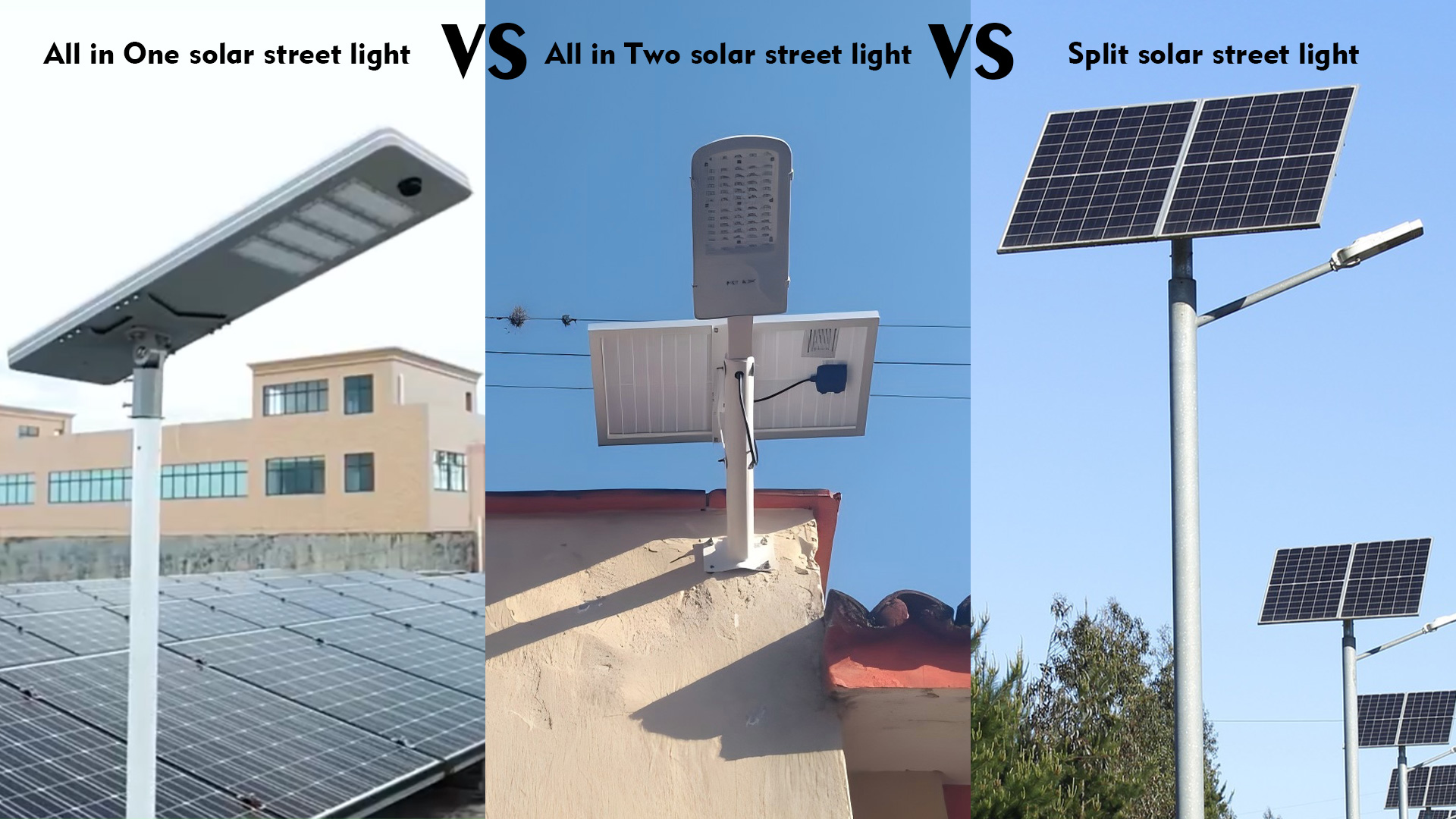 Understanding the Differences Between All-in-One, All-in-Two, and Split Solar LED Street Lights
 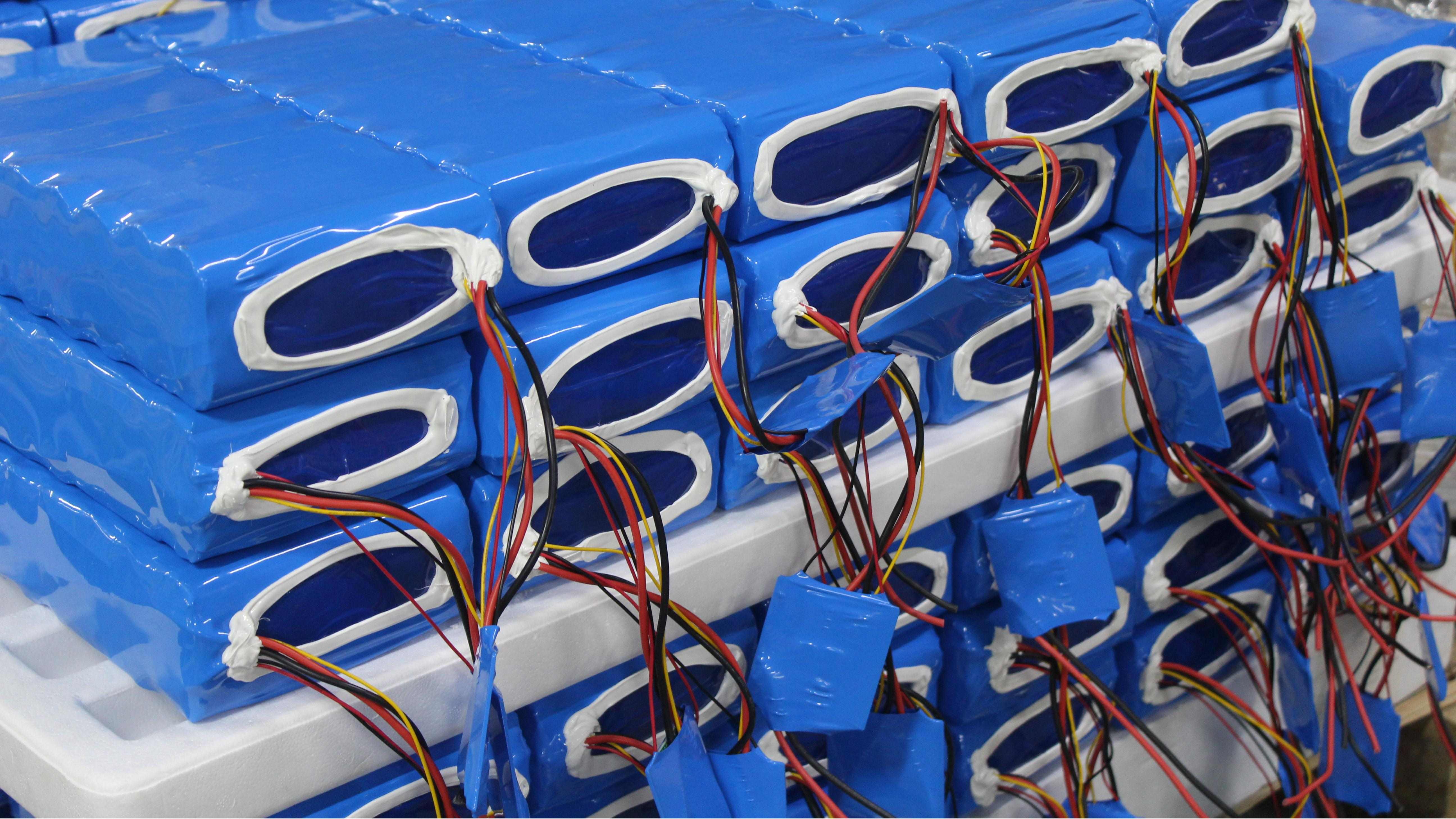 Applications and Fundamentals of Lithium Batteries in Solar Street Lights
  Smart Pole Accessory Modules for Middle East Smart Cities
  Hybrid Solar Street Lighting: Renewable Energy Pros and Cons of Solar, Wind, and the Future
  Solar Flood Lights Transforming Sports Facilities