
Solar Flood Lights Transforming Sports Facilities
2025-03-24
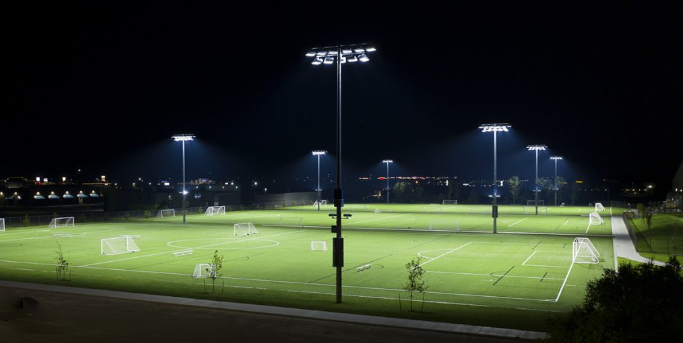
In today's rapidly evolving world, sustainable energy solutions are redefining the way we power our public spaces. Among these, solar flood lights have emerged as an innovative solution that combines environmental friendliness with high performance. This article explores how solar flood lights are revolutionizing sports facilities, detailing real-world applications, project case studies, and usage scenarios. Whether for expansive football fields or dynamic basketball courts, these lighting solutions are designed to enhance safety, boost energy efficiency, and create vibrant atmospheres for sports events and community activities.
In this article, we will examine the many facets of solar flood light technology, discuss its benefits, and explore how cutting-edge designs are meeting the specific needs of sports facilities. With a focus on both performance and durability, the discussion spans the technological innovations behind solar flood lights, the advantages of incorporating renewable energy into sports infrastructure, and the strategic planning that goes into selecting the right lighting system for any project.
The Rise of Renewable Lighting in Sports Facilities
The Need for Sustainable Lighting Solutions
As environmental concerns continue to drive innovations across various industries, sports facilities are increasingly looking for energy-efficient and sustainable lighting options. Traditional lighting systems often require complex wiring, significant energy consumption, and regular maintenance. In contrast, solar-powered solutions eliminate these challenges by harnessing the sun’s energy to provide consistent, powerful illumination.
The integration of solar technology in flood lighting offers multiple benefits:
-
Energy Efficiency: Solar panels convert sunlight into electricity, reducing dependency on grid power and lowering energy bills.
-
Cost Savings: Lower operating costs translate into long-term savings, making solar solutions an attractive investment.
-
Environmental Impact: By using renewable energy, sports facilities contribute to reducing carbon emissions and promoting a greener future.
-
Ease of Installation: Solar systems are relatively simple to install compared to conventional wired lighting, allowing for quick deployment in remote or hard-to-reach areas.
Technological Innovations in Solar Flood Lighting
Recent advancements in photovoltaic technology, battery storage, and LED lighting have enabled the development of sophisticated solar flood lights tailored to the rigorous demands of sports facilities. Innovations in high-efficiency solar panels ensure that these lights capture and convert sunlight more effectively, even in less-than-ideal weather conditions. Meanwhile, state-of-the-art LED technology delivers superior brightness and color rendering, making sports fields and courts look their best during nighttime events.
Modern solar flood lights also incorporate smart features, including:
-
Automatic Dimming and Brightening: Sensors adjust brightness in real time based on ambient light and activity levels.
-
Remote Monitoring and Control: Facility managers can monitor system performance, track energy usage, and adjust settings from a centralized dashboard.
-
Weather Resistance: Engineered to withstand harsh weather conditions, these lights are designed for durability in outdoor environments.
These technological advancements make solar flood lights a reliable choice for sports applications, where consistent and high-quality illumination is crucial.

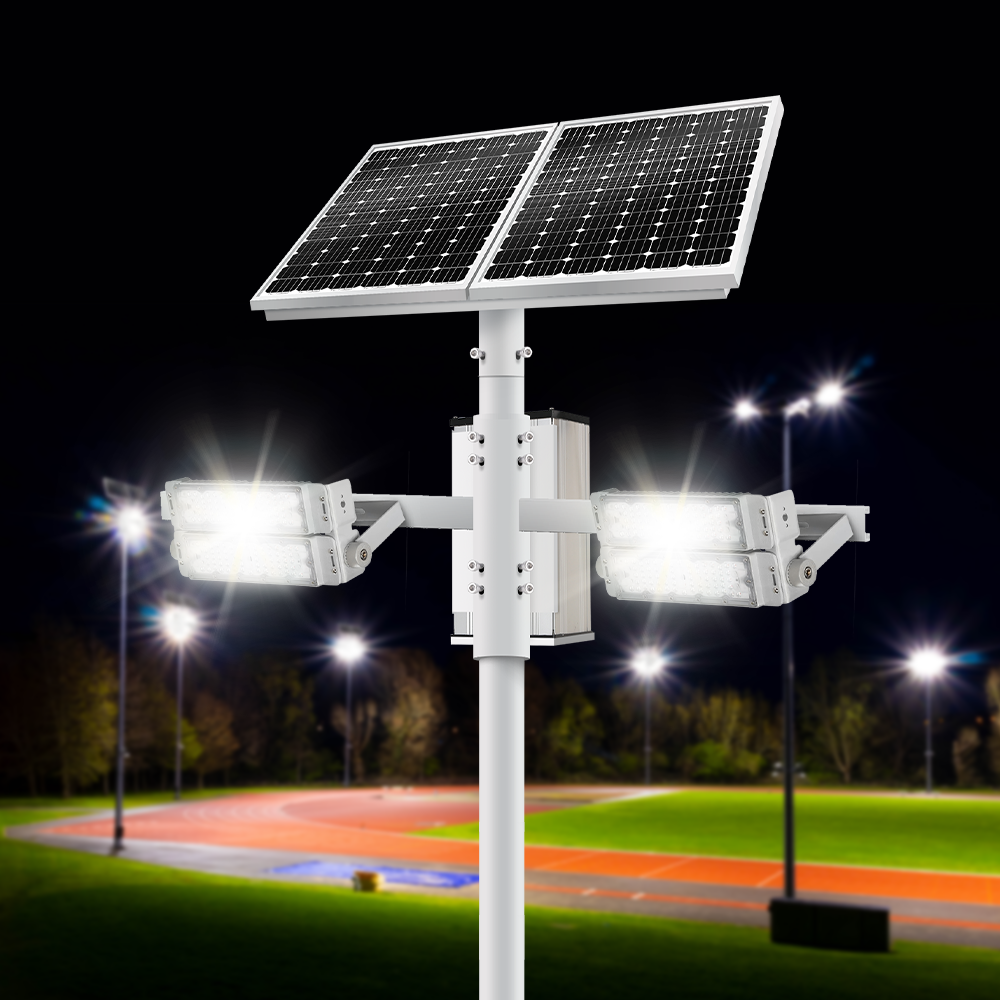
Real-World Applications: Lighting Sports Facilities with Solar Technology

Enhancing Football Fields with Solar Solutions
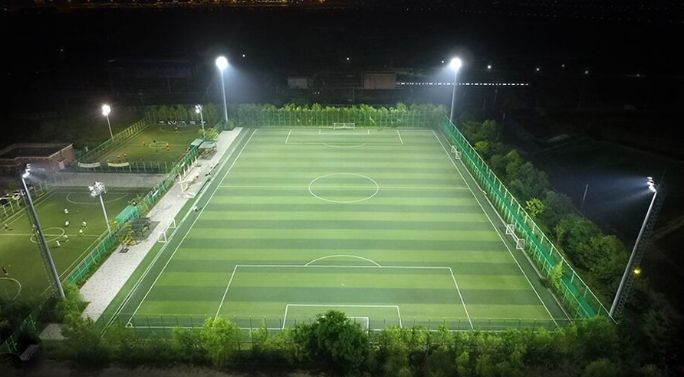
Football fields, with their expansive play areas and high spectator attendance, require lighting systems that can deliver uniform and intense brightness. The use of solar flood lights in these settings is gaining traction due to their ability to illuminate large areas efficiently.
In a recent project at a mid-sized football stadium, solar flood lights were installed to replace outdated lighting systems. The project involved:
-
System Design: Engineers carefully planned the layout to ensure even light distribution across the entire field.
-
Installation: Solar panels were strategically placed to maximize sun exposure, and flood lights were mounted at optimal heights.
-
Performance Monitoring: A smart control system allowed for real-time adjustments, ensuring the lights performed consistently throughout the night.
The result was a stadium that not only met international lighting standards for sports events but also achieved significant energy savings. The project underscored how renewable energy solutions could support the rigorous demands of professional sports while aligning with sustainability goals.
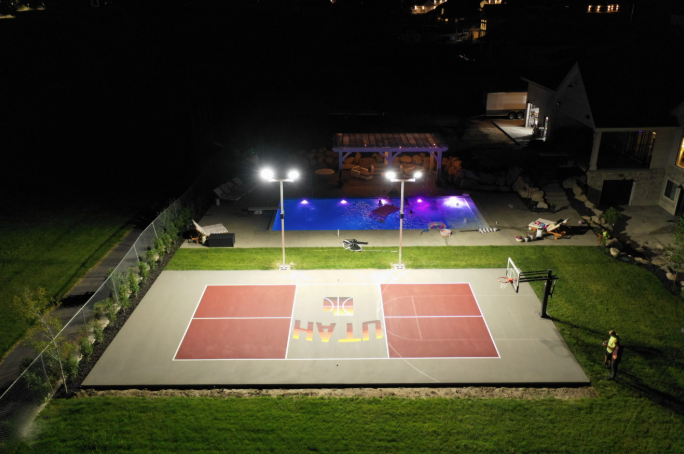
Creating Brighter Basketball Courts
Basketball courts, whether indoors or outdoors, demand precise and consistent lighting to ensure player safety and spectator enjoyment. Solar flood lights provide a flexible solution that can be adapted to various court sizes and configurations.
Case Study: Revitalizing an Urban Basketball Court
An urban community project aimed to rejuvenate an aging basketball court with a new lighting system. The project focused on:
-
Design Considerations: Ensuring the lights provided even coverage to eliminate shadows and glare that could affect gameplay.
-
Energy Management: Integrating battery storage with high-efficiency solar panels to guarantee uninterrupted lighting even during cloudy days.
-
Community Impact: The project not only improved the court’s functionality but also fostered community engagement by providing a well-lit, safe space for recreational activities.
This case study illustrates the versatility of solar flood lights and their ability to transform local sports facilities into hubs of activity and community pride.
Multi-Sport Complexes: A Comprehensive Approach
In larger multi-sport complexes, the demand for adaptable lighting solutions is even more pronounced. These facilities often host a variety of sports and community events, requiring a system that can cater to diverse needs. Solar flood lights are particularly well-suited for these environments due to their scalability and ease of integration with existing infrastructure.
Project Overview: Integrated Lighting for a Multi-Sport Complex
A comprehensive project at a multi-sport complex incorporated solar flood lights to illuminate several sports venues, including football fields, basketball courts, and auxiliary activity areas. Key elements of the project included:
-
Centralized Control: A unified management system allowed facility managers to adjust lighting levels across multiple venues simultaneously.
-
Versatility: Customizable settings ensured that each area received the optimal amount of light based on its specific use case.
-
Sustainability: The complex achieved a significant reduction in its overall energy consumption, reinforcing its commitment to environmental stewardship.
The success of this project demonstrated that solar flood lights are not only applicable to single-purpose facilities but can also serve as a cornerstone for broader urban development and recreational initiatives.
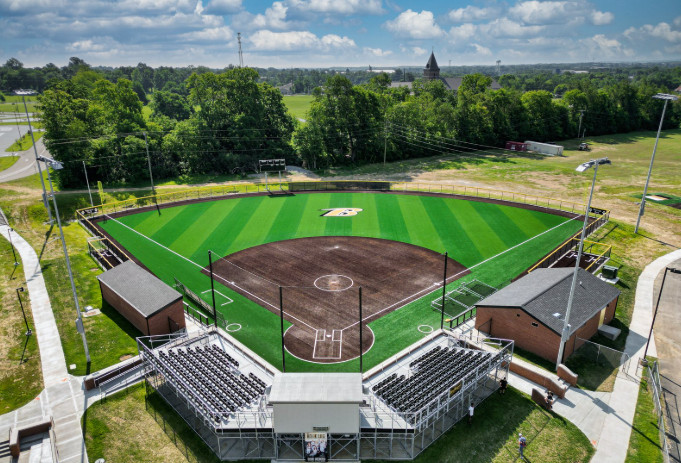
The Advantages of Solar Flood Lights in Sports
Superior Brightness and Reliability
The demand for high brightness in sports environments is non-negotiable. Whether illuminating a football field during a high-stakes match or a basketball court for community events, the quality of lighting can significantly impact performance and safety. Modern solar flood lights incorporate advanced LED technology to ensure that sports areas are lit to the highest standards. This guarantees that every corner of a facility receives clear, consistent illumination, reducing the risk of accidents and enhancing the overall experience for athletes and spectators alike.
Durability in Challenging Environments
Sports facilities are often exposed to harsh weather conditions, heavy usage, and potential vandalism. The durability of a lighting system is, therefore, a critical factor in its long-term success. Solar flood lights are engineered with robust materials and protective housings that shield internal components from moisture, dust, and impact. Their design ensures that they continue to perform even in extreme temperatures, making them an ideal choice for outdoor sports venues.
Additionally, many of these systems are built with anti-corrosion coatings and reinforced mounting hardware, further enhancing their ability to withstand the rigors of outdoor use. The durability of these systems not only minimizes maintenance costs but also ensures that facilities remain operational and safe throughout the year.
Energy Efficiency and Environmental Benefits
The energy efficiency of solar flood lights is one of their most compelling advantages. By converting sunlight into electricity, these systems eliminate the need for conventional power sources, resulting in significant cost savings over time. The reduced reliance on grid power also translates into lower carbon emissions, supporting broader environmental objectives.
Facility managers benefit from the reduced operational costs and the peace of mind that comes with using renewable energy. The long-term financial benefits, combined with the positive environmental impact, make solar flood lights an attractive option for sports facilities seeking to align with modern sustainability practices.
Ease of Installation and Maintenance
Unlike traditional lighting systems that require extensive wiring and infrastructure modifications, solar flood lights offer a plug-and-play solution. Their modular design allows for quick and straightforward installation, reducing downtime and project costs. Moreover, the integration of smart monitoring systems means that maintenance issues can be identified and addressed proactively, minimizing the need for routine manual checks.
The simplicity of installation and maintenance not only benefits facility managers but also allows for rapid scalability. Whether retrofitting an existing sports facility or developing a new venue, solar flood lights provide the flexibility and efficiency required to meet modern demands.
Selecting the Right Solar Flood Lighting System
Key Considerations for Sports Facilities
When choosing a solar flood lighting system, sports facility managers must consider several factors to ensure that the solution meets their specific needs:
-
Light Distribution: Ensure that the system provides even illumination across the entire play area, eliminating dark spots and minimizing glare.
-
Brightness Levels: Choose a system that delivers the required brightness for the specific sport. Different sports may have unique requirements for light intensity and uniformity.
-
Battery and Panel Efficiency: High-efficiency solar panels and robust battery storage systems are crucial to ensure consistent performance, especially during periods of low sunlight.
-
Durability and Weather Resistance: The lighting system should be built to withstand the local climate conditions, including exposure to rain, wind, and temperature fluctuations.
-
Smart Features: Advanced systems that offer remote monitoring, automatic adjustments, and diagnostic capabilities can significantly enhance operational efficiency and reduce maintenance costs.
Customizing Solutions for Specific Sports
Different sports require tailored lighting solutions to meet their unique demands. For instance, a well-designed system for a football field must provide broad, uniform coverage to ensure that players and spectators enjoy clear visibility at all times. In contrast, a basketball court may require more focused lighting to eliminate shadows and ensure even brightness across a smaller, more confined area.
Customizable solutions allow facility managers to adjust settings based on the specific sport, time of day, and event requirements. This flexibility ensures that the lighting system can adapt to various scenarios, from routine training sessions to high-profile competitions, without compromising performance or safety.
Integrating with Broader Facility Management Systems
Modern sports facilities are increasingly adopting smart technologies to streamline operations. Solar flood lighting systems that can integrate with facility management platforms provide an added layer of control and efficiency. These systems allow for centralized monitoring and adjustment, enabling managers to optimize energy use, schedule maintenance, and even adjust lighting levels dynamically based on real-time conditions.
By incorporating these systems into a broader smart facility framework, sports venues can not only enhance their operational efficiency but also create a more engaging and safe environment for athletes and spectators alike.
The Future of Solar Lighting in Sports Facilities
Emerging Trends and Technological Advancements
The evolution of solar flood lighting technology is far from over. Ongoing research and development continue to push the boundaries of what is possible in terms of energy efficiency, brightness, and smart integration. Some emerging trends include:
-
Enhanced Battery Technologies: Next-generation batteries promise longer lifespans and improved energy storage, ensuring that sports facilities remain illuminated even during extended periods of low sunlight.
-
Improved Solar Panel Efficiency: Innovations in photovoltaic materials are driving improvements in energy conversion rates, making solar flood lights even more effective in capturing sunlight.
-
Integration with IoT: The incorporation of Internet of Things (IoT) technology is enabling more sophisticated monitoring, diagnostics, and control systems. This integration will facilitate predictive maintenance and real-time performance optimization.
-
Adaptive Lighting Systems: Future systems will offer greater flexibility by automatically adjusting to varying weather conditions, event schedules, and even the number of active users in a facility.
The Role of Smart Cities in Driving Adoption
As urban centers evolve into smart cities, the adoption of renewable energy solutions like solar flood lights will become even more critical. Smart cities prioritize efficiency, sustainability, and connectivity—three pillars that align perfectly with the benefits offered by solar lighting systems. By integrating these systems into the broader urban infrastructure, city planners can create environments that are not only technologically advanced but also environmentally responsible and economically sustainable.
The proliferation of smart city initiatives worldwide is likely to accelerate the deployment of solar flood lights in sports facilities, as well as in other public spaces. The ability to integrate with centralized control systems and communicate with other smart devices will drive further innovation and adoption across various sectors.
Strategic Recommendations for Adopting Solar Flood Lights in Sports Facilities
Conducting a Comprehensive Needs Assessment
Before investing in a solar flood lighting system, sports facility managers should conduct a thorough needs assessment. This involves evaluating the current lighting infrastructure, understanding the specific requirements of the facility, and identifying areas where energy efficiency and performance can be improved. Key considerations include:
-
Current Energy Consumption: Analyze existing energy usage to establish a baseline for potential savings.
-
Lighting Uniformity: Assess the distribution of light on the field or court to identify any dark spots or areas with excessive glare.
-
Maintenance History: Review past maintenance records to understand the durability challenges of current systems.
-
User Feedback: Collect insights from athletes, spectators, and staff regarding lighting quality and visibility issues.
A detailed needs assessment forms the foundation for selecting a system that is both effective and sustainable.
Planning for Scalability and Future Growth
When selecting a solar flood lighting solution, it is crucial to plan for future scalability. Sports facilities, particularly multi-purpose complexes, may require additional lighting capacity as usage increases. Choosing systems that can be easily expanded or integrated with additional panels and smart control modules ensures that the investment remains relevant over time.
Evaluating Cost-Benefit and Return on Investment
One of the most compelling arguments for solar flood lights is their long-term cost savings. Facility managers should evaluate the initial investment against projected energy savings, reduced maintenance costs, and potential revenue increases from hosting better-lit events. A clear cost-benefit analysis can demonstrate the return on investment and justify the transition to renewable energy solutions.
Collaborating with Industry Experts
Engaging with reputable manufacturers and industry experts can provide valuable insights into the latest technologies and best practices. Collaborations can also ensure that the selected system meets all relevant safety and performance standards. Industry experts can assist in:
-
System Design: Optimizing the layout and configuration for maximum efficiency.
-
Installation: Ensuring that the installation process is seamless and minimally disruptive.
-
Ongoing Support: Providing training, maintenance support, and system upgrades as needed.
Conclusion: A Brighter, Greener Future for Sports Facilities
The transformation of sports facilities through advanced solar flood lighting represents a pivotal moment in the integration of renewable energy and modern technology. By leveraging the power of the sun, facility managers can achieve a level of brightness and reliability that meets the demands of high-performance sports environments—all while reducing energy costs and minimizing environmental impact.
From expansive football fields to intimate basketball courts, solar flood lights are proving to be a versatile and indispensable asset. Their ability to deliver consistent, high-quality illumination, coupled with ease of installation and low maintenance requirements, makes them a smart investment for sports facilities looking to enhance performance and sustainability.
As urban centers continue to evolve into smart cities, the role of renewable energy solutions like solar flood lights will only grow in importance. By embracing these innovative systems, sports facilities not only improve the safety and experience for athletes and spectators but also contribute to a broader movement towards environmental responsibility and energy efficiency.
For sports facility managers, urban planners, and community leaders, the path forward is clear: invest in solar flood lighting technology and join the global shift towards greener, smarter, and more sustainable public spaces. With strategic planning, robust technology, and the support of industry experts, the future of sports lighting is bright—both literally and figuratively.
By adopting these advanced solutions, sports facilities can illuminate their fields and courts with energy-efficient, high-performance lighting that stands the test of time. The journey to a more sustainable future begins with a single light, and each solar flood light installed represents a step toward a better, greener tomorrow.
This comprehensive guide highlights the transformative impact of solar flood lighting on sports facilities. Through detailed case studies, technological insights, and strategic recommendations, it aims to empower facility managers and urban planners to make informed decisions that drive energy efficiency, cost savings, and enhanced safety.
Embrace the future of sports lighting with innovative solar flood lights that deliver superior brightness, robust durability, and unmatched energy efficiency. Let your facility shine as a beacon of modern technology and sustainability, setting a new standard for excellence in the world of sports and public infrastructure.
By investing in state-of-the-art solar flood lighting systems, sports facilities can not only meet the current demands of high-performance sports events but also pave the way for a future where energy efficiency and environmental responsibility are at the forefront of urban development. As we continue to explore and innovate in the realm of renewable energy, the possibilities for transforming public spaces are endless.
The journey towards a brighter, greener future starts with embracing renewable solutions that are designed for performance and longevity. With strategic planning, expert guidance, and a commitment to sustainability, sports facilities around the world can benefit from the unparalleled advantages of solar flood lighting.
Let this be a call to action for decision-makers and facility managers alike: the time to invest in advanced, renewable lighting solutions is now. By harnessing the power of the sun and integrating cutting-edge technology into sports facilities, you are not only enhancing the quality of play and spectator experience but also contributing to a sustainable future for generations to come.
Final Thoughts
Solar flood lights are not just a trend—they are a transformative solution that is reshaping the landscape of sports facilities. With their proven benefits in energy efficiency, durability, and superior performance, these lighting systems are poised to become the standard for modern sports infrastructure.
The insights and case studies presented in this article provide a clear roadmap for successfully integrating solar flood lighting into sports facilities. By focusing on strategic planning, tailored solutions, and ongoing innovation, sports facilities can harness the full potential of renewable energy to create brighter, safer, and more sustainable environments.
Embrace the future of sports lighting with the innovative power of solar energy. The technology is here, the benefits are clear, and the opportunities are vast. Now is the time to take the next step and transform your facility into a model of modern, sustainable sports infrastructure.
 Smart Street Light Deployment for Transportation Infrastructure in Indonesia
  What Is a NEMA Controller?
  Best Solar Street Light Manufacturer? Start With These Questions
  Full-Scope Solar Street Lighting Packages & Custom Solutions for Municipalities & Developers
  Cloud-Synergy Smart Street Light Surveillance System for Smart City Development
  How Do Solar Lights Work?
  Clarification about Solar Wind Turbine Street Light: Preferred Choice for Remote Area Lighting & Wind Power System
  The Most Intelligible Instruction about Intelligent Solar Street Light & Engineering Project Showcase
  Integrated solar street lights promote urban lighting progress
  What is the Life Expectancy of the Solar Panel, LED Fixture, and LiFePO4 Batteries?
  Feasibility of LED Photovoltaic Lighting System in Municipal Construction
  Roadway Lighting Solutions | JH Series for Municipal Projects
  How to Design & Realize LoRa-MESH IoT Solar Street Light City Project?
  How to Design the Perfect Well-Considered Smart Light Pole City Road Lighting Solution?
  Design and Application of All-in-One Solar Street Light with MPPT Charge Controller
  The Ultimate Guide to City Street Light Poles and Smart LED Lighting
  Understanding the Differences Between All-in-One, All-in-Two, and Split Solar LED Street Lights
  Applications and Fundamentals of Lithium Batteries in Solar Street Lights
  Smart Pole Accessory Modules for Middle East Smart Cities
  Hybrid Solar Street Lighting: Renewable Energy Pros and Cons of Solar, Wind, and the Future