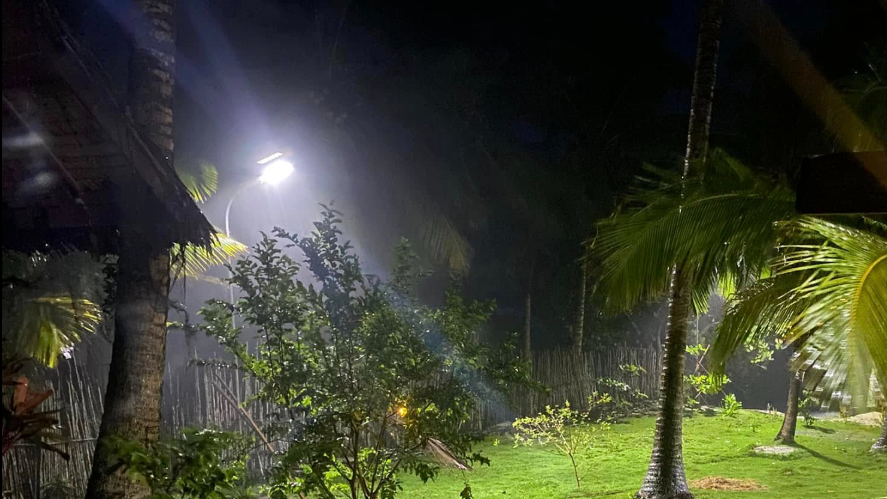
500 Pcs BS-TE Series LED Smart Street Lamp Project was a Massive Success!
author: Aurora
2025-01-16






BS-TE series smart LED street lamp project
This city is one of the fastest-growing urban centers, known for its forward-thinking approach toward convenient city lives and smart city solutions. The city government recognized the need to upgrade its street lighting system to enhance urban safety and be dedicated to developing a state-of-the-art smart city with intelligent new street lamps. Our team at Gebosun® was brought in to provide a solution—a comprehensive LED smart street lamp solution. The goal was clear: provide efficient, energy-saving via street lamp light sensor, and intelligent street lighting across the city. They choose the 4G/LTE solutions instead, wanna know more solutions for your city? Contact us right now!


Preliminary preparation and design of the LED smart street lamp layout and functionality
We kicked off the project by conducting a thorough assessment of the city’s existing infrastructure. The city was dealing with outdated, inefficient street lighting that consumed a lot of energy and lacked any ability to adapt to real-time conditions. Our team worked closely with the local authorities to understand their specific needs, from traffic patterns to energy-saving goals.
We proposed using LED smart street lights with built-in light sensors for street lamps, and IoT connectivity. This would allow the lights to dim or brighten automatically based on traffic flow and environmental conditions. The city would benefit from significant energy savings and less workforce expenditure for controlling the system while ensuring public safety.
Designing an effective LED smart street lamp layout for a city involves careful planning, consideration of various factors, and strategic deployment to ensure optimal lighting, energy efficiency, and integration with existing city infrastructure. It’s crucial to gather specific data about the city and its objectives for modern street light installation.
- City Size and Population Density: Understand the geography and density of the area to determine how many modern street lights are needed.
- Road Types and Classifications: Different roads for instance main streets, residential areas, parks, etc., may require different lighting intensities and configurations. Reasonably use and distribution of light sources for energy-saving.
- Safety Requirements: Identify areas with high traffic, pedestrian activity, or potential security concerns to prioritize lighting timing and advanced smart features for enhancing safety.
- Smart City Integration: The goal may include integrating IoT sensors, smart traffic management, environmental monitoring, and surveillance into the street lighting network.
Customization and installation preparation
After the project design was approved, our team started preparing for the installation phase. This involved customizing the LED smart street lamp, ensuring that the modern street lights would be compatible with the city's electrical and smart grid system. More info about the smart street lighting system (SSLS).
The installation process was not as simple as it may sound. We had to consider the various terrain types and traffic zones. For example, the busiest roads required higher brightness and adjustable timing function, while quieter streets needed dimmer light sensor for street light. Some areas also had existing lamps that needed to be retrofitted to accommodate our LED smart street lamps.
Overcoming challenges for making the LED smart street lamps approach idealization
While we had a solid plan, the real challenges surfaced during installation. Here are the main issues we encountered:
1. Terrain and Infrastructure:
Some areas had narrow streets or were located near trees, which obstructed the LED smart street light’s visibility. We had to redesign the mounting system and use adjustable lamp poles to ensure the lights reached all the necessary lighting areas.
1. Terrain and Infrastructure:
Some areas had narrow streets or were located near trees, which obstructed the LED smart street light’s visibility. We had to redesign the mounting system and use adjustable lamp poles to ensure the lights reached all the necessary lighting areas.
2. Power Supply Issues:
Certain parts of this city had unreliable power sources. This led us to integrate solar-powered smart lights for some remote areas, ensuring a consistent and sustainable energy supply without needing additional infrastructure. Check out the solar smart street light solutions here.
Certain parts of this city had unreliable power sources. This led us to integrate solar-powered smart lights for some remote areas, ensuring a consistent and sustainable energy supply without needing additional infrastructure. Check out the solar smart street light solutions here.
3. Weather Conditions:
The region experienced high humidity and occasional heavy rains, which meant the lights needed to be weather-resistant and durable. Our team ensured all units were built with IP65-rated waterproofing, guaranteeing longevity in harsh conditions.
The region experienced high humidity and occasional heavy rains, which meant the lights needed to be weather-resistant and durable. Our team ensured all units were built with IP65-rated waterproofing, guaranteeing longevity in harsh conditions.

Installation and integration of the new street lamps
The actual installation of the LED smart street lamps took about six weeks, broken down into several phases. Our team worked in collaboration with the local utility companies and city planners to manage the logistics of placing lights across the city's many districts.
We started with high-traffic roads and then moved on to residential areas, ensuring each LED smart street lamp was connected to the smart street lighting system. As each new street lamp was installed, we tested the street lamp light sensor and connectivity to the central database. This step was crucial for us to ensure everything was working perfectly and could be remotely controlled to realize the smart city.

Testing and final tuning for the modern street light
After all the lamps were in place, we conducted rigorous testing. We checked carefully to ensure the quality.
● Sensor functionality: Ensuring the lights adjusted brightness based on real-time conditions.
● Connectivity: Making sure each streetlamp communicated seamlessly with the central control hub.
● Durability: Testing how well the lamps performed under various weather conditions.
During this stage, we identified a minor issue in a few lamps not responding to sensor input as quickly as they should. Our team remotely adjusted the system settings and recalibrated the sensors, which resolved the issue.
● Sensor functionality: Ensuring the lights adjusted brightness based on real-time conditions.
● Connectivity: Making sure each streetlamp communicated seamlessly with the central control hub.
● Durability: Testing how well the lamps performed under various weather conditions.
During this stage, we identified a minor issue in a few lamps not responding to sensor input as quickly as they should. Our team remotely adjusted the system settings and recalibrated the sensors, which resolved the issue.
Final walkthrough and handover
Once everything was tested and verified, we did a final walkthrough with the local government and city officials. We provided training on how to operate and monitor the smart street lighting system and make instructions on how do street lights work, including real-time reporting tools for the city’s energy usage and maintenance needs.
We also set up an automatic diagnostic system and automatic upgrade proposal, so any issues with the modern street lights would be automatically reported to the central hub for immediate resolution. The city officials were happy with the performance, especially the energy savings and convenience for city lighting management.
We also set up an automatic diagnostic system and automatic upgrade proposal, so any issues with the modern street lights would be automatically reported to the central hub for immediate resolution. The city officials were happy with the performance, especially the energy savings and convenience for city lighting management.

The LED smart street lamp project in this city was a massive success. By utilizing intelligent urban lighting technology, IoT connectivity, and solar power where needed, we were able to help the city improve both its infrastructure and sustainability. Despite a few initial challenges—like adapting to diverse terrains and ensuring a reliable power supply—our team worked collaboratively with city planners to deliver a tailored solution.
The officials there now enjoy efficient city smart street lighting, reduced operational costs, and a smarter, more sustainable environment. The residents feel safer, and the local government can track energy and traffic usage in real-time, making informed decisions for future upgrades.
Thanks to the smart street lights, this city is one step closer to becoming a leading smart city, setting the stage for more advanced urban lighting IoT solutions in the future.
This project demonstrates how LED modern street lights can transform urban infrastructure into intelligent, sustainable cities, we’re proud to be part of that journey!
The officials there now enjoy efficient city smart street lighting, reduced operational costs, and a smarter, more sustainable environment. The residents feel safer, and the local government can track energy and traffic usage in real-time, making informed decisions for future upgrades.
Thanks to the smart street lights, this city is one step closer to becoming a leading smart city, setting the stage for more advanced urban lighting IoT solutions in the future.
This project demonstrates how LED modern street lights can transform urban infrastructure into intelligent, sustainable cities, we’re proud to be part of that journey!