
NEMA Street Light Controller & Luminaire Controller: Smart Street Light Control with Cellular Controller, NEMA Socket, and NEMA Head
2025-05-28
NEMA Street Light Controller: The Definitive Guide
Modern cities demand more than simple on-off lamps. Street lighting can eat up to 40% of a city’s energy budget! Traditional photocells and timers no longer suffice. They ignore peak-traffic hours, sudden weather changes, or the need for remote monitoring. That’s why the NEMA street light controller has become a game-changer. Snap it into a 7-pin socket and instantly gain programmable schedules, remote dimming, energy usage stats, and automated fault alerts—no rewiring required.

What Is a NEMA Controller?
A NEMA controller, named after the National Electrical Manufacturers Association, is a standardized plug-in module. It replaces the old-school dusk-to-dawn photocell. Suddenly, you have full control: program schedules, adjust dimming levels, and connect to cloud dashboards.
1.1 NEMA Standards and Pinouts
-
Seven Defined Pins. The NEMA C136.41 standard lays out each pin’s role: line hot, neutral, switch leg, photocell input, 0–10 V dimming, and two communications lines.
-
Plug-and-Play Interchangeability. Any NEMA-compliant device slides right into existing streetlights. No electrician, no rewiring, installation time slashed by up to 70%.
1.2 How NEMA Controllers Differ from Photocells
|
Feature
|
Photocell
|
NEMA Controller
|
|---|---|---|
|
Day/Night Switching
|
Basic light sensor
|
Programmable schedule + sensor override
|
|
Dimming
|
None
|
Multi-step or continuous 0–10 V dimming
|
|
Remote Monitoring
|
Not available
|
Cloud dashboard or on-prem software
|
|
Energy Reporting
|
No
|
Real-time kWh, voltage, current, PF data
|
|
Fault Detection
|
Simple open/short alert
|
Detailed diagnostics, error codes, alerts
|
2. How Are Street Lights Controlled?
Streetlights no longer all switch on at dusk and off at dawn. Control methods have evolved.
2.1 Time Clocks and Photocells
-
Time Clocks. You set fixed on-/off times. Reliable, yes—but blind to seasonal shifts.
-
Photocells. They sense ambient light. Yet dust, snow, or nearby buildings can fool them into staying off—or on—when they shouldn’t.
2.2 Wireless and Networked Control
Today’s NEMA controllers often include:
-
PLC (Power Line Communication). Sends control signals over the existing power lines.
-
Cellular (4G/5G). A SIM card gives full remote access.
-
LoRa-MESH / NB-IoT. Low-power, long-range networks perfect for city-wide deployments.
2.3 Adaptive Dimming and Energy Savings
-
Motion-Triggered Boosts. Lights stay dim (20%) until someone walks or drives by—then jump to 100%.
-
Scheduled Dimming. Simple: 100% at dusk, 60% at midnight, 30% before dawn.
-
Weather-Aware Brightness. Fog, rain, or dust storms? Integrated sensors can automatically crank up the light level.


3. What Is a Street Light Controller?
A street light controller is the brain behind modern urban lighting, managing on/off switching, dimming, scheduling, and fault detection. Often, it forms part of a city’s larger IoT ecosystem.
3.1 Core Functions and Features
-
On/Off Switching. Replaces photocell logic with programmable rules.
-
Dimming Control. 0–10 V or PWM output for LEDs.
-
Power Metering. Tracks kWh, voltage, current, and power factor in real time.
-
Diagnostics. Identifies lamp failures, wiring issues, and fuse faults.
-
Communications. Supports Modbus, DALI, LoRaWAN, cellular, or Ethernet.
3.2 Integration with Smart-City Platforms
-
Open APIs. Seamless connection to SCADA, GIS, or custom dashboards.
-
Centralized Monitoring. One pane of glass for the entire network.
-
Alerts & Notifications. Email or SMS alerts for faults or maintenance triggers.
4. Benefits of NEMA Street Light Controllers
Why upgrade? Three key gains:
4.1 Enhanced Energy Efficiency
Trim energy use by up to 70%. Dimming during off-peak reduces bills. Peak-demand shaving further cuts costs.
4.2 Remote Monitoring and Maintenance
Receive real-time alerts for outages. Remote resets and diagnostics eliminate up to 60% of truck rolls.
4.3 Improved Safety and Compliance
Maintain consistent illumination per IES RP-8 and EN13201 standards. Faster fault response keeps streets—and your citizens—safe.
5. Key Specifications and Selection Criteria
Choosing the right NEMA controller means matching specs to your application.
5.1 Voltage and Current Ratings
-
100–277 VAC (single-phase) is common.
-
347–480 VAC options handle high-voltage circuits.
-
Switch capacity up to 20 A for LED drivers or HID lamps.
5.2 Dimming Curves and Protocols
-
0–10 V Analog. Simple and widely supported.
-
DALI. Digital, addressable control for each fixture.
-
PWM. Precision brightness via pulse width modulation.
5.3 Enclosure Ratings (IP & NEMA)
|
Rating
|
Protection
|
Typical Use
|
|---|---|---|
|
IP65
|
Dust-tight, water jets
|
City streets, light rain
|
|
IP66
|
Dust-tight, powerful jets
|
Coastal roads, industrial areas
|
|
NEMA 3R/4X
|
Rain, sleet, snow, corrosion
|
Harsh climates, coastal or desert
|


6. Installation Best Practices
A flawless install begins with planning.
6.1 Site Survey and Planning
-
Map pole power sources.
-
Record sunrise/sunset, traffic flows, and comms coverage.
-
Design dimming schedules around local needs.
6.2 Wiring and Mounting
-
Plug the controller into the 7-pin NEMA socket—no rewiring needed.
-
Torque the enclosure per manufacturer specs.
-
Verify all gaskets seal properly.
6.3 Programming and Commissioning
-
Upload schedules, dimming profiles, and network settings via handheld or cloud software.
-
Test on/off cycles and dimming steps.
-
Monitor initial performance through the dashboard.
7. Common Troubleshooting Tips
Even smart systems need a tune-up now and then.
7.1 Controller Won’t Switch On/Off
-
Photocell Input Check. Ensure the light sensor pin sees the correct voltage.
-
Schedule Verification. Confirm date/time. Reset the RTC if it drifted.
7.2 Dimming Acting Up
-
Circuit Inspection. Verify 0–10 V leads are wired to the LED driver.
-
Load Compatibility. Confirm the fixture supports continuous dimming.
7.3 Connectivity Issues
-
Signal Strength. For cellular models, check SIM, APN, and reception.
-
Network Config. Validate LoRa keys or Ethernet credentials.
8. Future Trends in Street Light Control
What’s next for urban lighting?
8.1 IoT & 5G Integration
Low latency. Millisecond-scale dimming adjustments. Real-time event responses.
8.2 AI-Driven Adaptive Lighting
AI predicts traffic and weather patterns, automatically fine-tuning brightness.
8.3 Hybrid Renewable Systems
Combine solar panels with NEMA controllers for truly off-grid streetlights. Slash infrastructure costs.

9. Frequently Asked Questions (FAQ)
What is a NEMA controller?
A plug-in device meeting NEMA C136.41 standards, replacing a photocell to enable advanced scheduling, dimming, and remote monitoring.
A plug-in device meeting NEMA C136.41 standards, replacing a photocell to enable advanced scheduling, dimming, and remote monitoring.
How are street lights controlled?
From simple photocells to PLC, LoRaWAN, cellular modules—modern controllers allow networked on/off and dimming control.
From simple photocells to PLC, LoRaWAN, cellular modules—modern controllers allow networked on/off and dimming control.
What is a street light controller?
The electronic module that handles on/off switching, dimming, scheduling, metering, and diagnostics—often integrated into a broader city management system.
The electronic module that handles on/off switching, dimming, scheduling, metering, and diagnostics—often integrated into a broader city management system.
10. Conclusion
Retiring outdated photocells in favor of NEMA street light controllers marks a pivotal shift toward smart, efficient, and safe urban lighting. With plug-and-play installation, robust protocols, and seamless smart-city integration, these controllers help municipalities unlock major energy savings, enhance public safety, and prepare for future IoT innovations. Ready to take your city streets to the next level? NEMA controllers hold the key.
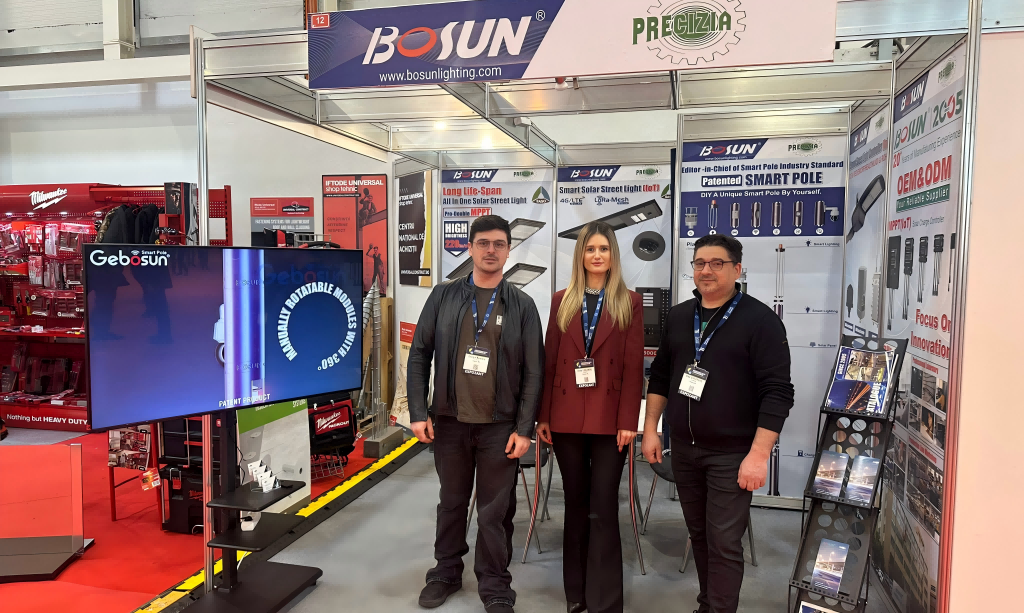 BOSUN Lighting Attends the 3rd Romania International Green Energy & Environmental Water Treatment Expo
  BOSUN Lighting Officially Joins the TALQ Consortium: A New Era of Open Smart City Connectivity
 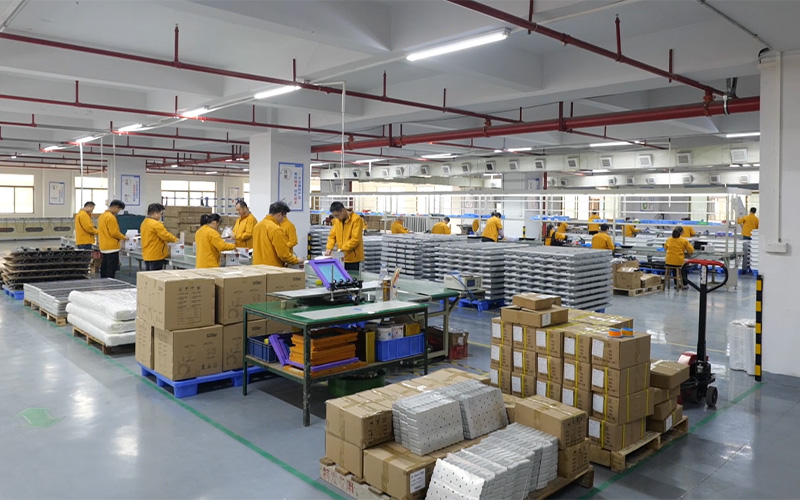 Solar Street Light Factory: How to Choose a Reliable Manufacturer for Road & Infrastructure Projects
  Why BOSUN Solar Streetlight Company is the "Engineer's Choice" for Smart City Projects
 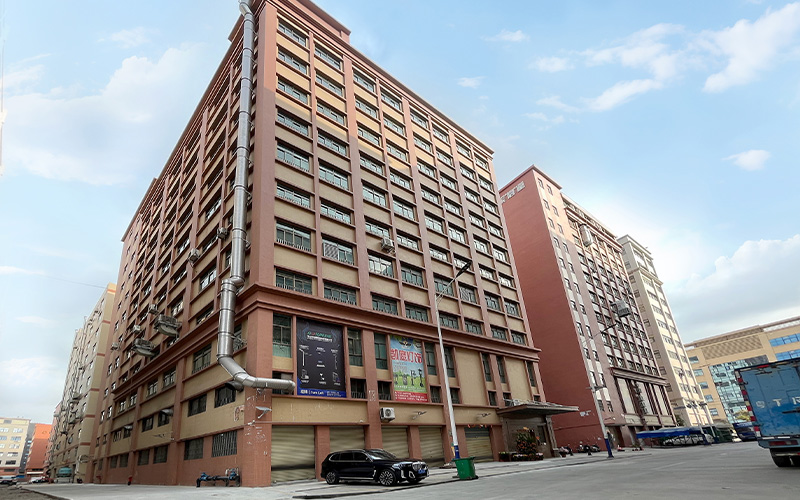 Why BOSUN Lighting Is the Leading Solar Street Light Company for Professional, Customized Lighting Solution
  Integrated Solar Street Lighting: Smart, Reliable, and Cost-Effective Solutions by BOSUN® Lighting
  2024 Guangzhou International Lighting Exhibition